The key facts
- CREA: 3,560 deaths from fires and 5,310 in total from air pollution in September 2026
- 57.8 million people breathed unhealthy or hazardous air; more than 330,000 cases of acute respiratory infections
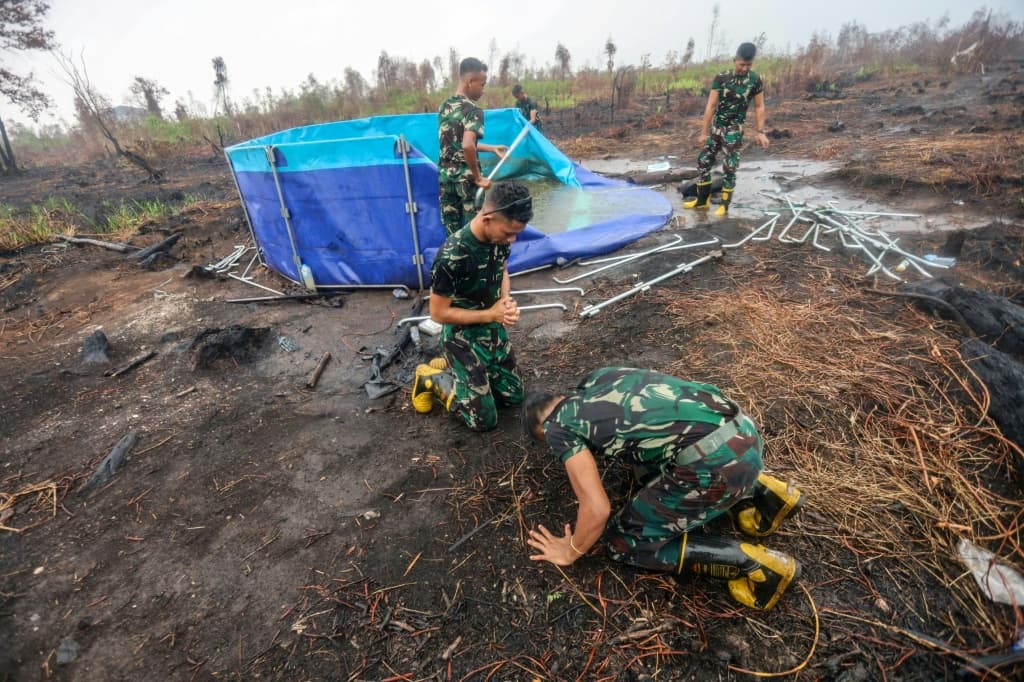
- Fires destroyed more than 1.9 million hectares in nine months; haze reached Malaysia, Singapore, the Philippines and East Timor
Death toll estimate doubled in a month
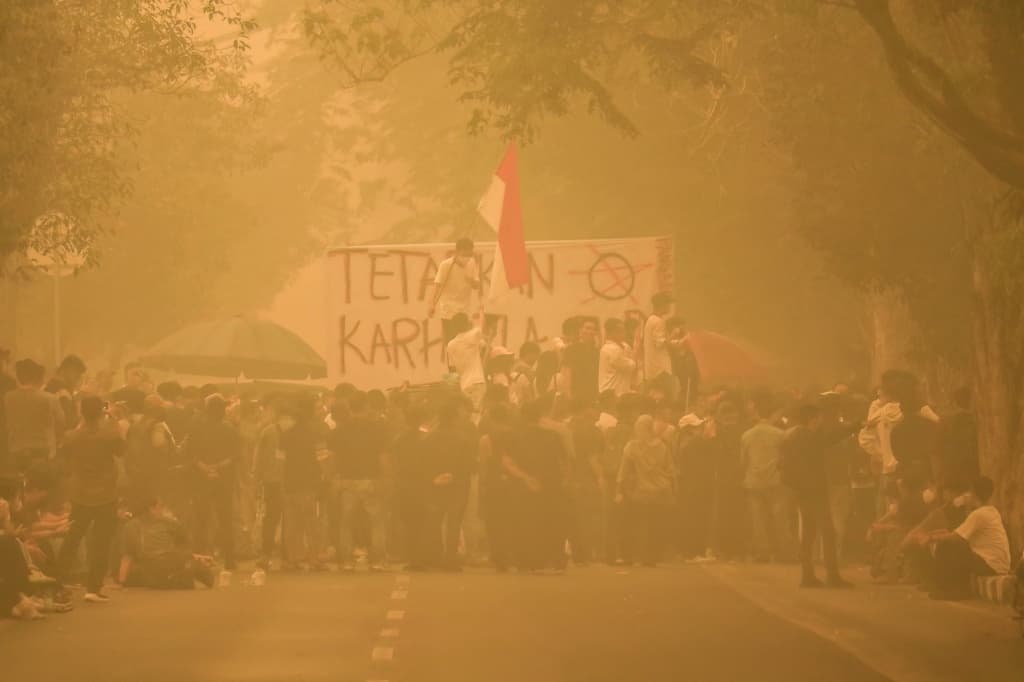
Air pollution from months of forest fires in Indonesia caused approximately 3,560 deaths in September 2026, according to a study by the Helsinki-based think tank Centre for Research on Energy and Clean Air (CREA). According to AFP, this is twice the August estimate. In the same month, about 57.8 million people in the country breathed air ranging from unhealthy to hazardous levels.
Fires and 'ordinary' pollution
The study assessed the short-term — on the scale of days — effects of exposure to fine particulate matter PM2.5, which can penetrate the lungs and bloodstream; the WHO links such exposure to an increased risk of disease and premature death. Most of the estimated deaths occurred in the Indonesian part of the island of Borneo, as well as in Java, Sumatra and the east of the country. In addition to smoke pollution, the researchers accounted for 'non-fire' sources — urban energy, industry and transport: these added another 1,750 deaths, bringing the total to 5,310 in a country with a population of about 290 million. For Java, the most populous island, home to the capital Jakarta, 73–80% of the 1,530 air pollution deaths in September were attributed specifically to non-fire sources. 'These figures underscore the stark reality: non-fire sources of air pollution are just as dangerous as smoke from burning forests and peatlands,' the report says.
Scale of the disaster and the authorities' response
In September, PM2.5 exposure levels exceeded the WHO annual threshold by more than seven times nationwide, ten times in Sumatra and 24 times in Kalimantan, the report notes. More than 330,000 cases of acute respiratory infections were recorded across the country. A drought exacerbated by El Niño was accompanied by months of firefighting: according to the deforestation monitor Nusantara Atlas, over nine months to September, fire destroyed more than 1.9 million hectares. Smoke reached Malaysia, Singapore, the Philippines and East Timor, complicating Indonesia's relations with its neighbours. Experts attribute the fires largely to the practice of land burning for clearance, often by logging, palm oil and mining companies.
Criticism and the government's position
The government has neither confirmed nor refuted the cited figures, AFP notes. On Wednesday, the authorities defended their approach, reporting that more than 72,000 people were involved in cloud seeding and firefighting operations, more than 2,100 doctors and medical workers had been activated in affected areas, and 5.3 million masks had been distributed to the population. Agus Sari, chief executive of the consulting firm Landscape Indonesia, pointed out in the report the government's 'poor preparedness' for a 'predictable and preventable' disaster, as well as budget cuts that hamper the work of the national disaster management agency BNPB. 'Indonesia must be able to prepare for what is going to happen. The fact that we are not prepared at all is purely a matter of lack of will,' he said. CREA proposes shifting from responding to fires to restoring drained peatlands, strengthening law enforcement against illegal land burning, and introducing stricter emission standards for regions with non-fire pollution, such as Java.