The key facts
- More than 11,000 people in Palangka Raya were treated for respiratory infections; the air quality index reached 4,000 — the worst reading in the city's history
- BNPB is deploying 61 airplanes and helicopters for cloud seeding and water bombing in six provinces
- 245 individuals and 20 companies have been named suspects; the fires have burned more than 1.9 million hectares in nine months
Rain and residents' reaction
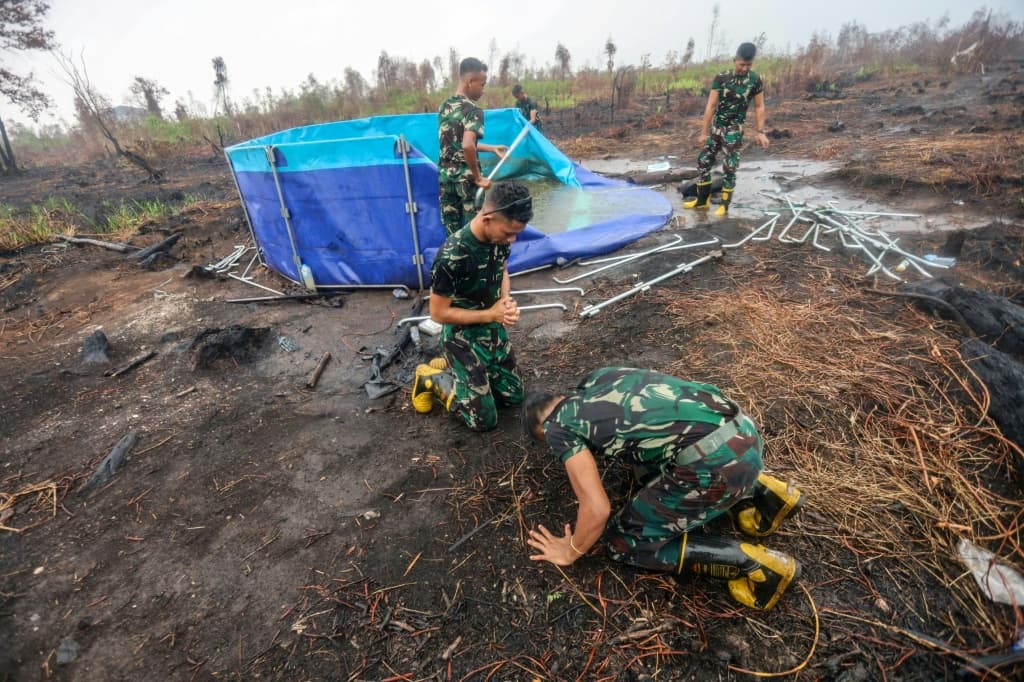
In Palangka Raya, the capital of Central Kalimantan province on the Indonesian part of Borneo, devastating forest fires have been raging since August, shrouding the city in toxic smog. This week the rains arrived, and residents joyfully took to the streets: on Wednesday evening, exhausted volunteer firefighters jumped in puddles and kissed the ground in gratitude. 'We were overjoyed; each of us volunteers was so happy that we prostrated ourselves in gratitude. Thank God, it finally rained,' said firefighter Lukman El Hakim in an AFP publication. City resident Muhammad Jihan Alwi went out for an outdoor run for the first time in several months.
Scale of the crisis and first signs of improvement
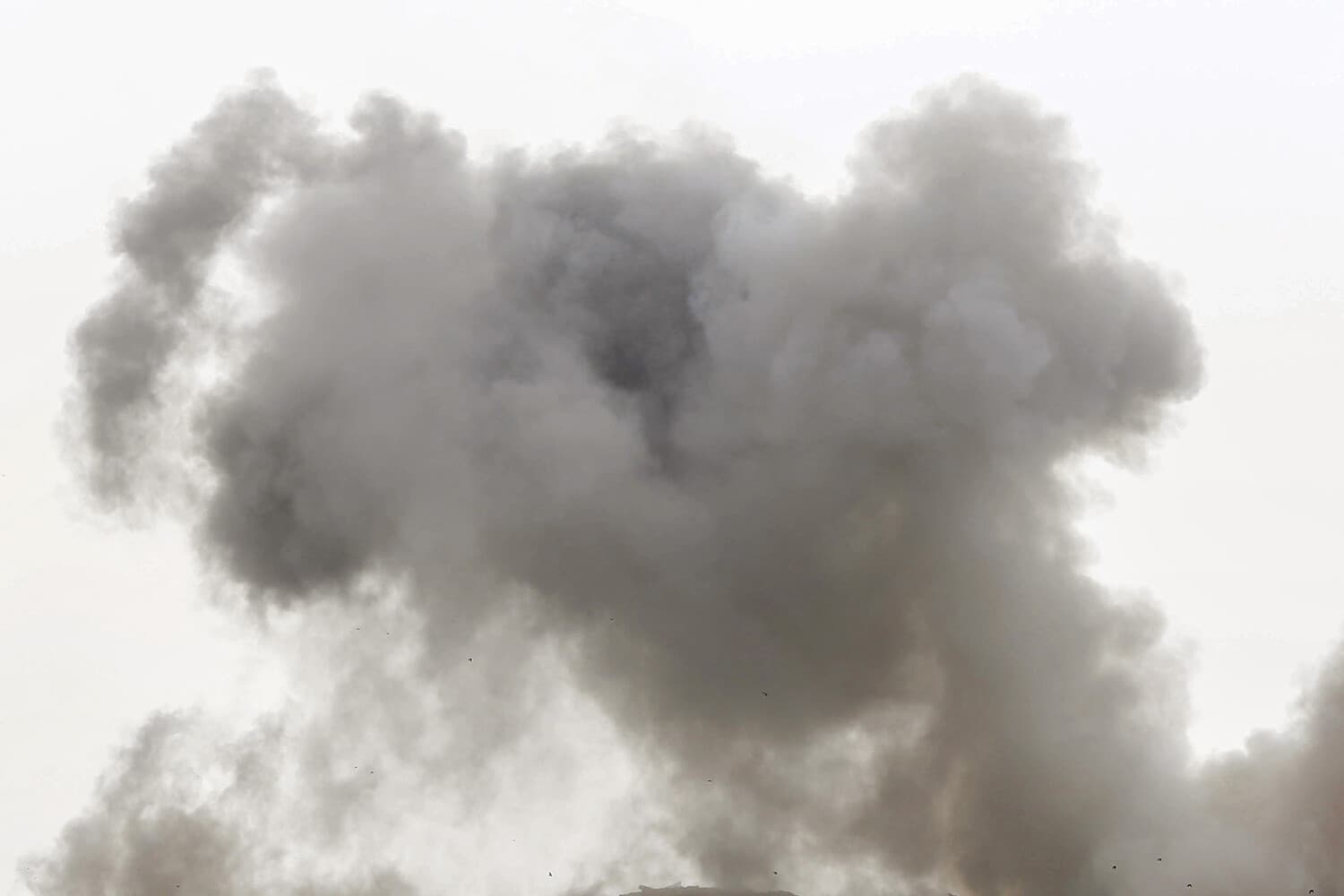
The crisis has taken a serious toll on residents' health: more than 11,000 people in Palangka Raya have been treated for respiratory infections during the months of disaster, and the smog has reached neighboring countries. This month the city's air quality index reached 4,000 — the worst reading in its history and more than 13 times above the 'hazardous' health pollution threshold under the environment ministry's standards. The WHO links exposure to air pollution, including high concentrations of fine particulate matter PM2.5, with an increased risk of disease and premature death. According to the BMKG climatology agency, with the onset of rain, PM2.5 concentrations in Palangka Raya have begun to decline: the level remains in the 'unhealthy' category but is falling compared with a week earlier, when 'very unhealthy' and 'hazardous' categories prevailed.
Fighting the fires and its limits
The rain is partly man-made: the disaster mitigation agency BNPB reported that it is deploying 61 airplanes and helicopters for cloud seeding and water bombing in six provinces. Rainfall recently occurred in Central and South Kalimantan as well as South Sumatra. BMKG spokesman Tri Handoko Seto said the short-term forecast promises rain clouds in the affected provinces, and seeding will continue in the hope that the rain will truly soak the burned peatlands below the surface. However, he warned of the need for vigilance: another dry spell is possible before the rainy season fully reaches its peak, and BMKG believes dry weather will prevail for some time yet and new fires are likely.
Victims, investigations and scale of the burning
At least 11 people have died fighting the fires; the latest victim was a 45-year-old forest ranger who died on Wednesday when a tree fell on him while extinguishing a fire in North Toraja in South Sulawesi. Police continue to pursue those responsible for the fires: according to the head of the national police's investigation directorate, Asep Safrudin, 245 individuals and 20 companies have been named suspects, facing prison terms and heavy fines. The deforestation monitor Nusantara Atlas estimates the area burned in the nine months to September at more than 1.9 million hectares. Experts attribute the fires largely to the practice of burning land to clear territory, often carried out by logging, palm oil or mining companies. The smog raised pollution levels as far as Malaysia, Singapore, the Philippines and East Timor, complicating Indonesia's relations with its neighbors.