The key facts
- Prices were revised for about 6,500 drug names, with certain medicines becoming 40–60% cheaper
- From January to August, about 670 drugs stopped being imported, but almost all had analogues; 38 were left without substitutes
- The electronic prescription system is not yet working at full capacity, and prescriptions for dietary supplements are rising
Prices were revised in several stages
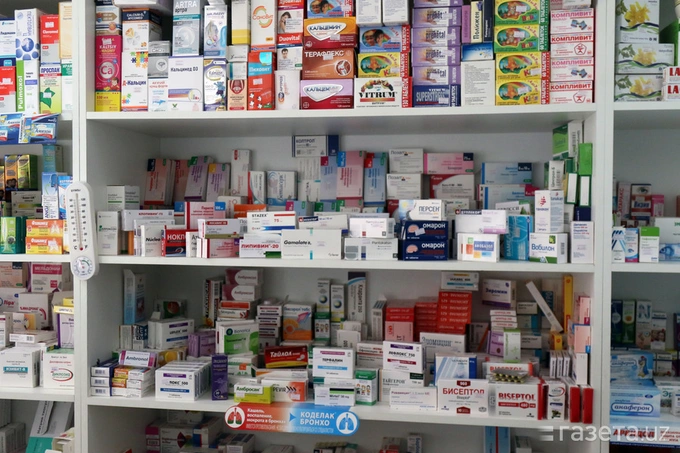
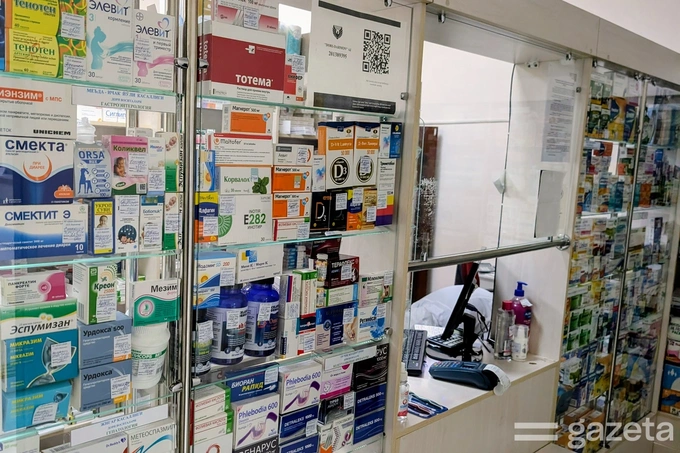
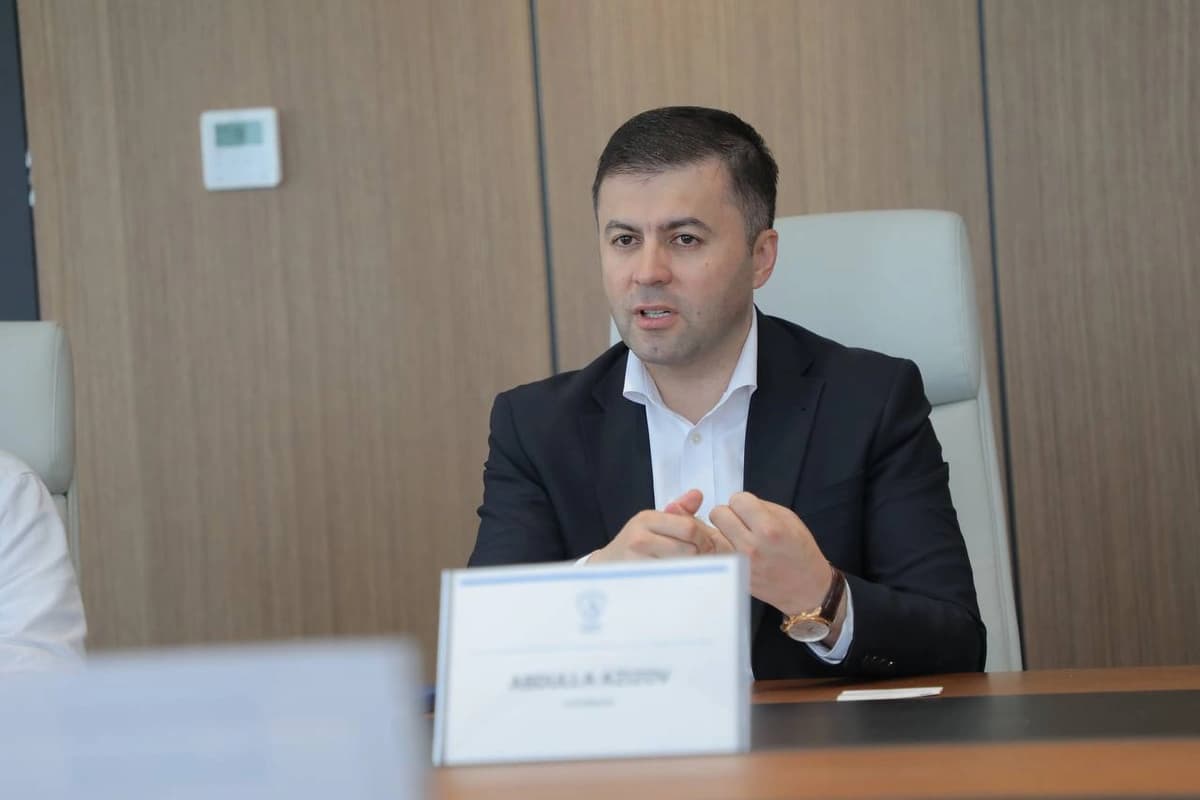
In Uzbekistan, prices have been reduced for approximately 6,500 drug names to date, with certain medicines becoming 40–60% cheaper. This was announced by Abdulla Azizov, director of the Pharmaceutical Industry Development Agency, in an interview with the media at the world summit “Investments in Children’s Well-Being” held in Samarkand, reports Gazeta.
How the regulation proceeded
According to Azizov, the work was carried out in stages following the president’s instruction to revise prices and eliminate artificially inflated markups. The price changes announced on December 1, 2025, took effect on March 1, 2026, and initially affected 2,000 drugs. After legislative amendments aimed at comparing prices with neighboring and other countries, a second wave was announced on April 1: from July 1, prices fell for another 2,000 drugs, bringing the total to 4,500. In September, inspections revealed remaining inflated prices, after which about 2,000 more names were revised.
What this means for buyers
About 8,000 drug names are imported into the country. Of these, roughly 5,000 are prescription medicines, and it is their prices that were reduced; the remaining 1,500 are mostly products of local manufacturers. Azizov emphasized that the goal is not a mechanical reduction of all prices, but the elimination of artificial markups: a one-time requirement to cut all prices, for example, by 30% could lead to some drugs disappearing from the market, as has been observed in other countries.
Risk of drugs disappearing and monitoring
There was a risk that cheaper medicines would stop being imported. According to the agency, from January to August about 670 drugs were not imported into the country, but almost all of them had analogues; only 38 names were left without a replacement. Monitoring at the end of September showed that instead of 30 previously unimported drugs, other medicines began arriving on the market. Negotiations were held with entrepreneurs to resolve their problems, which, according to Azizov, helps prevent shortages.
Polypharmacy and the shift toward dietary supplements
Azizov touched on the problem of polypharmacy — prescribing an excessive number of drugs to a patient: some prescriptions contain 10–15 names, whereas in European countries usually one or two, and if necessary three, drugs are prescribed. He cited doctors’ financial interest in promoting certain brands as one of the reasons — a practice that, according to him, spread from 2005–2006 through “agents” of pharmaceutical companies. Removing inflated margins from drug prices should reduce such incentives: according to the agency, the number of agents has noticeably decreased, some large companies dismissed them, and some moved into the dietary supplements segment.
New problems and unfinished reforms
At the same time, the agency notes a growing number of prescriptions for dietary supplements and over-the-counter medicines, whose prices are not regulated. Azizov noted that dietary supplements do not replace therapeutic drugs, and the issue cannot be solved by punishments alone — doctors need training and the population’s health literacy must be raised. The electronic prescription system, he admitted, is not yet working at full capacity: the population is not used to it, it has not been implemented in some private clinics, so in some pharmacies medicines are still sold without an electronic prescription. The system allows up to five drugs per patient, and dietary supplements cannot be added to a prescription.