The key facts
- From 1 November, the weight limit for helicopter flights to platforms is 124 kg in civilian clothes and shoes
- The number of workers over the limit has fallen from ~2,200 to fewer than 250 (OEUK)
- At one platform, according to OEUK, 60% of staff were taking weight-loss drugs; RMT criticises the rules due to lack of consultation
New weight limit comes into force
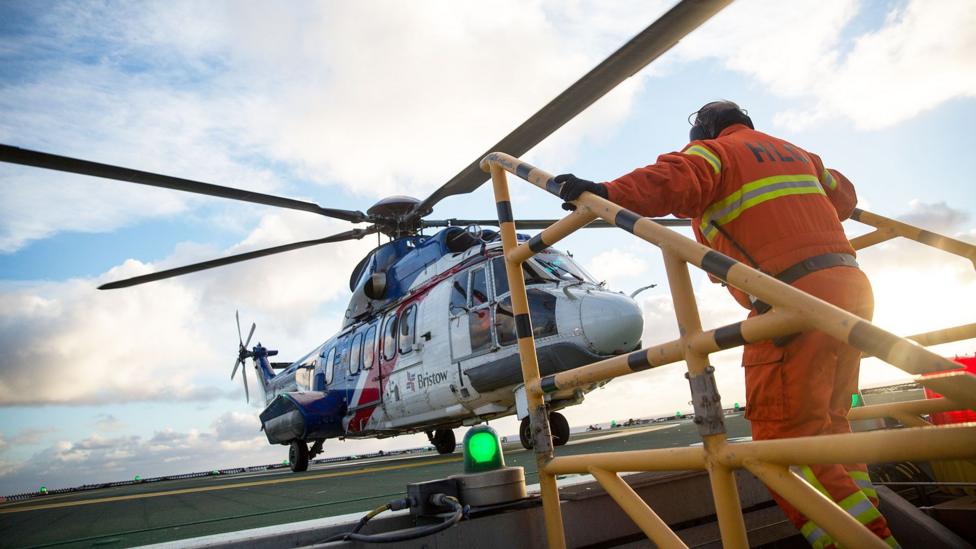
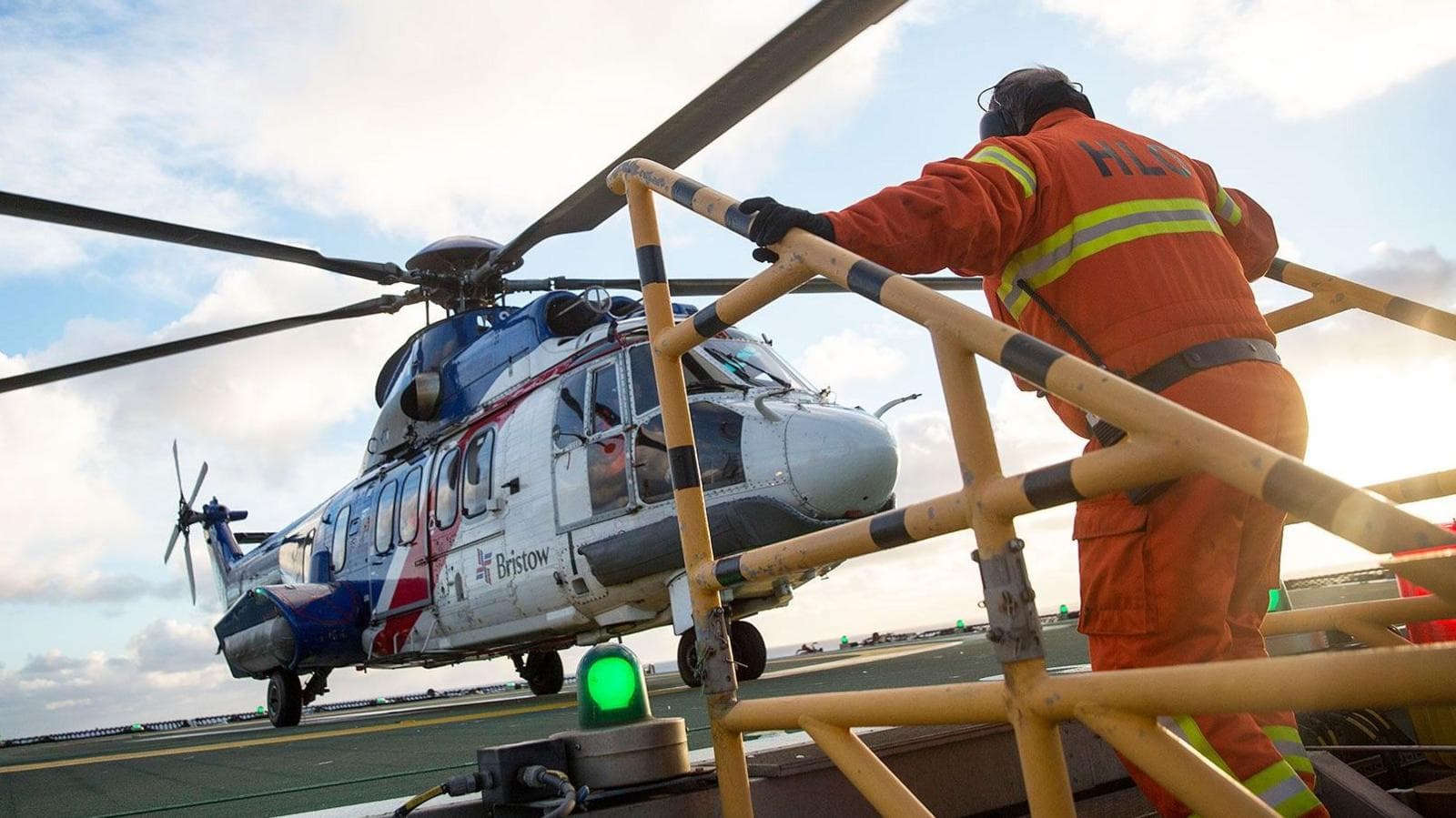
From next Sunday anyone weighing more than 19 stone 7 pounds (124 kg) in civilian clothes and shoes will not be able to fly by helicopter to an offshore platform covered by UK safety rules, BBC Scotland News reports. The restriction followed a warning from the Maritime and Coastguard Agency (MCA): rescue winches, which are critical in offshore emergencies, cannot safely lift heavier people. The final threshold was calculated taking into account the weight of the rescuer, the stretcher and other equipment added to the total weight.
Mass weight loss, including with medication
When the rules were announced last year, about 2,200 workers exceeded the limit; now, according to industry body Offshore Energies UK (OEUK), there are fewer than 250. The average weight of offshore workers has risen over recent decades, increasing by almost 10 kg since 2008. OEUK health and safety manager Graham Skinner said companies have been using gyms and healthier food, but many workers have turned to medical drugs that affect appetite and digestion: he said that last year, in some cases, 60% of workers arrived with weight-loss injections, and at one platform extra refrigeration equipment was even installed to store such drugs. He added that, apparently, staff initially bought the drugs at their own expense, although some companies may now reimburse the costs.
Union criticism and risk of dismissals
The RMT union criticised the weight limit policy, citing a lack of consultation and the risk of experienced staff being barred from offshore work. Earlier this year, one occupational health specialist in Aberdeen told BBC Scotland that some of his clients were 'very worried' about the new rules, while others had decided to leave the industry. Skinner warned that if a worker does not want to lose weight, 'there is a real possibility he will lose his job', although companies may offer onshore roles. Workers will declare that they are within the limit, and checks will be carried out at the heliport; besides the winches, Skinner cited other reasons for weight controls — working in confined spaces and the ability to exit a helicopter quickly.
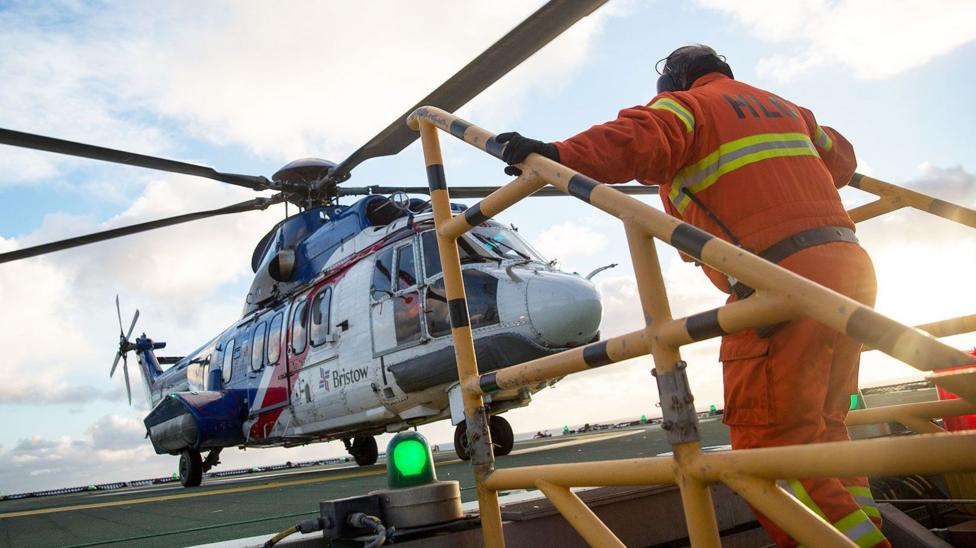 Image source, Getty Images
New weight rules for travel offshore will come into force in November
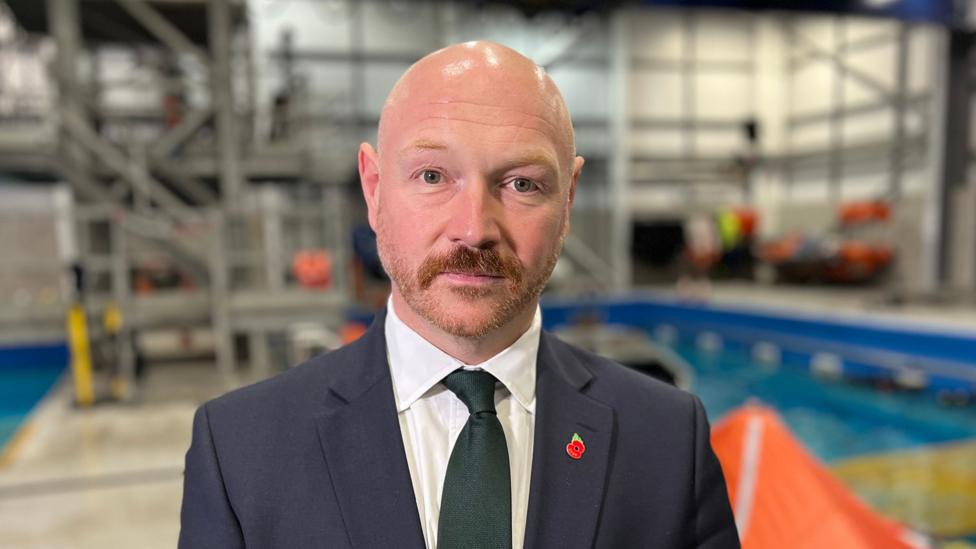
Graham Skinner said most offshore workers had managed to get their weight below the new limit