The key facts
- Sophie Price was refused food at the Grange hospital because she was formula-feeding her daughter rather than breastfeeding
- The family spent more than £1,000 on food during three weeks in hospital
- The health board apologised and described the support mechanisms available to parents
- The health board apologised and described the existing support mechanisms for parents
Refusal of meals on the paediatric ward
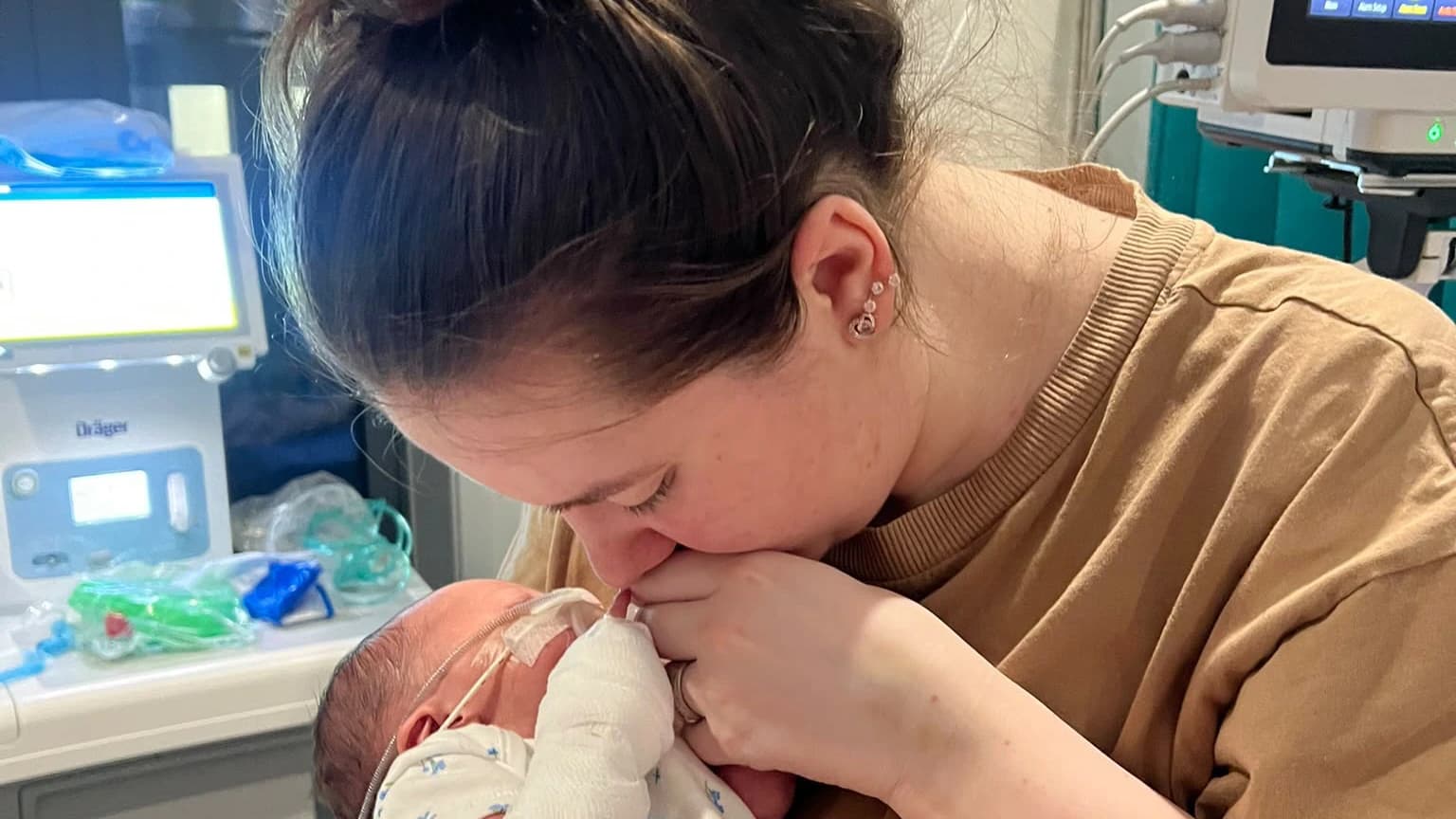
22-year-old Sophie Price from Newport, a first-time mother, told BBC Walesthat staff at the Grange University Hospital in Cwmbran (Torfaen, Wales) refused to give her a hot meal while her daughter Florence was in a critical condition on the paediatric ward. According to her, five days after giving birth in the same hospital she was told she was no longer considered a patient because she was not breastfeeding, and therefore was not entitled to free meals.
Three weeks at her daughter's bedside
Florence was hospitalised after she developed severe wheezing and stopped breathing; her mother carried her into the emergency department shouting 'she's not breathing' and thanked the medics for their quick response. Diagnoses included bronchiolitis, a rhinovirus infection and sepsis, which left the girl's lungs unable to work on their own — she was hooked up to a machine that pumped air through a mask. Her parents were told the child could be placed into a coma at any moment.
'I just needed a hot meal'
The refusal of food came when Sophie had not eaten for about 28 hours. She explained to staff that after the first day she had been unable to establish breastfeeding and her daughter was receiving formula — after which she was denied a meal. At the same time, she said, she was suffering from pain: her hip was put back after dislocating during childbirth, and her legs were so swollen from oedema that she found it hard to walk. She herself called what happened 'a terrible experience': 'I just needed a hot meal to keep going for my daughter.'
How the rules work and what the hospital said
According to BBC Wales, in the maternity service mother and baby are both considered patients and receive meals regardless of feeding method, while on paediatric wards the patient is only the child; meals are provided to breastfeeding mothers because this directly supports the infant's nutrition. Sophie also says she was told to bring formula for her daughter herself, and only after her mother contacted the hospital was formula provided again. Over three weeks, she says, the family spent more than £1,000 on the canteen and food delivery. Sophie considers the rule 'outdated' and discriminatory towards mothers who formula-feed, and is calling on hospitals to feed all mothers regardless of feeding method.
The health board's response
Aneurin Bevan University Health Board apologised for what she experienced and said it 'strives to support families throughout a child's stay'. It explained that for parents who cannot leave their child's bedside or reach the canteen, the ward can provide basic food and drinks, a subsidised meal voucher scheme operates, and in cases of financial hardship support is arranged individually with the medical team. Separately, the outlet notes that the same hospital this week rejected claims circulating online that it was 'dangerous' and 'terrible'.
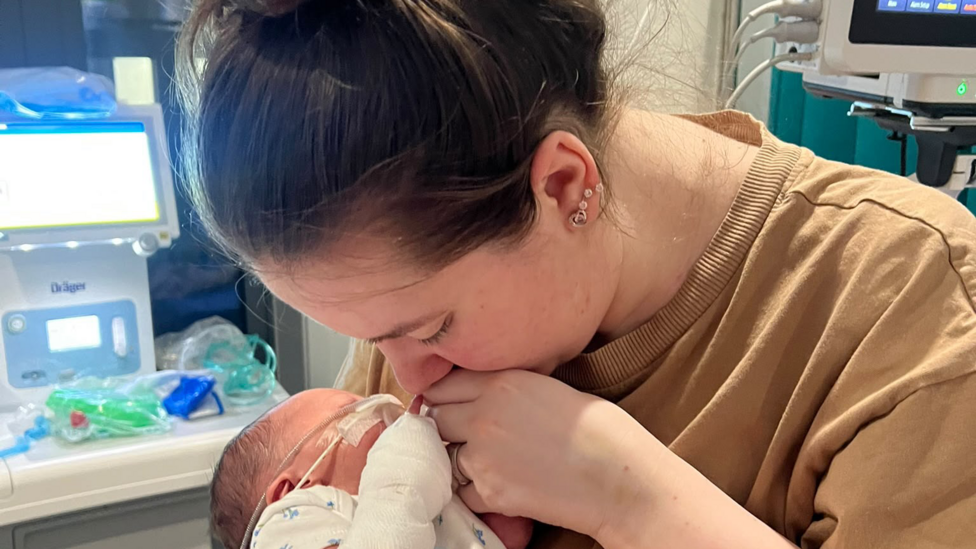 Image source, Sophie Price
“I just needed a hot meal to keep going for my daughter,” Sophie said
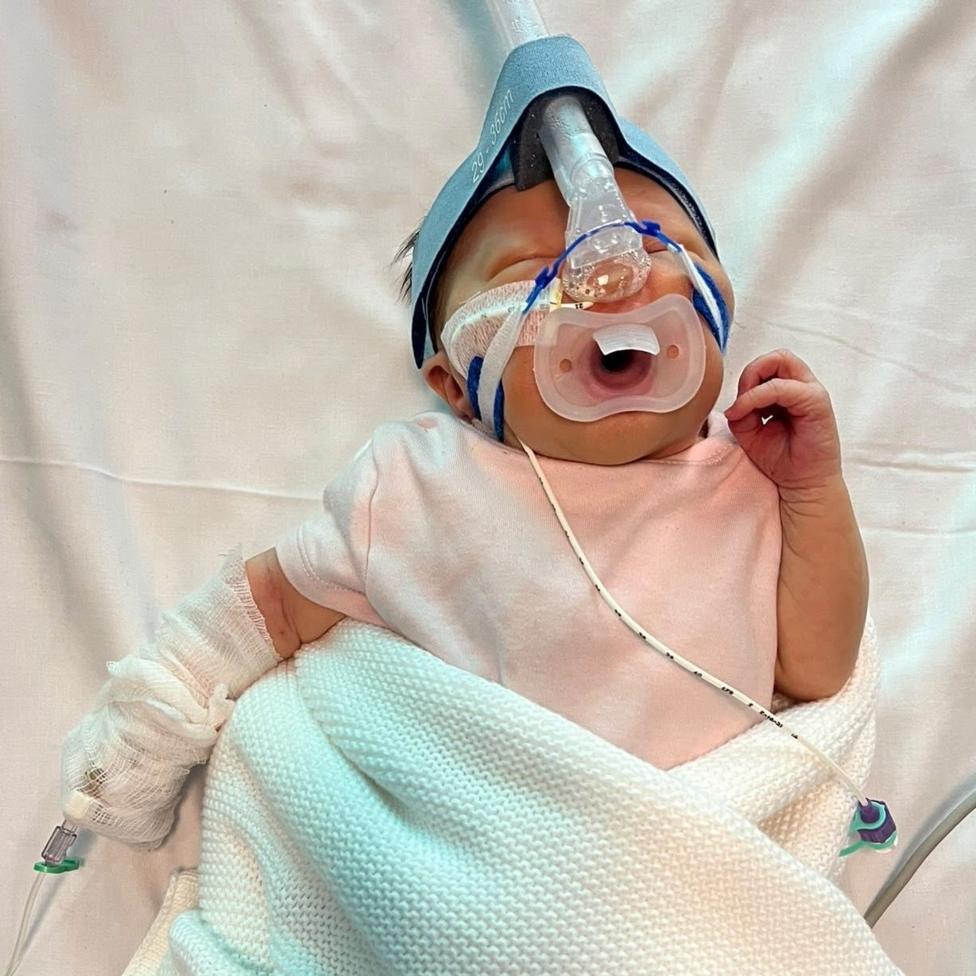 Image source, Sophie Price
Sophie said she and her husband were told Florence may “need to be induced into a coma at any point” during her treatment
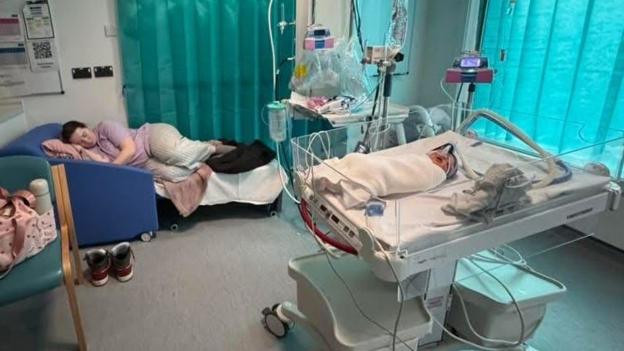 Image source, Sophie Price
The first-time parents spent three weeks in hospital with their daughter Florence
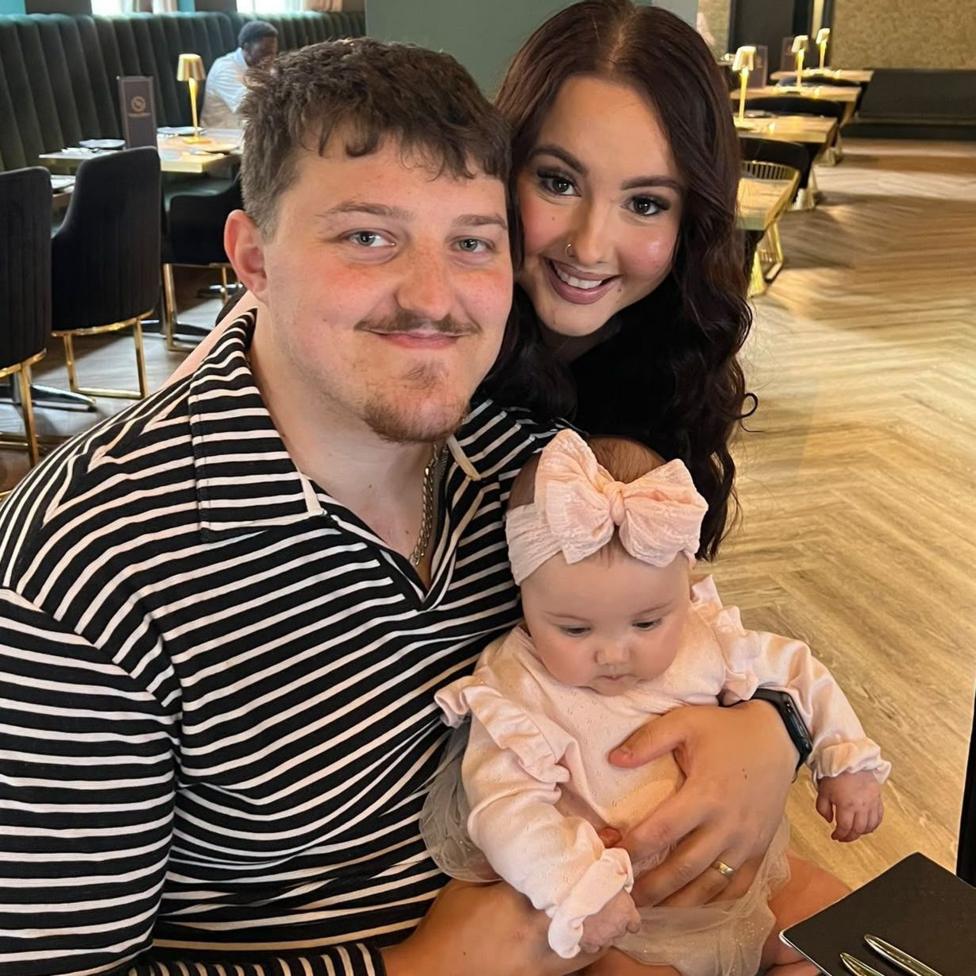 Image source, Sophie Price
Sophie and Ryli said they spent about £1,000 as they had to buy all their meals from the hospital canteen or takeaways while Florence was in hospital
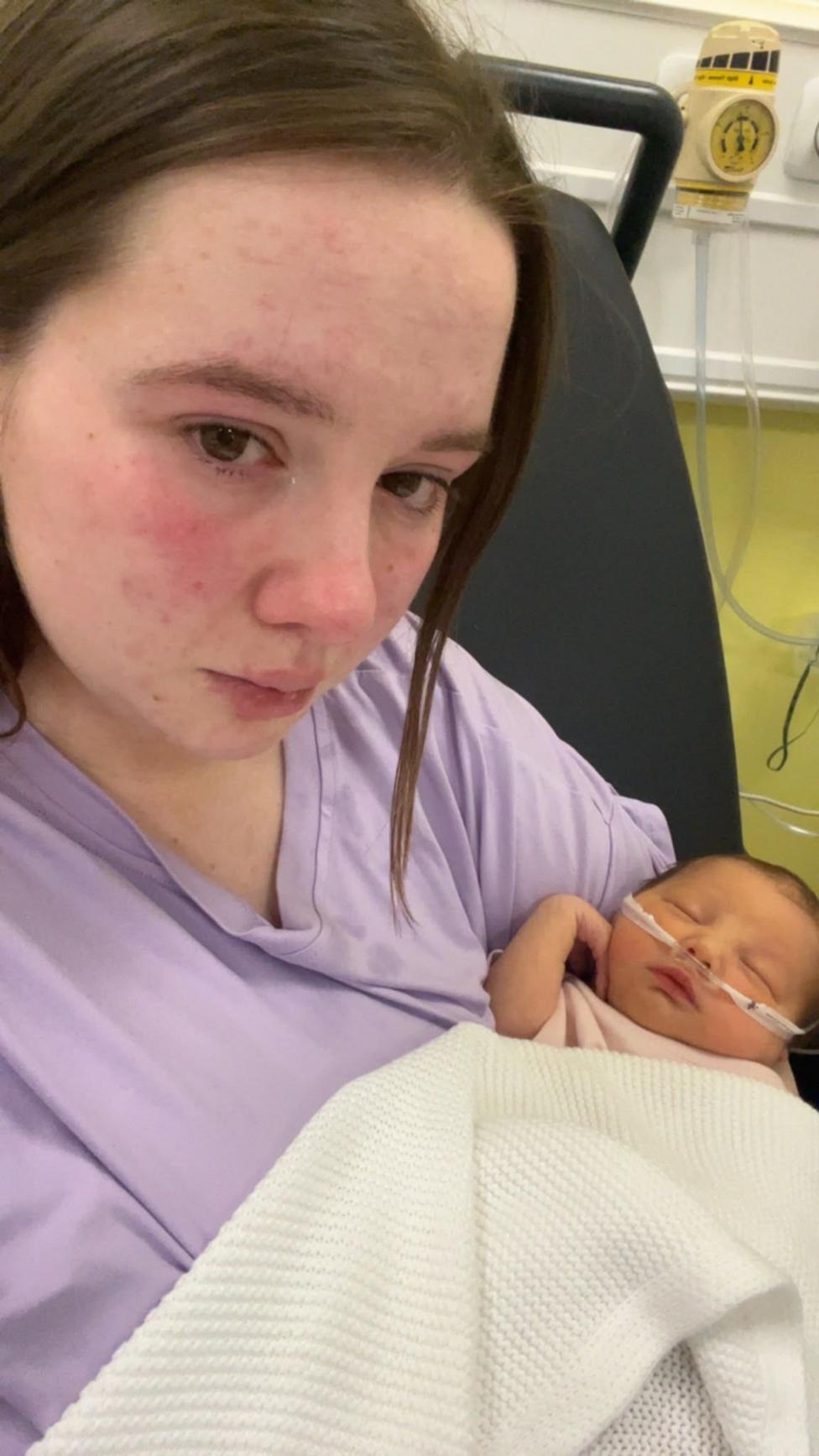 Image source, Sophie Price
Sophie had not eaten for about 28 hours when she said she was denied a hot meal by hospital staff
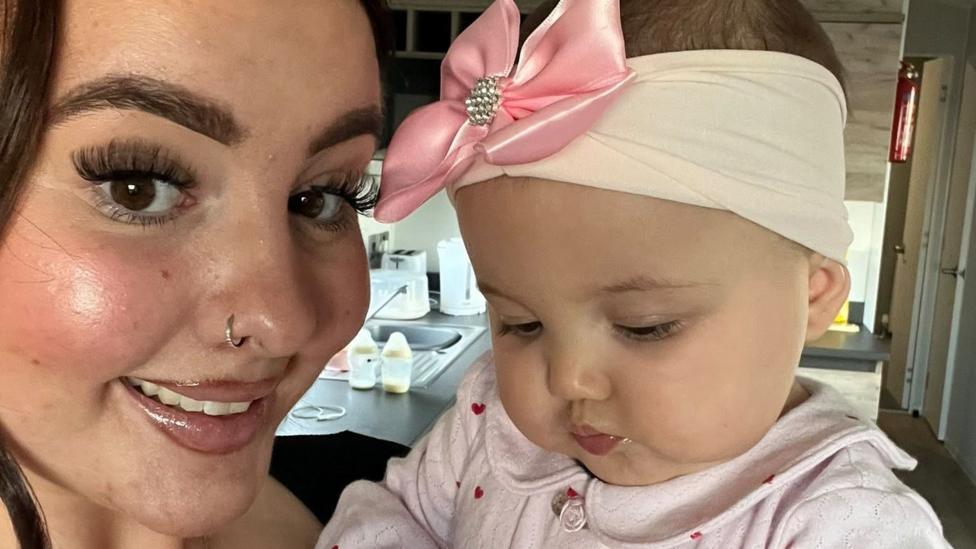 Image source, Sophie Price
Sophie is calling for hospitals to provide meals for all mums who are formula feeding their baby