The key facts
- Protests are taking place simultaneously in at least nine European countries; most participants are young people, and many of those detained are minors
- Demonstrations are organized via TikTok and Instagram; Belgium's interior minister speaks of the 'TikTokization' of protests
- Demonstrations are organised via TikTok and Instagram; Belgium's interior minister speaks of the 'TikTokisation' of protests
- France and Italy are introducing a 'break it — pay for it' principle; Meloni proposes holding parents liable for damage caused by minors
- France and Italy are introducing a 'break it — pay for it' principle; Meloni proposes parental liability for damage caused by minors
A simultaneous explosion of discontent
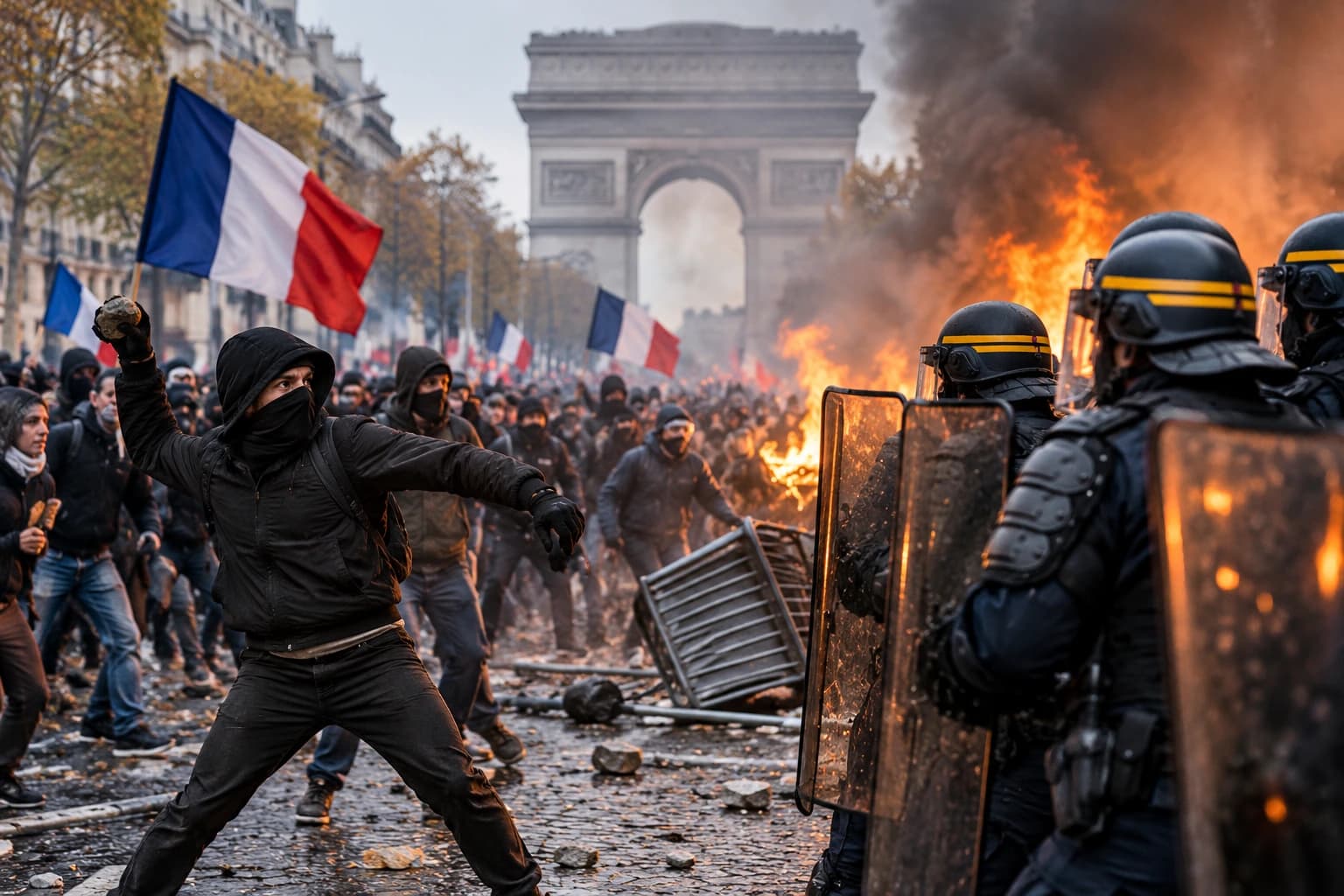
In recent weeks, the streets of Milan, Marseille, Madrid, Rome, Lisbon and Brussels have been filled with protests, most of which began peacefully, but some ended in riots and looting. As BBC News describes, thousands of people took to the streets in Rome and Florence, hundreds of thousands in France, in Madrid a tent camp has occupied the central square since the end of September, and in Brussels police used tear gas and water cannons after young people dressed in black threw stones and firecrackers at them. In Albania, demonstrators who accuse the authorities of corruption are demanding the resignation of Prime Minister Edi Rama, who has been in power for 13 years.
Young people and the 'TikTokization'
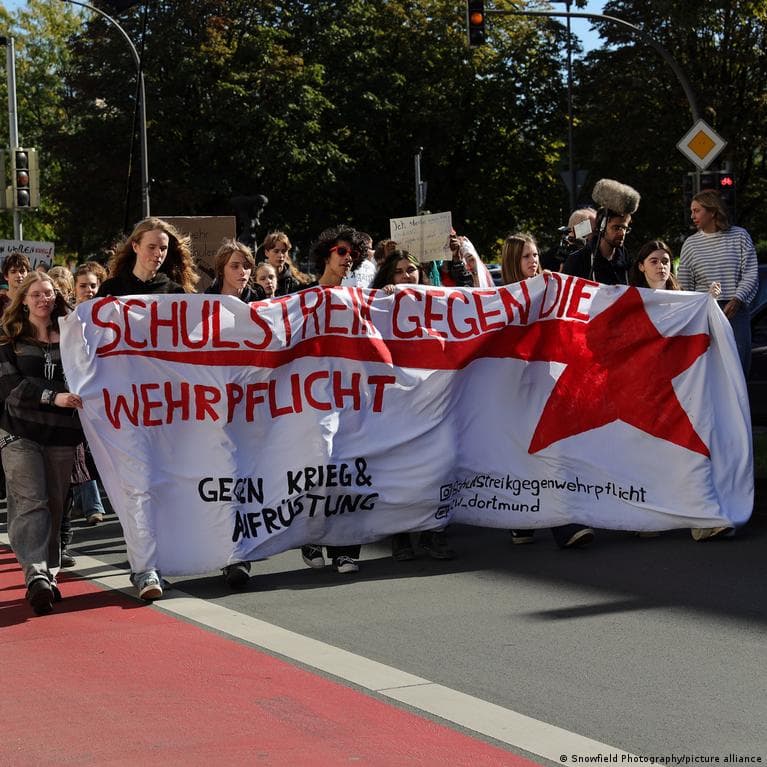
A distinctive feature of the current wave is its synchronicity and the age of participants: students and schoolchildren are protesting in France, Belgium, Ireland, Spain, Portugal, Italy, Greece, Serbia and Albania. Demonstrations are often organized spontaneously via TikTok and Instagram — Belgium's interior minister called this the 'TikTokization' of protests. The composition of those detained is also telling: according to the BBC, more than half of those detained in clashes in Barcelona last weekend were under 18, and in Milan, according to the LaPresse agency, minors were also among those detained. The trigger for the wave was France, where at the end of September students took to the streets over a shortage of teachers and dilapidated buildings; in Barcelona, protesters used the hashtag #InstitutsIndignats, modeled on the French Lycées Indignés.
Housing, education and fear of the future
The agenda extends far beyond education. Young people complain about the rising cost of living, which may leave them unable to finish their studies or rent housing for a family, and they also fear that AI will take away jobs. In Madrid and Lisbon, discontent centers on unaffordable housing prices: 26-year-old PhD student Carolina Cruz told Reuters that she risks losing her home because of an expiring lease and that 'even with all her education, she cannot make ends meet.' The discontent is not limited to the left: young supporters of Marine Le Pen at the start of her presidential campaign called themselves the 'silent majority' and spoke about uncontrolled immigration, street safety and the cost of living.
Overlapping crises and an explanation for the riots
Mark Leonard, director of the European Council on Foreign Relations, speaks of a cascade of unresolved crises — from the financial crisis of 2007–2008 and the migration crisis of 2015 to inflation following Russia's invasion of Ukraine and the war in the Persian Gulf — which pile on top of one another and spill out onto the streets. As for the violence, the intelligence services of France and Belgium describe the looting on the fringes of authorized demonstrations as predominantly opportunistic, a combination of 'mindless violence' and deliberately organized disorder by far-left groups. The political center and the right in France, including Macron, blame radical left groups and 'delinquents,' while the Belgian nationalist party Vlaams Belang called the riots 'imported' and blamed migrants and the failure of integration — critics accuse anti-immigration parties of trying to extract political gain from the unrest.
The authorities' response and the electoral backdrop
Governments are responding more harshly: thousands of arrests, and France and Italy have promised to introduce a 'break it — pay for it' principle. Italian Prime Minister Giorgia Meloni proposes making the parents of minors liable for damage caused by their children, including deductions from family welfare payments; in France, the civil code already places such liability on parents living with their children. Meanwhile, key elections lie ahead: the French presidential election is considered the most significant for Europe, Le Pen consistently leads her rivals in the polls, and, as the BBC notes, it is assumed the unrest plays into her hands thanks to her law-and-order rhetoric. Nationalist parties are also polling well in Spain, Italy, Germany and Poland. Grégoire Roos of Chatham House speaks of a 'crisis of legitimacy' of the political mainstream: the very fact of mass protests indicates that the authorities have failed to handle the situation, and the erosion of the social contract — the exchange of taxes and compliance with the law for quality public services and stability — makes a continuation of the protest moment likely.
 Image source, Getty

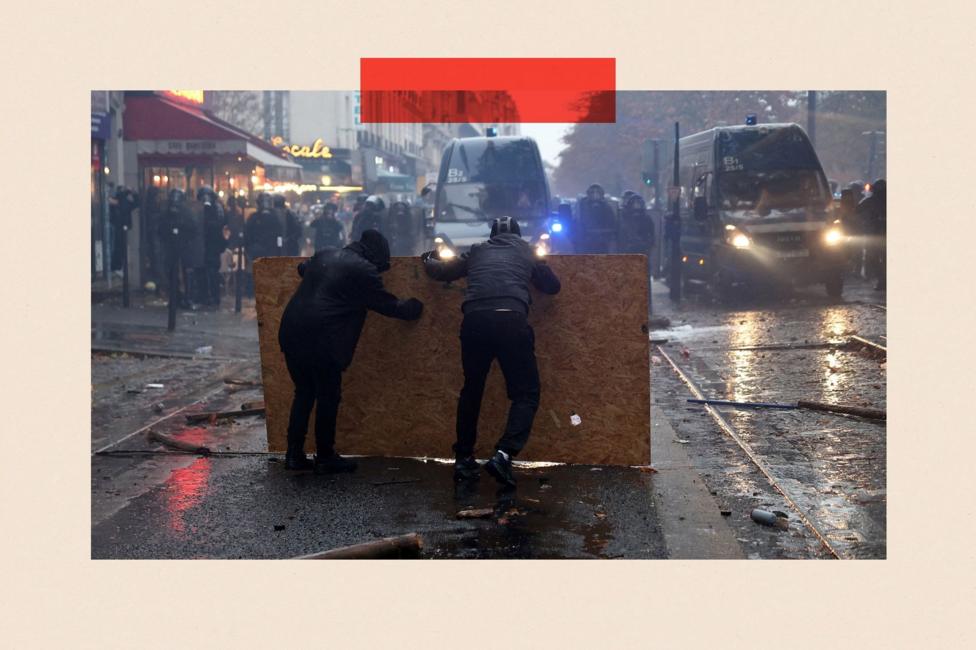 Image source, REUTERS/Abdul Saboor
Hundreds of thousands have joined protests in France, some of which turned violent
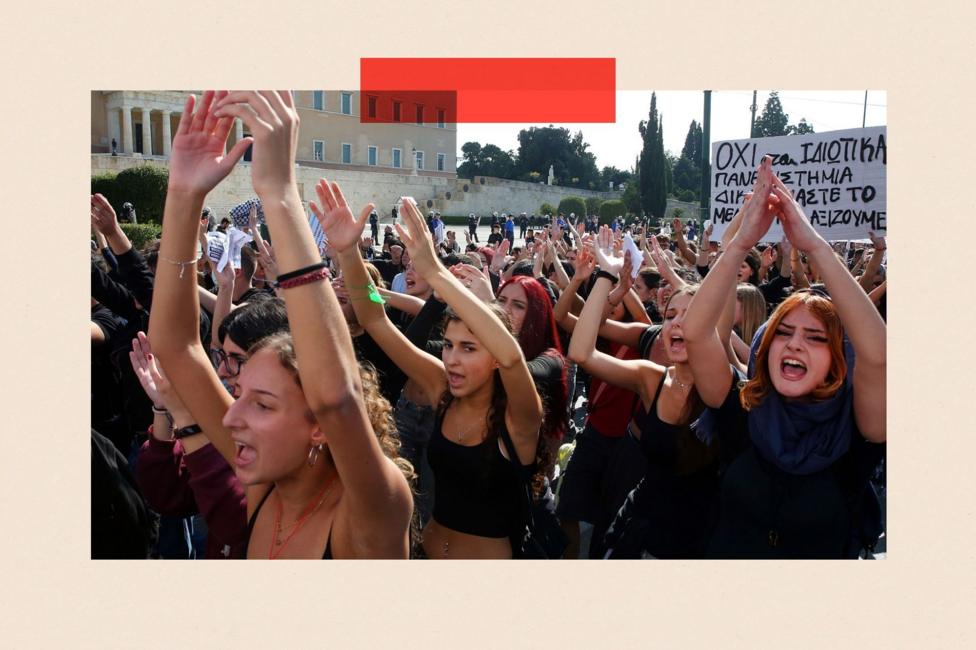 Image source, EPA/Shutterstock
In Athens, school pupils and teachers have demonstrated over education and the cost of living
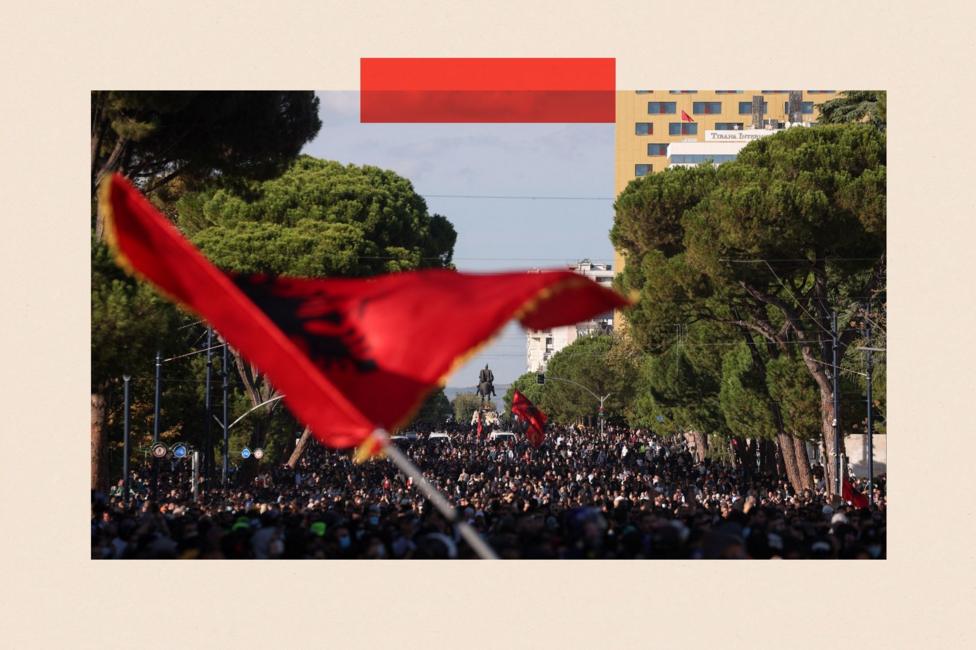 Image source, REUTERS/Valdrin Xhemaj
Anti-government marches have swept through Tirana, the Albanian capital
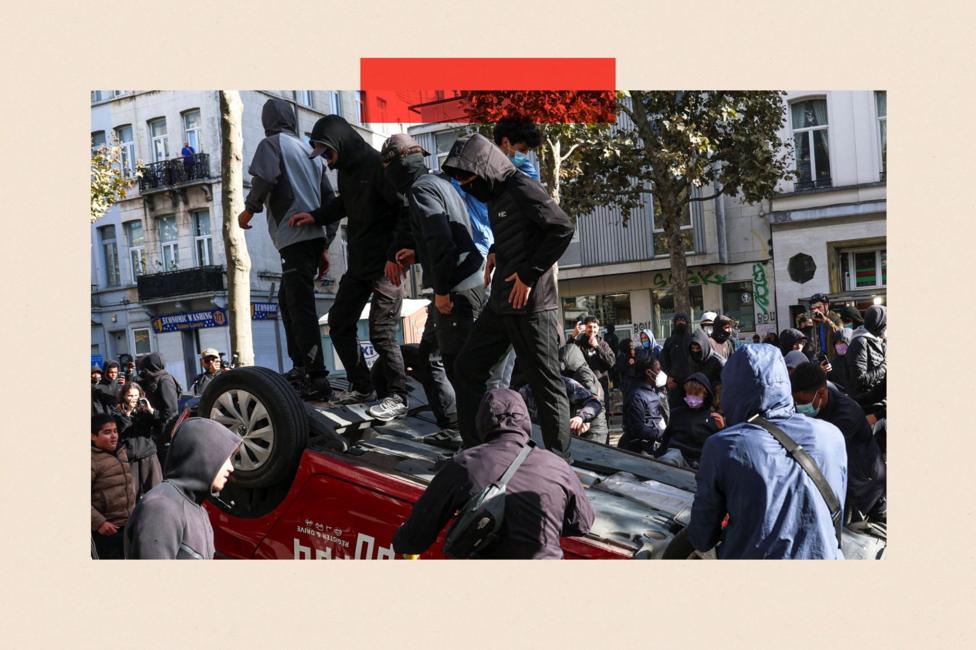 Image source, REUTERS/Yves Herman
Belgian security services say there is 'opportunistic' violence on the fringes of legally approved protests
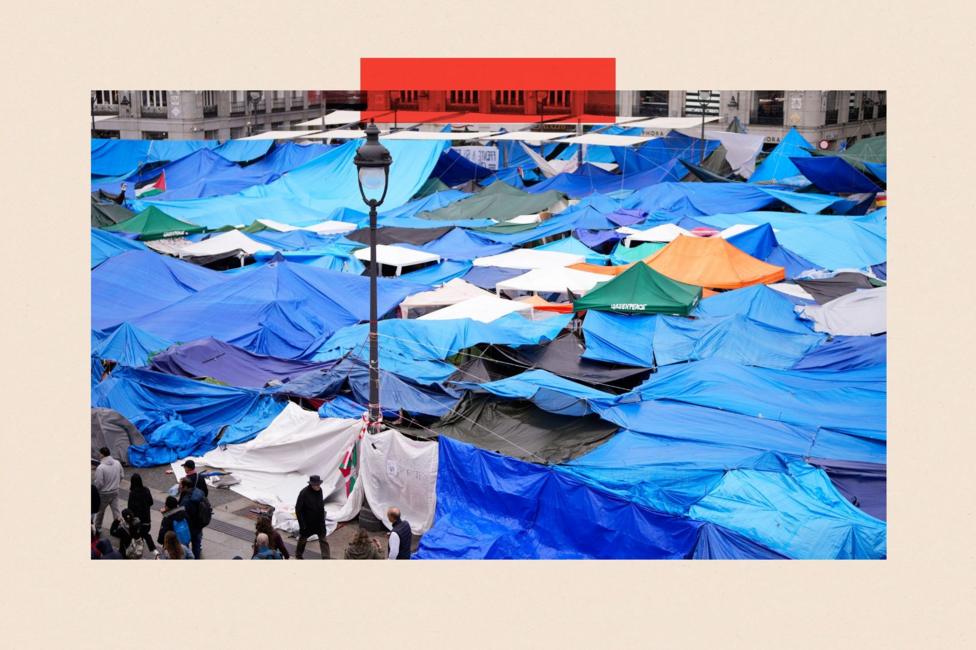 Image source, EPA/Shutterstock
Puerta del Sol square in Madrid has been occupied by tents since late September