The key facts
- Yair Golan met with Mansour Abbas to speed up the formation of a 'government of change' after the Knesset election
- According to KAN, Netanyahu's bloc won 53 seats, the bloc of change 48, and the Arab parties 19 of 120
- Final results are expected on Wednesday after verification procedures are completed
Golan and Abbas meeting
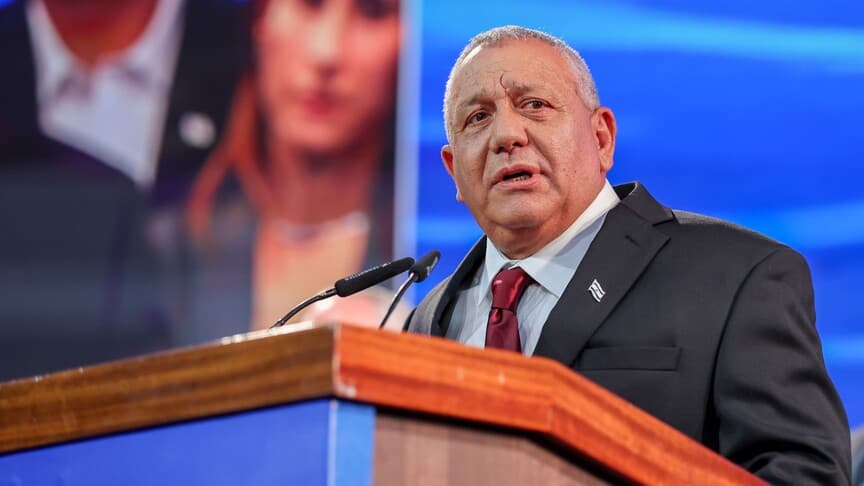
Yair Golan, leader of the Israeli opposition party The Democrats, said on Thursday that he had met with Mansour Abbas, leader of the United Arab List (Raam). According to him, the purpose of the meeting was to speed up the formation of a government that would replace the cabinet of Prime Minister Benjamin Netanyahu after the Knesset elections. In a post on X accompanied by a photo with Abbas, Golan wrote that the meeting was held in order to 'quickly advance a government of change and implement the will of the Israeli voter,' adding: 'This is a time for action. Our responsibility is not to miss the opportunity for change.' He did not specify where the meeting took place. Abbas himself had not responded to the meeting as of 18:00 GMT. This was reported by Anadolu.
The situation after the election
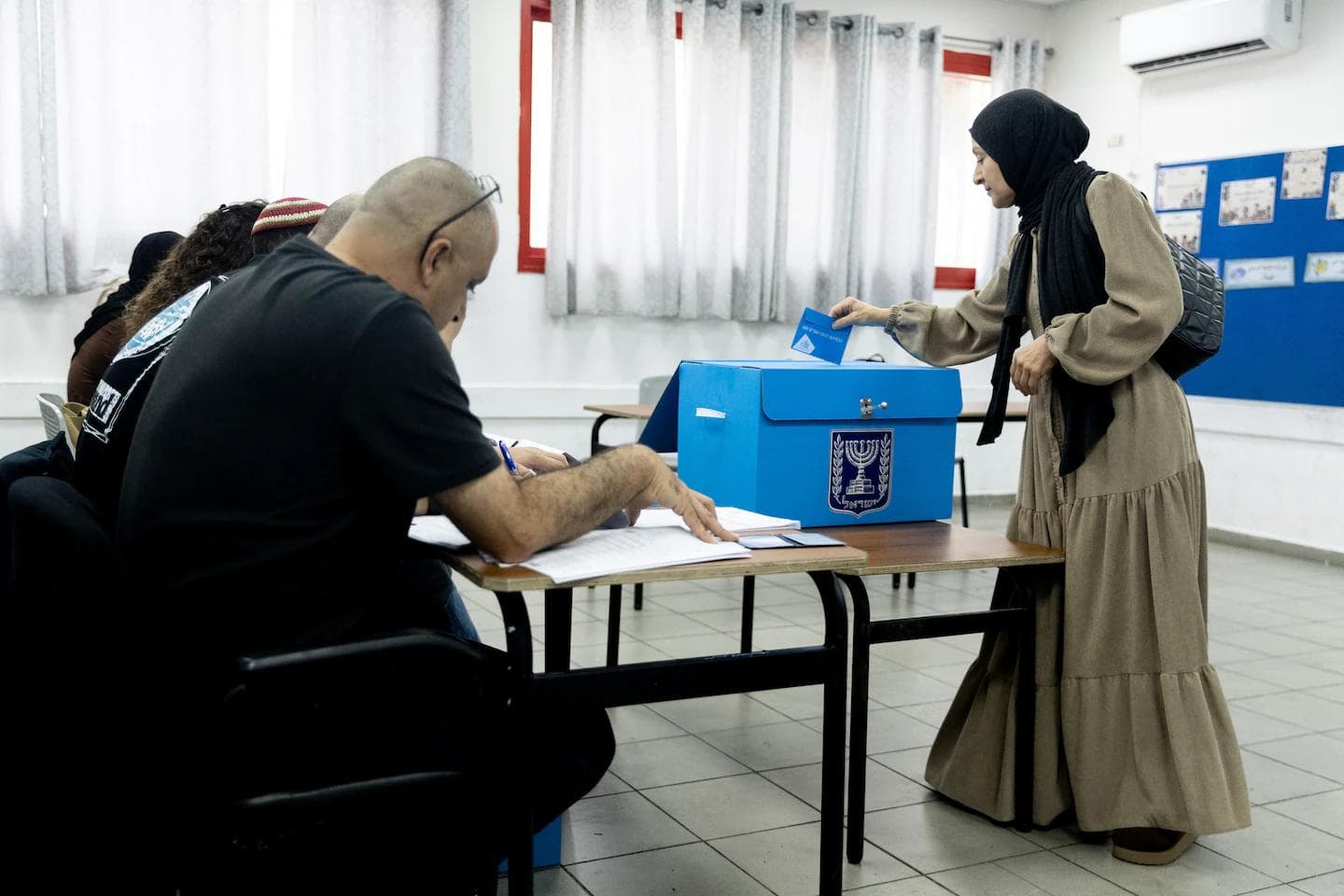
The meeting comes amid opposition leaders' efforts to form a new government after Netanyahu's bloc failed to secure the parliamentary majority needed to govern. Israel's state broadcaster KAN reported on Thursday that the vote count had been completed: Netanyahu's bloc won 53 seats, the bloc of change 48, and the Arab parties 19 in the 120-seat Knesset. Raam, led by Abbas, took eight mandates, and the United Arab List 11. Final results are expected next Wednesday after verification procedures are completed.
Coalition arithmetic and disagreements within the opposition
Together, the bloc of change and the Arab parties hold 67 seats, but the Arab parties are not formally part of the bloc of change, so the possibility of an alternative government depends on political agreements between the parties. According to the newspaper Israel Hayom, Golan also held meetings with Yashar party leader Gadi Eisenkot and opposition leader Yair Lapid as part of post-election political coordination. Golan called on the leaders of the bloc of change to reconsider their positions on cooperation with the Arab parties in order to find a path to forming a government. He has previously spoken in favor of including Raam in a future government, whereas Yisrael Beiteinu leader Avigdor Lieberman opposes a coalition with the Arab parties — a key obstacle to an arithmetically possible 67-mandate coalition.