The key facts
- According to a Storytel Group survey, detective stories and thrillers are the most popular audiobook genres in Sweden, Norway, Finland and Poland
- Jónasson and Sigurðardóttir have written a joint thriller to be published next year; the title and date have not yet been revealed
- Iceland Noir 2026 will take place from 11 to 14 November in Reykjavík, with a memorial day for Agatha Christie marking the 50th anniversary of her death on the programme
A genre thriving in one of the safest countries in the world
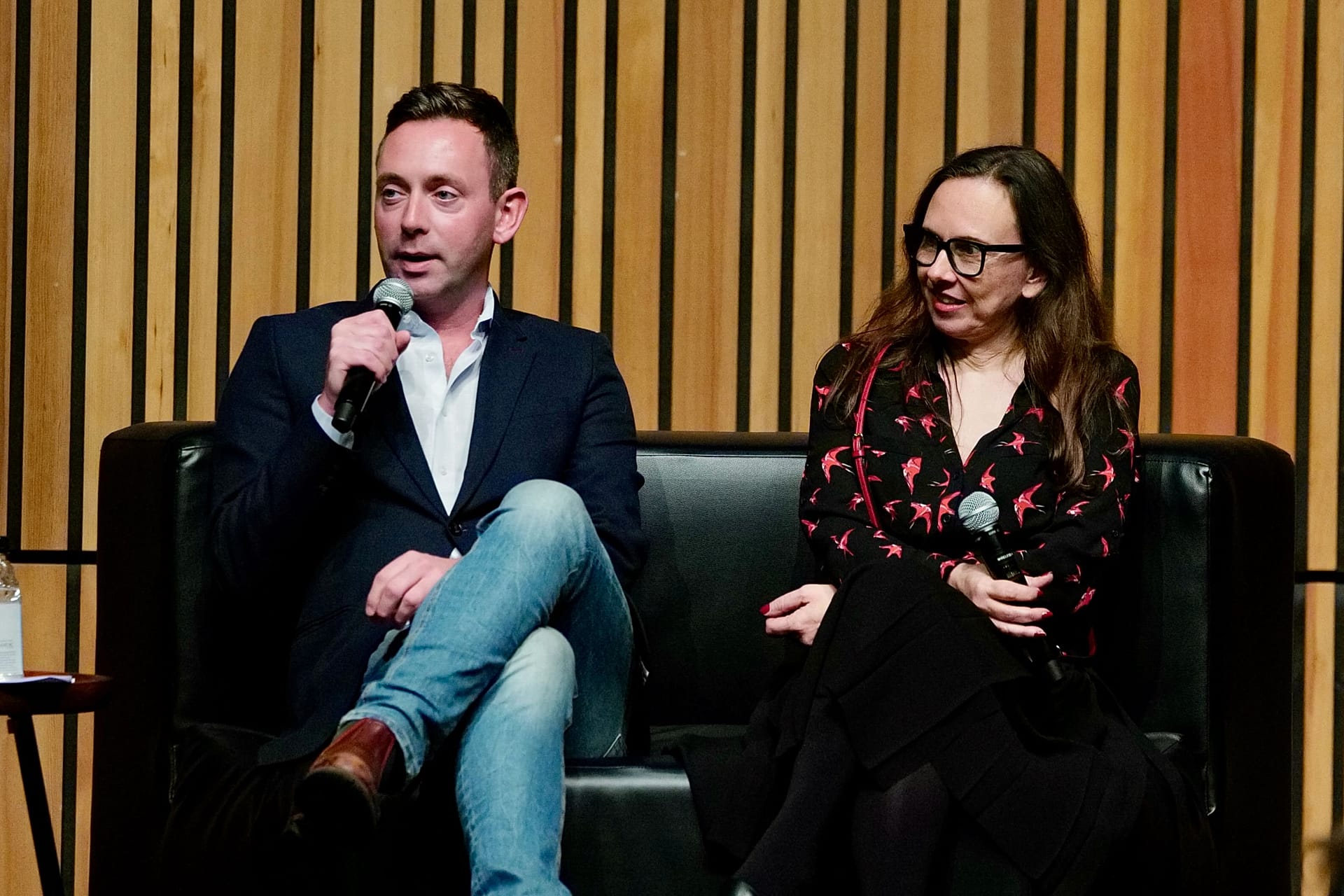
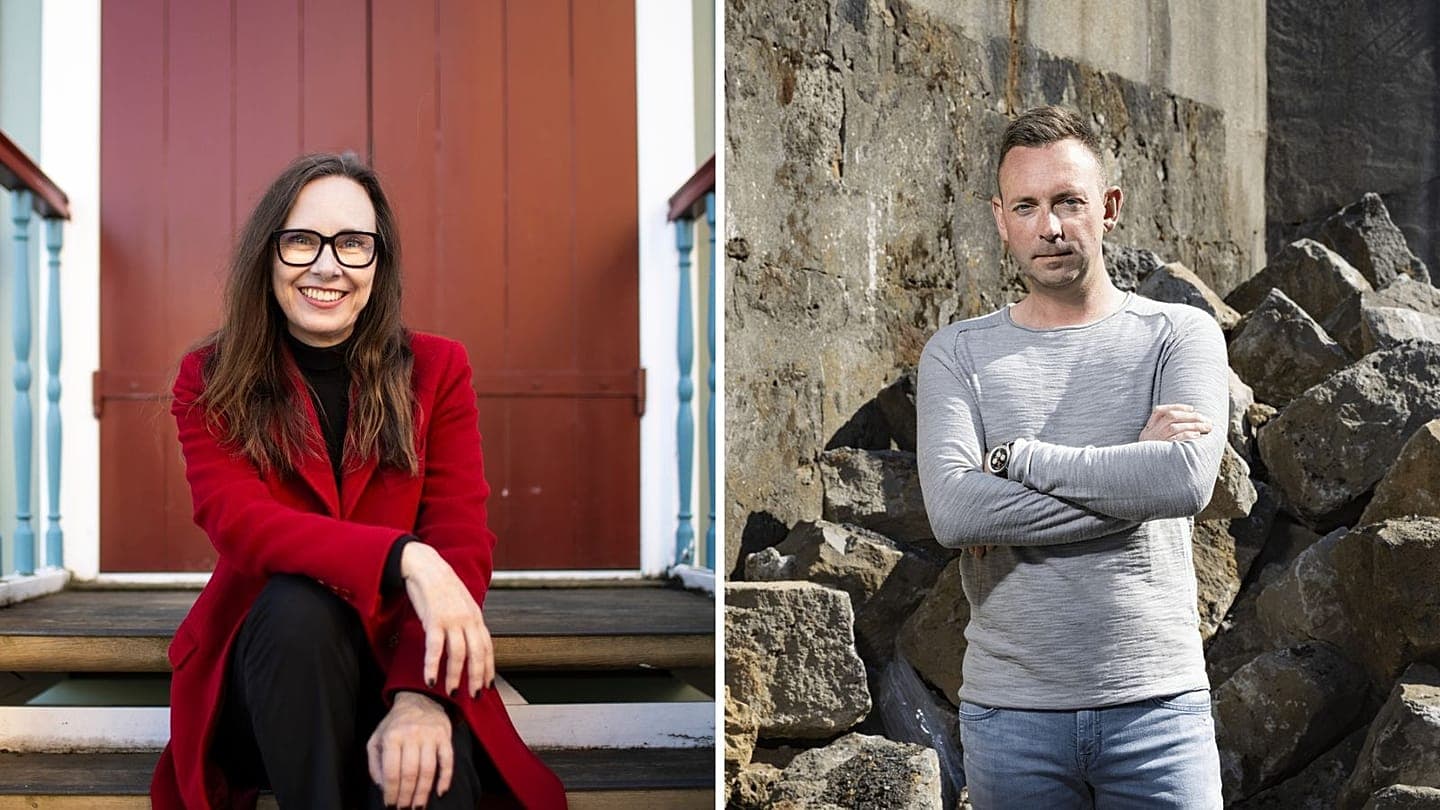
Crime fiction remains one of the best-selling genres in Europe, especially in the UK and the Scandinavian countries. According to a survey by Storytel Group, detective stories and thrillers have become the most popular audiobook genres in Sweden, Norway, Finland and Poland. Against this backdrop, 'Icelandic noir' stands out — a branch of the genre in which psychological tension arises from the country's isolated geography. Its leading authors are said to be Ragnar Jónasson and Yrsa Sigurðardóttir, whom Euronews Culture spoke with at the Taste of Iceland festival in London.
Two paths to crime fiction
Jónasson began with translations of Agatha Christie, has written eight standalone novels and two series — Dark Iceland and Hulda; the latter was adapted into the series The Darkness, starring Lena Olin and directed by Lasse Hallström. Sigurðardóttir, a civil engineer, came to prose through children's books and has created five standalone crime novels and three series; two of her works have been adapted for the screen — Ég man þig (2017) and Kuldi (2023). Both authors' books have sold in the millions, and in 2013, together with Quentin Bates, they founded the Iceland Noir festival.
Why crime fiction is popular where there is almost no crime
Sigurðardóttir explains the demand for the genre by the fact that it promises the reader the solving of a crime and the triumph of justice — 'something you cannot rely on in reality.' Jónasson adds a historical layer: the Icelandic sagas of the Middle Ages, he says, were essentially thrillers too — about revenge, murder, honour and lawsuits. Both note the specifics of the genre in their country: with a small population, the stories are built around interpersonal conflicts and reputation rather than organised crime, which is virtually absent in Iceland.
A joint book and the festival
The authors said they have already written a joint 'very Icelandic thriller', set in a cave and partly in the Icelandic highlands; the book will be published next year, with the title and release date not yet revealed — new details are promised at the November festival. Iceland Noir 2026 itself will take place from 11 to 14 November in Reykjavík. This year's programme includes a day dedicated to Agatha Christie, marking the 50th anniversary of her death: her great-grandson, a publisher, is expected, along with Lucy Foley, author of a new Miss Marple novel, as well as Lee Child and British rapper Tinie Tempah.
What is changing in Icelandic literature
Jónasson noted the main change of the past decade: Icelandic prose is now translated and published abroad far more often, so writers in Icelandic now have a better chance of reaching a wide audience. According to him, demand has grown for Icelandic culture as a whole — music, film and books. On the fate of the genre in the age of AI, the authors expressed differing views: Sigurðardóttir believes AI's role will first grow and then decline, since its texts merely 'reassemble' what has already been created; Jónasson expressed confidence that culture will always be created by people, citing the Icelandic word menning ('culture'), which derives from the word for 'human'.