The key facts
- According to a 2025 survey, more than half of Japanese people are willing to rent 'cursed' housing if it is cheap
- A tenant in Tokyo's Setagaya district pays 45,000 yen instead of 62,000 — a discount of almost 30%
- Under 2021 guidelines, real estate agents are required to disclose suicides, murders and 'lonely deaths'
Discounts for an 'unlucky' apartment
A BBC News correspondent, preparing a report from Tokyo, spoke with residents of 'cursed' apartments and real estate agents: in Japan, an entire market segment has emerged — jiko bukken, 'stigmatised' or 'incident' properties where suicides, murders, fatal fires or 'lonely deaths' have occurred. For superstitious Japanese, such housing is unacceptable, so those unafraid of superstitions get significant discounts.
What real estate agents are required to disclose
Under the government's 2021 guidelines, Japanese real estate agents are required to report suicides, murders, deaths in fires, and any death where the body went undiscovered for a long time. For rentals, the information must be disclosed for three years; for sales, indefinitely. By comparison, in the UK there is no legal obligation to disclose a death in an apartment, while in the US the rules vary from state to state — for example, in California a death in the past three years must be disclosed, but in Arizona and Oregon it need not be.
How much do residents save
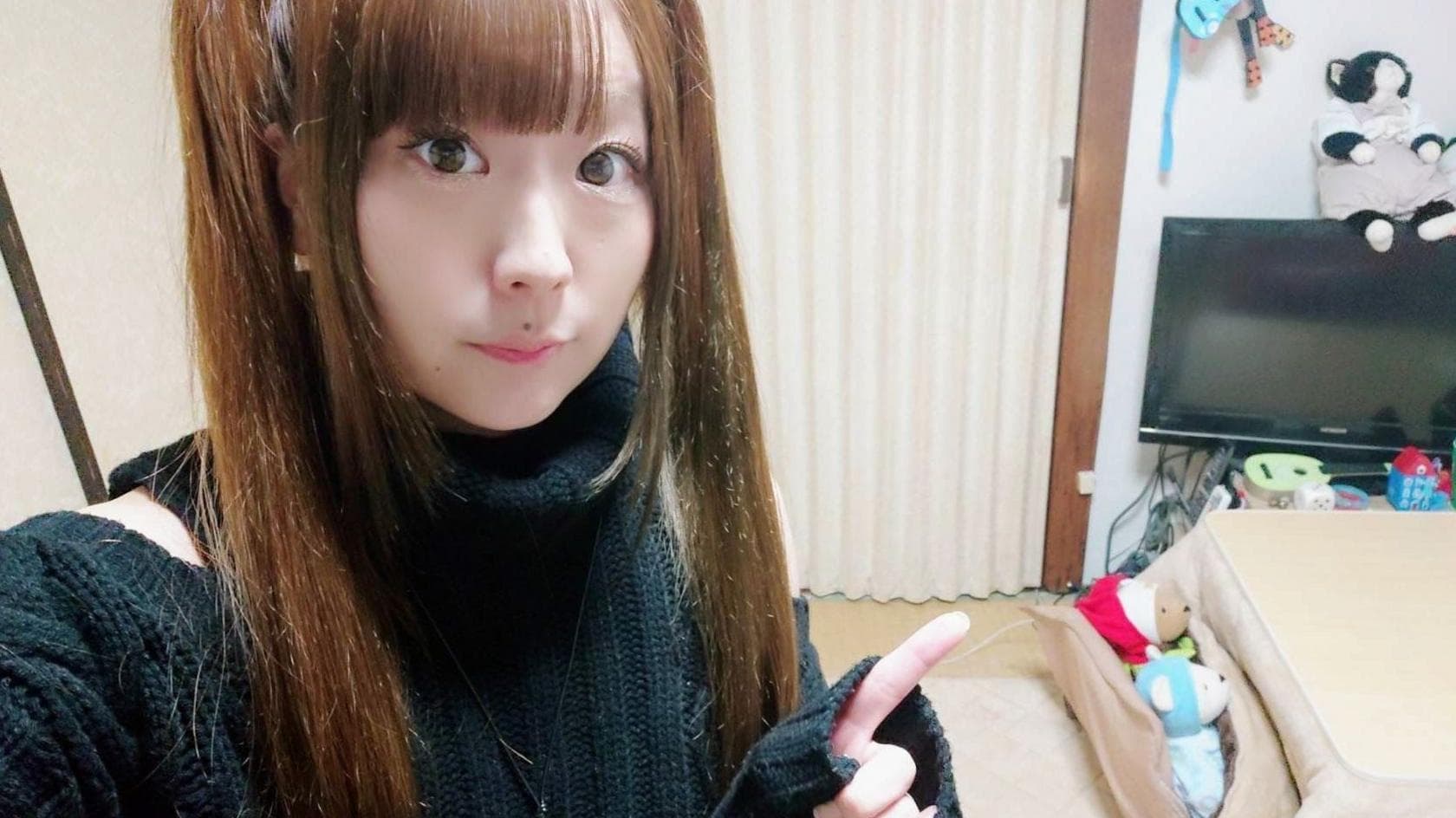
Aidoru Ryua (she does not give her surname) realised at the viewing itself that a ghost 'lived' in her Tokyo apartment — though the agent had never seen it. She was told that a man had taken his own life there, and this earns her a discount of almost 30%: for the 25-square-metre apartment in the fashionable Setagaya district she pays 45,000 yen (about $285) a month instead of 62,000. Four years later, she still hears footsteps and a voice, and says that 'ghosts were once living people, so they deserve respect.' Real estate agent Eric Oskamp notes that the Japanese are especially superstitious: even an apartment next to a cemetery rents poorly, and worst of all is a suicide in the apartment or a 'lonely death.'
A house for half price in Kagoshima
Diane Tincher, a 79-year-old American who has lived in Japan for almost 40 years, bought a three-bedroom house in the rural Kagoshima prefecture for 20 million yen, whereas similar properties there cost up to 45 million yen — the discount of about half the price was because an elderly woman had died alone in the house. She herself does not believe in ghosts, but is 'grateful to her every day' for the affordable housing. She found the house on the crowdsourcing website Oshimaland, which has been collecting information about jiko bukken since 2005 — first in Tokyo, and from 2011 outside Japan as well.
Attitudes are changing
Oshimaland founder Teru Oshima says that such apartments used to be 'not a very attractive option.' But against the backdrop of rising housing prices and the general rise in the cost of living a 2025 survey showed that more than half of Japanese people are willing to rent a jiko bukkenif it is cheap. The BBC report does not provide data on how the discounts themselves have changed — it is only known that demand for cheap 'cursed' housing has grown.
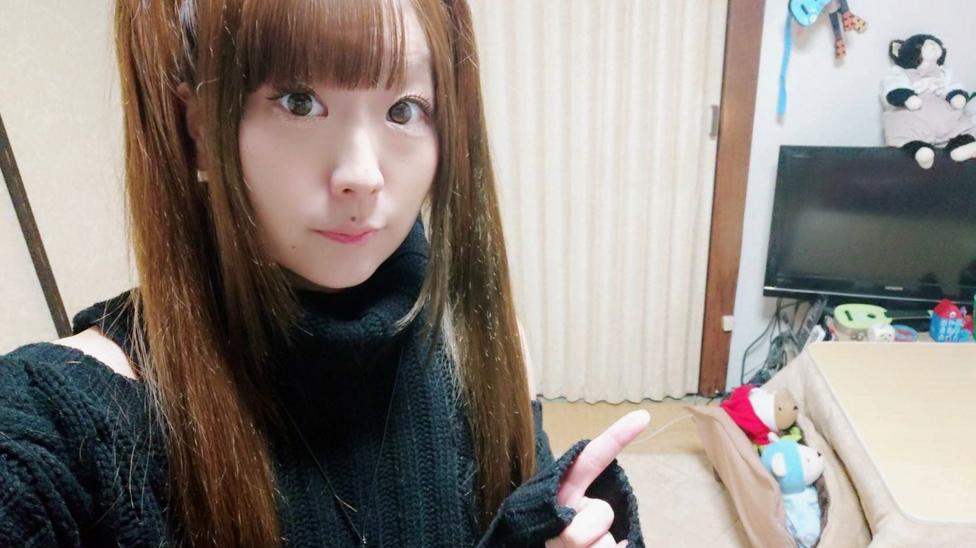
Ryua says that she shares her Tokyo apartment with a ghost
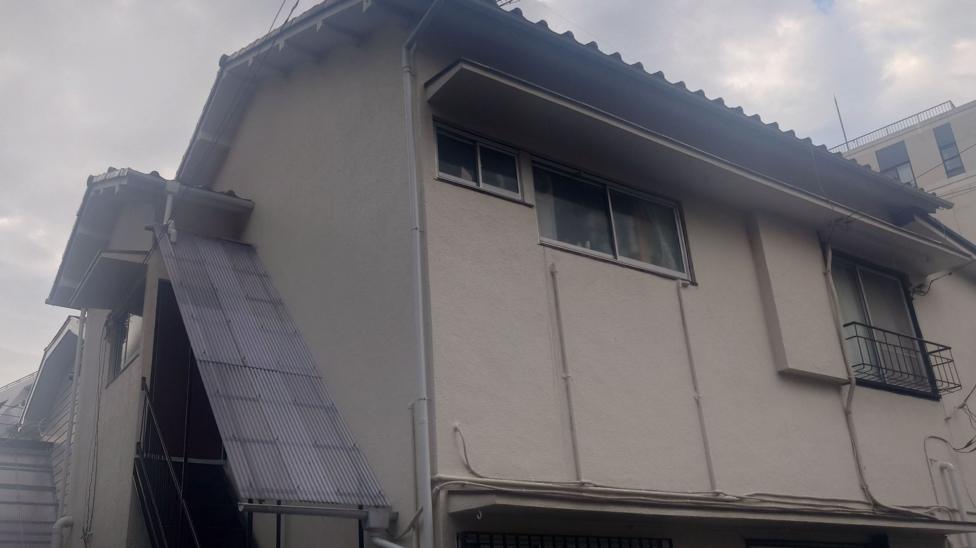
The previous occupant of Ryua's apartment, pictured here, sadly took their own life
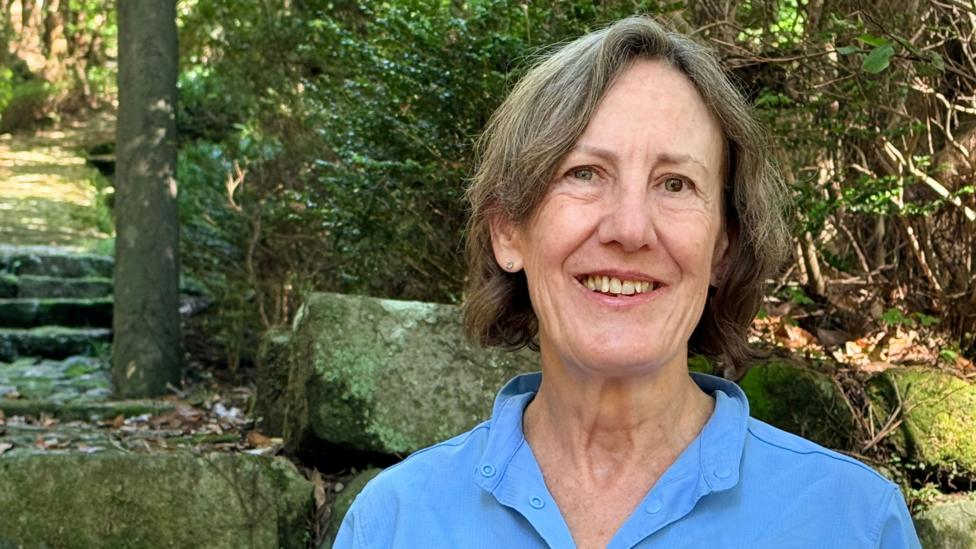 Image source, Diane Tincher
Diane Tincher says she got a 50% reduction on her home in rural Japan