The key facts
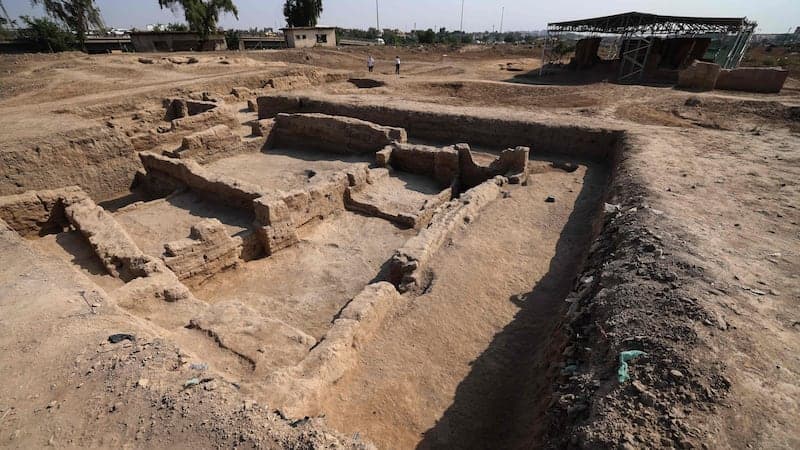
- At Tell Muhammad, fortress walls, two gates, traces of food production, metalworking, and burial practices from the era of Hammurabi (around 1750 BC) were found
- Excavations have been conducted since 2022 jointly with the University of Catania under Professor Niccolò Aneri
- The artifacts will be transferred to the Iraq Museum in Baghdad, and an archaeological park is planned on site
Finds from the era of Hammurabi near Baghdad
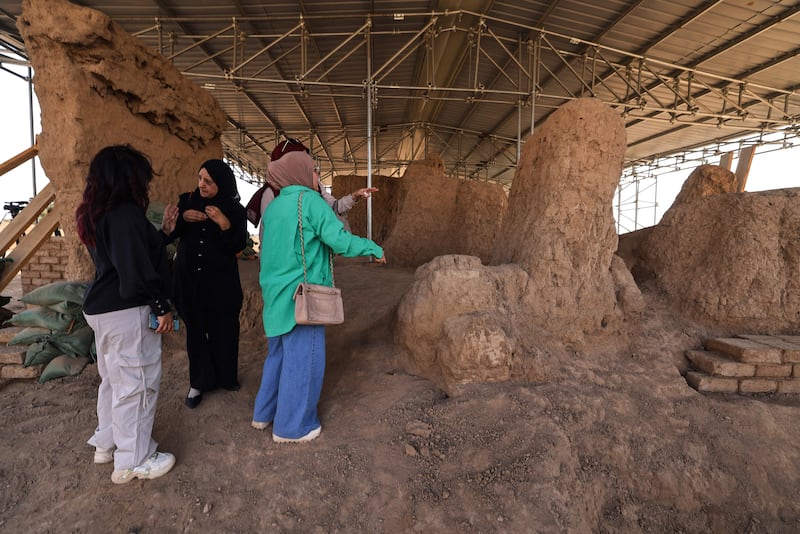
Iraq's State Council of Antiquities and Heritage announced new discoveries at the archaeological site of Tell Muhammad near Baghdad. Excavations have been carried out since 2022 as part of a joint project with Italy's University of Catania, led by Professor Niccolò Aneri. The finds date to the era of Hammurabi, king of Babylon around 1750 BC. The outlet reported this The National citing Iraqi authorities.
What was found and what is planned
As Aneri told local media, the team excavated areas associated with the fortress walls and discovered two gates, including a small hidden entrance, presumably for military use. Among the finds are also structures that may have been used for food production, traces of metalworking, and ancient burial practices. The authorities plan to open an archaeological park for visitors at the excavation site and have already installed a protective shelter over the site. Ali Obaid Shalgam, head of the Council of Antiquities, who announced the discoveries on Monday, said the artifacts would be transferred to the Iraq Museum in Baghdad; he did not specify the number or nature of the objects.
The site's significance and context
Tell Muhammad was settled during the periods of the Old Babylonian Kingdom and the Kassites, when Babylon was expanding its political and economic influence. The site is considered one of the settlements of the kingdom of Eshnunna, which flourished between 2000 and 1761 BC; its remains shed light on early urban development in central Mesopotamia long before Baghdad became the Abbasid capital. According to The National, decades of war and instability in the Middle East, as well as climate change, have long hindered the study of Iraq's archaeological sites. According to Shalgam, Minister of Tourism and Antiquities Ali al-Dahili instructed the council to bring in foreign archaeologists to work alongside Iraqi specialists, and last year the head of the council said that at least 50 foreign missions were working in Iraq, carrying out excavations and preparing sites for tourism.