The key facts
- 'Cortisol belly' is an internet term that the doctor considers a marketing ploy
- Endogenous hypercortisolism occurs in about 1% of people with obesity and is more often linked to tumours
- Benchmarks are given: BMI above 25 and 30, waist circumference of 80 cm or more in women and 94 cm or more in men
Stress does not make the belly: a doctor on a popular myth
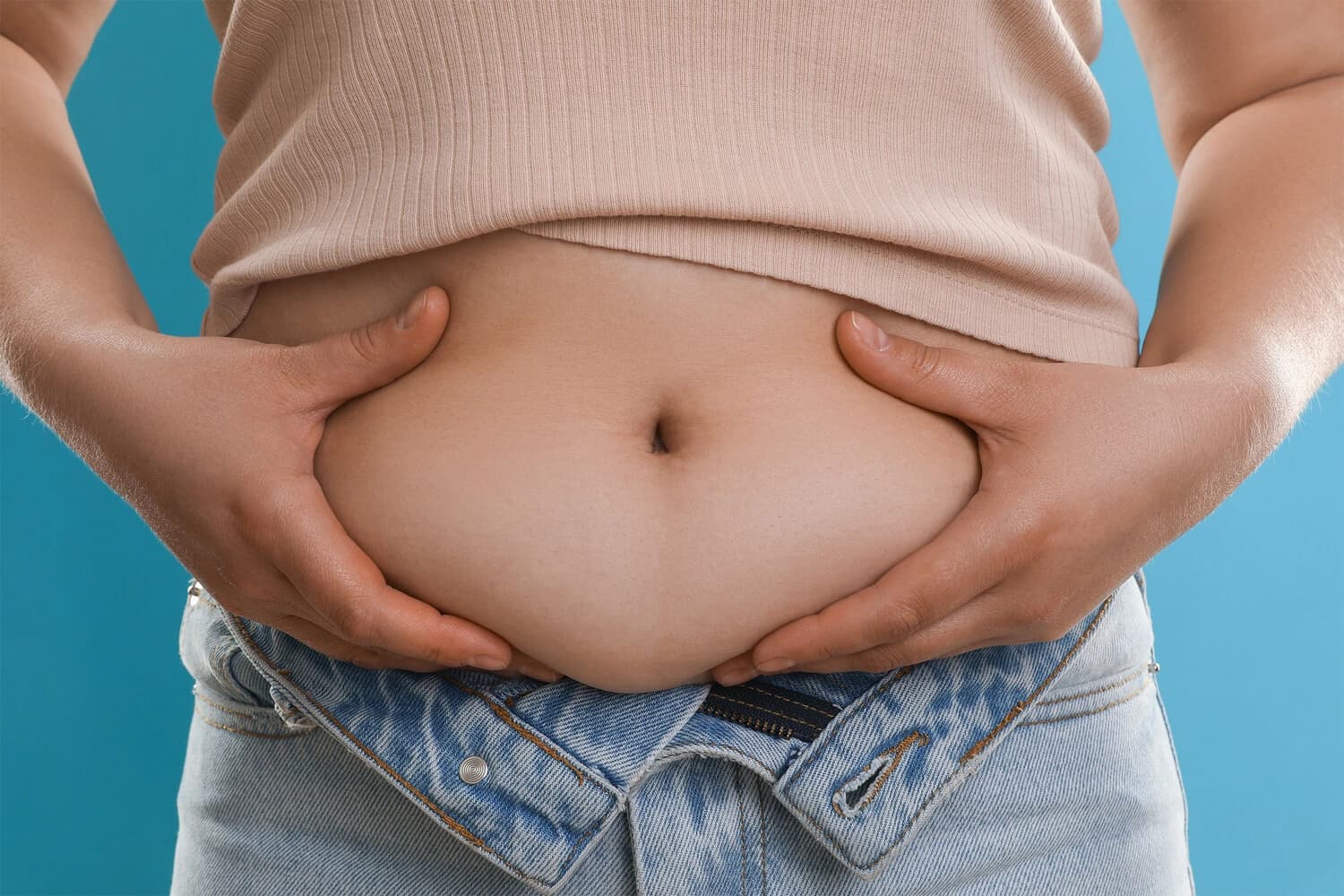
The popular internet term 'cortisol belly', which many people associate with stress and fat deposits around the waist, does not correspond to reality in the vast majority of cases. This was stated to Gazeta.Ru by endocrinologistand nutritionist, expert of the Doctor TV channel Elizaveta Zolotova. According to her, in 95% of cases an increase in belly size is linked to an imbalance between energy intake and expenditure, not to stress hormones.
When cortisol really does affect your figure
Zolotova suggested calling cortisol the 'adaptation hormone': without it the body could not survive, since it mobilises the body's resources during stress, exercise or sleep deprivation. Excessive production of the hormone can indeed lead to fat accumulation in the abdomen, chest and neck, but this condition — endogenous hypercortisolism — is extremely rare, occurring in about 1% of people with obesity, and is most often associated with tumours. Elevated cortisol caused by ordinary everyday stress, the doctor said, cannot make the belly grow. 'In the vast majority of cases, a cortisol belly is nothing more than a marketing ploy aimed at luring a person in and prescribing unnecessary tests,' she emphasised.
What really affects fat distribution and when to get checked
Fat tissue distribution, the specialist explains, is influenced by genetics, sex and hormonal status: during menopause, due to oestrogen deficiency, fat accumulates more actively around the abdomen, while in men with testosterone deficiency fat mass grows faster. Simple benchmarks for assessment: a BMI above 25 kg/m² indicates overweight, above 30 — obesity; a waist circumference of 80 cm or more in women and 94 cm or more in men indicates abdominal obesity and a risk of insulin resistance and cardiovascular disease. At the same time, an enlarged belly does not always mean fat: the cause may be gastrointestinal disorders or gynaecological problems, and bioimpedance analysis, which shows the ratio of fat, muscle and water, is used for an accurate assessment of body composition.
How to lose weight
For weight loss, Zolotova names a comprehensive approach: a calorie deficit and a balanced diet, regular physical activity, normalising sleep and managing stress. 'It is impossible to lose weight locally — the fat-burning process proceeds evenly throughout the whole body,' the doctor explains. Earlier, as the outlet notes, a doctor named the main reason why supplements and 'weight-loss injections' do not work.