The key facts
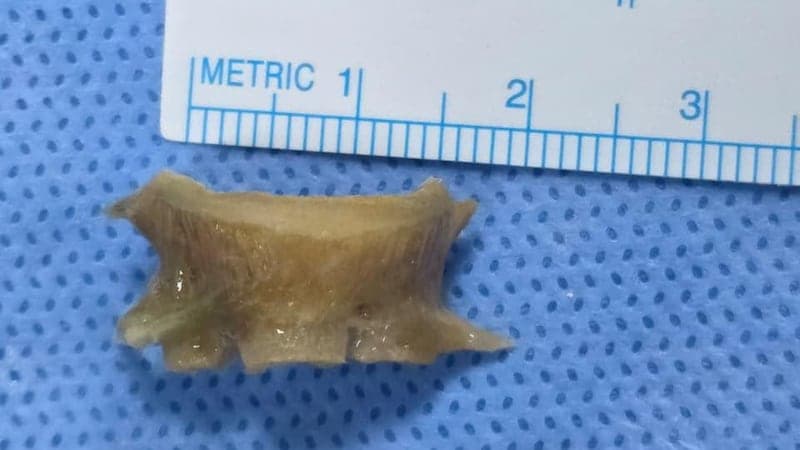
- A fish bone about 2 cm long remained in the patient's right main bronchus for almost two months
- The first visit to the emergency department did not reveal the cause of the symptoms; the bone was detected on a CT scan
- Removal took 30–40 minutes, with discharge within three hours of the procedure
Symptoms with no obvious cause
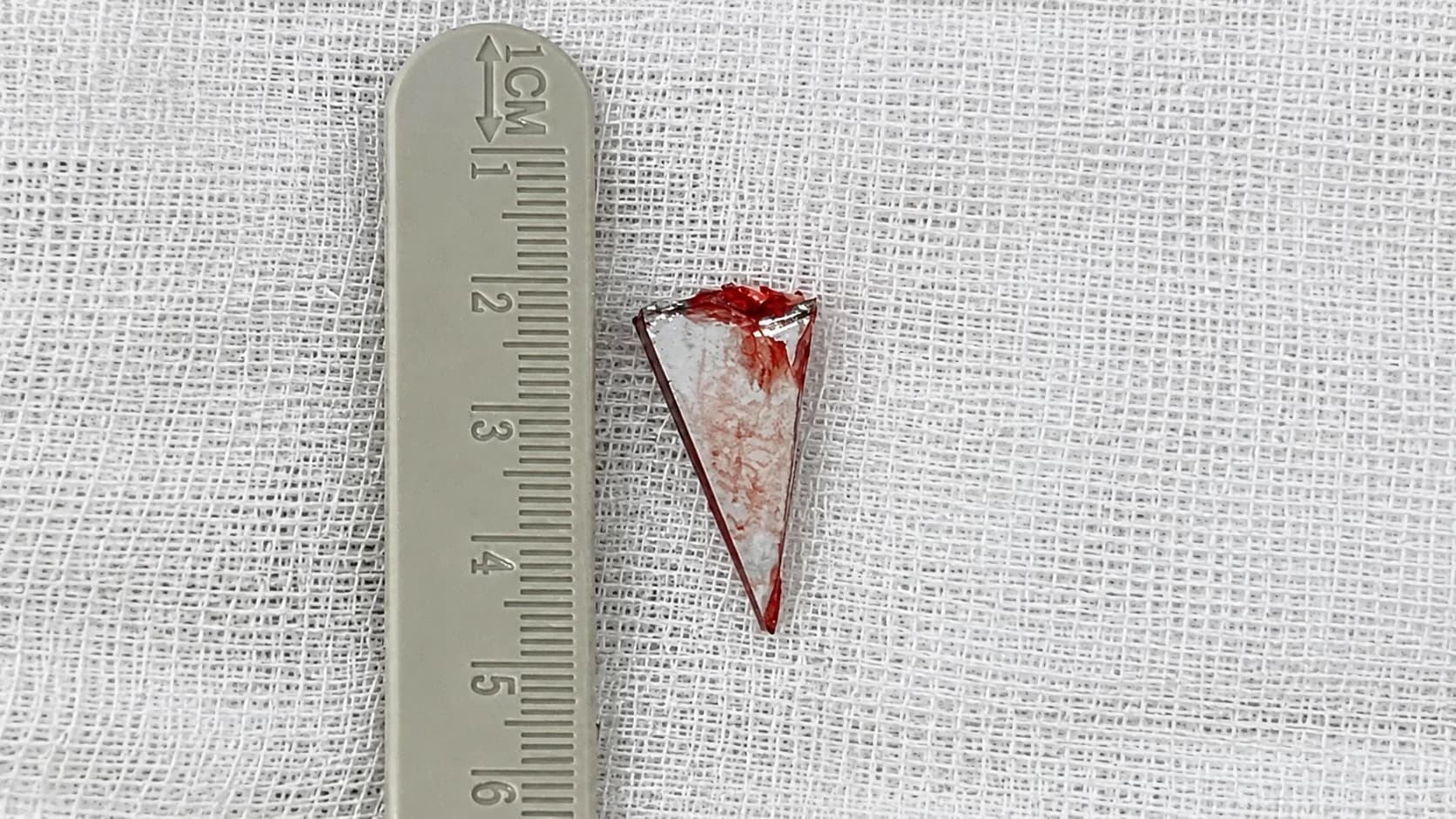
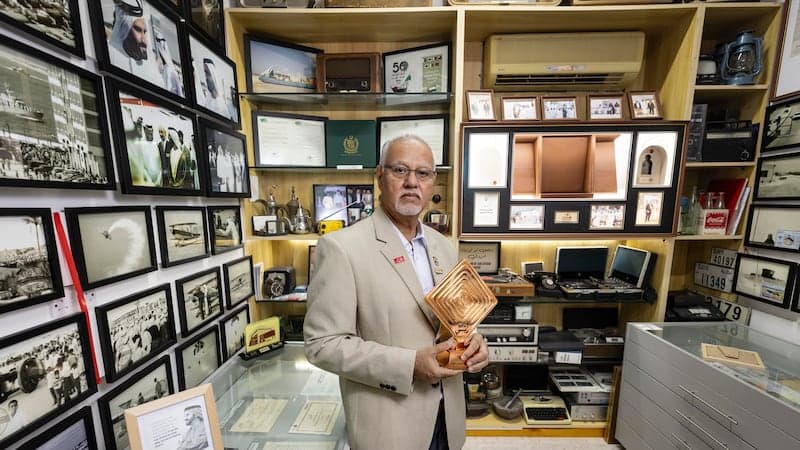
Doctors in Dubai removed a fish bone about 2 cm long that had remained in the airways of 60-year-old Indian expatriate Unnikrishnan Sivaraman, who lives in Sharjah, for almost two months. The National reported this. The patient experienced nausea, vomiting with traces of blood, then coughing, chest congestion and increasingly difficult breathing, but, according to him, he had no idea a bone was stuck in his airways. His first visit to the emergency department yielded no results — doctors could not determine the cause of the symptoms. The bone was only identified after a CT scan, after which the patient was referred to Aster Hospital Mankhool.
A rare case and a difficult removal
The hospital's pulmonologist, Dr Jolsana Augustine, noted that foreign bodies entering the airways are not uncommon, but a fish bone remaining there for almost two months is an 'unusual' case. The bone was located in the lower airways, penetrating the right main bronchus — the airway leading to the right lung. The bone's sharp edges and the surrounding inflammation with granulation tissue complicated the removal: planning involving specialists in ENT, pulmonology and anaesthesia was required, and the surgeons had to avoid damaging the airways and vocal cords. During the bronchoscopy, the bone was moved from the right main bronchus into the upper airways and extracted with special forceps, while oxygen levels and the risks of bleeding and sudden obstruction were monitored.
Outcome and practical context
The procedure took about 30–40 minutes, and the patient was discharged within three hours. After the operation, which took place in September, Sivaraman says he has noticed a significant improvement in breathing and overall condition, although he continues to eat fish — now checking it more carefully for bones. The article explains that, according to a 2016 study, fish bones are among the most frequently swallowed food-related foreign bodies, especially in Asia, but they more often get stuck in the oesophagus rather than the airways, and the longer a foreign body remains in place, the higher the risk of complications. Notably, in this case the diagnosis required repeated consultations and a CT scan after an inconclusive visit to the emergency department — the patient himself attributed the delay to the non-obvious nature of the symptoms. The doctor recommended eating slowly, chewing thoroughly, not talking or laughing while eating, and paying special attention to children and the elderly.