The key facts
- Shaukat Rana came to Dubai as a boy in 1968 to join his father, who worked for Pakistan International Airlines
- He began organising the collection during the Covid-19 pandemic, taking over the kitchen and an extension of the living room
- He began systematically organising the collection during the Covid-19 pandemic, taking over the kitchen and an extension to the living room
- About 100 documents have been sent to the US for official authentication; in April Rana received an Erth Awards honour from Sheikh Mohammed bin Rashid
- About 100 documents have been sent to the US for official authentication; in April, Rana received the Erth Awards honour from Sheikh Mohammed bin Rashid
A house-museum in Mirdif
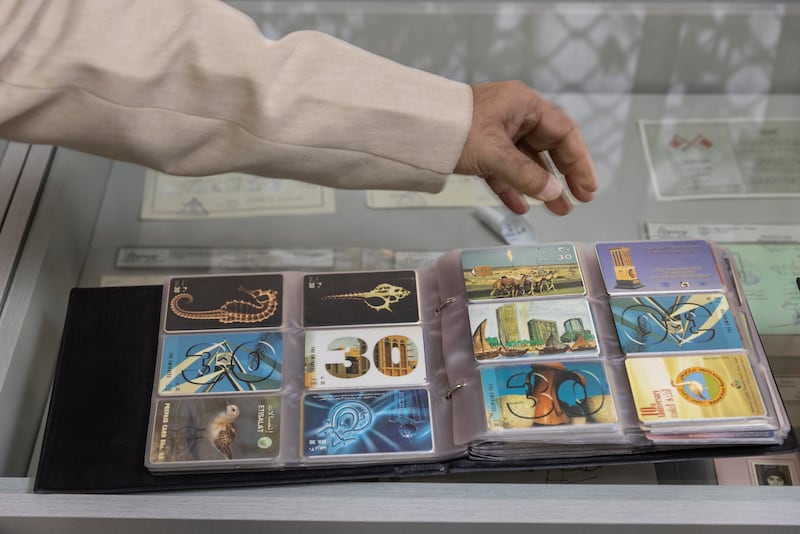
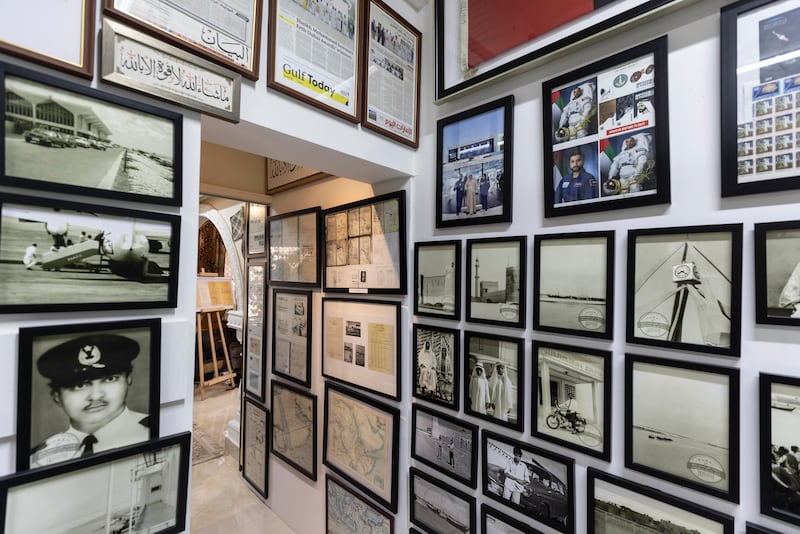
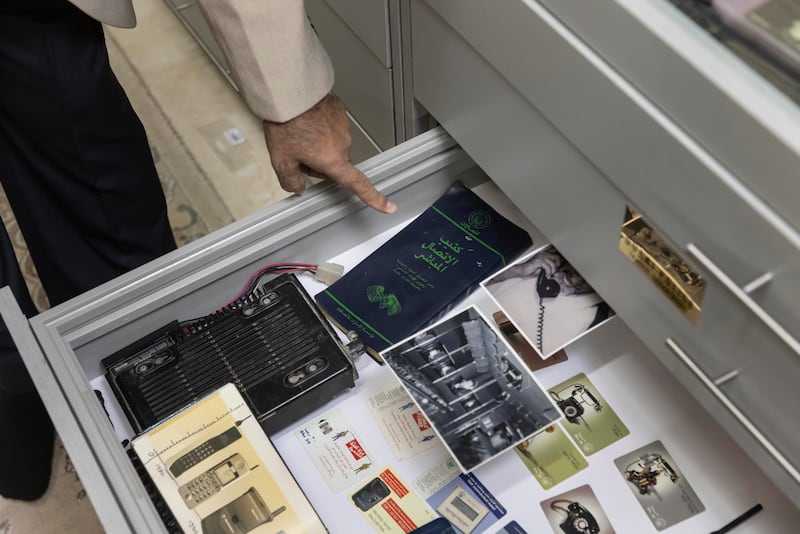
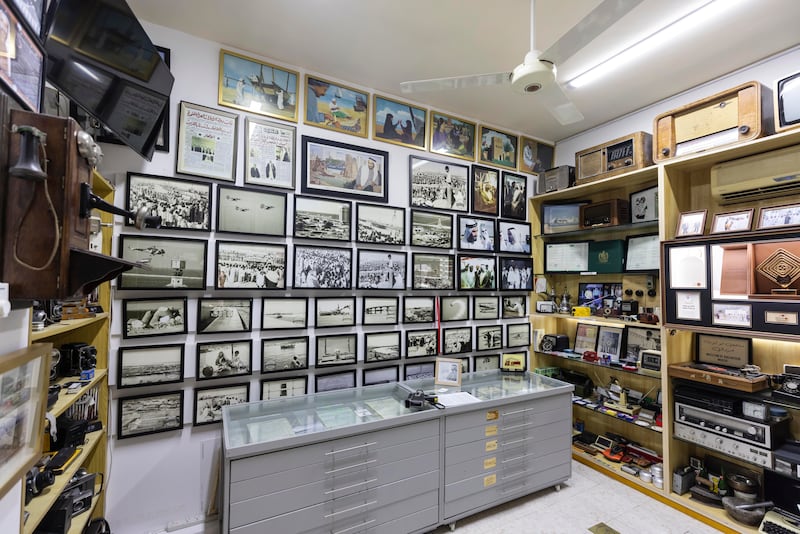
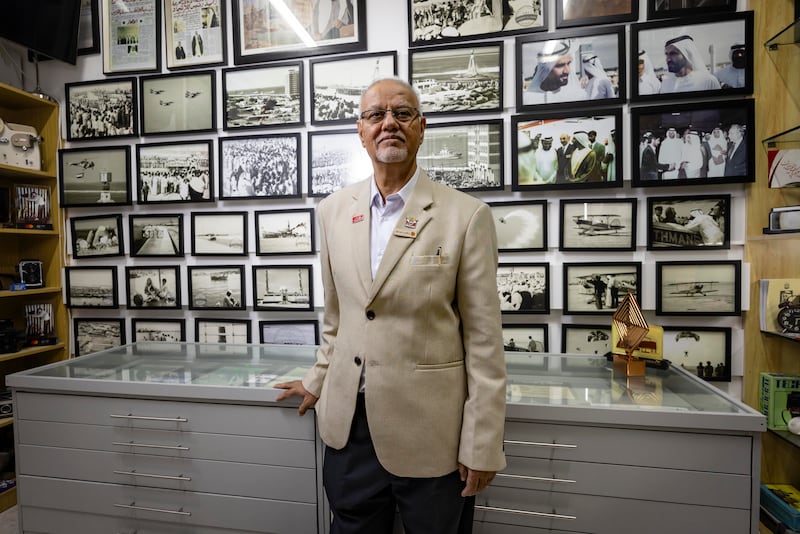
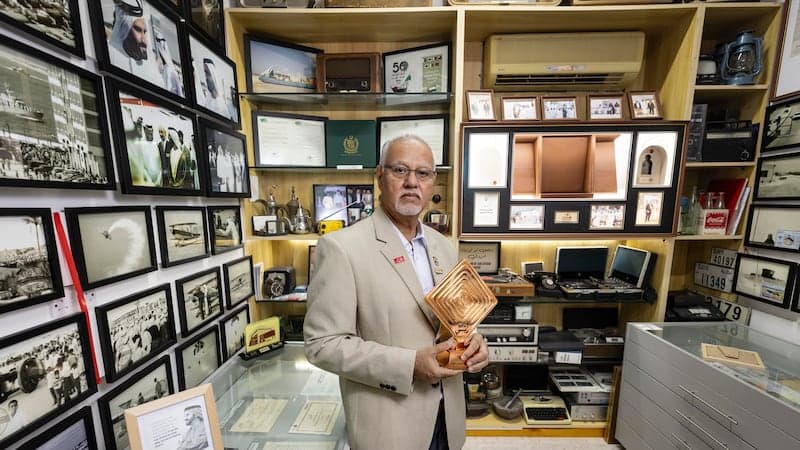
Elderly Dubai resident Shaukat Ali Rana has turned part of his family home in the Mirdif district into a mini-museum dedicated to the history of the Emirates before and after their formation in 1971. The story was reported by The National, which visited the collector's home. The rooms hold old passports, photographs, travel permits, water bills from the 1970s, driving licences, vintage televisions, radios, cameras and record players.
From the Trucial States to the present day
Rana arrived in what was then called the Trucial States in 1968 as a boy, joining his father Rafi, who had taken a position with Pakistan International Airlines. The territory was then under British protection — a period that lasted from 1820 until the formation of the UAE in 1971. According to Rana, there were few roads, travel between the emirates required permits, and television was limited to a few channels. The museum also keeps such passes: leaving Dubai required a permit from the Dubai police, while entering Abu Dhabi required a separate document from the emirate's authorities. One photograph shows Rana on the roof of the family Volkswagen after a five-hour trip across the desert to Abu Dhabi for the air show marking the UAE's first National Day in 1972: there was no road, and the car was driven along the beach, waiting for low tide.
Family business and collection
Rana began organising the archive during the Covid-19 pandemic, turning part of the kitchen into an exhibition space and arranging the materials chronologically — so Dubai's history stretched across seven decades. About 100 documents, including legal papers and currency, were sent to the US for official verification in public records; the collector's son Asad noted that shipping is expensive and carries the risk of losing unique items. Among the exhibits is the original 1958 trade licence for the family business with Rana's uncle Mohammad Sadiq; it bears the same P.O. box, 504504, which the company still uses. The business once connected foreign workers with their families back home through mail and telegrams, then became a photography and printing operation, and today deals in digital printing and the export of digital art. The collection also includes Indian rupees — the currency of the Trucial States, then the Qatari riyal and only later the UAE dirham — as well as commemorative medals, coins and stamps, from the Apollo 14 mission of 1971 to the Emirates' own space programmes.
Recognition and the family's plans
In April, Rana received an Erth Awards honour in the category for the best resident contribution reflecting Dubai's cultural diversity; the presentation was made by Vice President and Ruler of Dubai Sheikh Mohammed bin Rashid together with Crown Prince of Dubai Sheikh Hamdan bin Mohammed. The collector's three sons — Ayub, Timur and Asad — intend to keep expanding the exhibition. The museum can be visited by appointment via Instagram @shaukat.rafi; Asad hopes the museum will be especially useful for newcomers to the UAE who want to learn about the country's heritage. Rana himself says there are more exhibits than space: “I try to pick the best ones, the ones with a story that people can see and touch.”