The key facts
- Energy drinks, sweet sodas, lemon water, isotonic drinks and alcohol cause the most harm to enamel
- After an acidic drink, you shouldn't brush your teeth right away — it's better to wait about an hour
- Enamel erosion develops gradually and often without pain
How to reduce the harm of acidic drinks
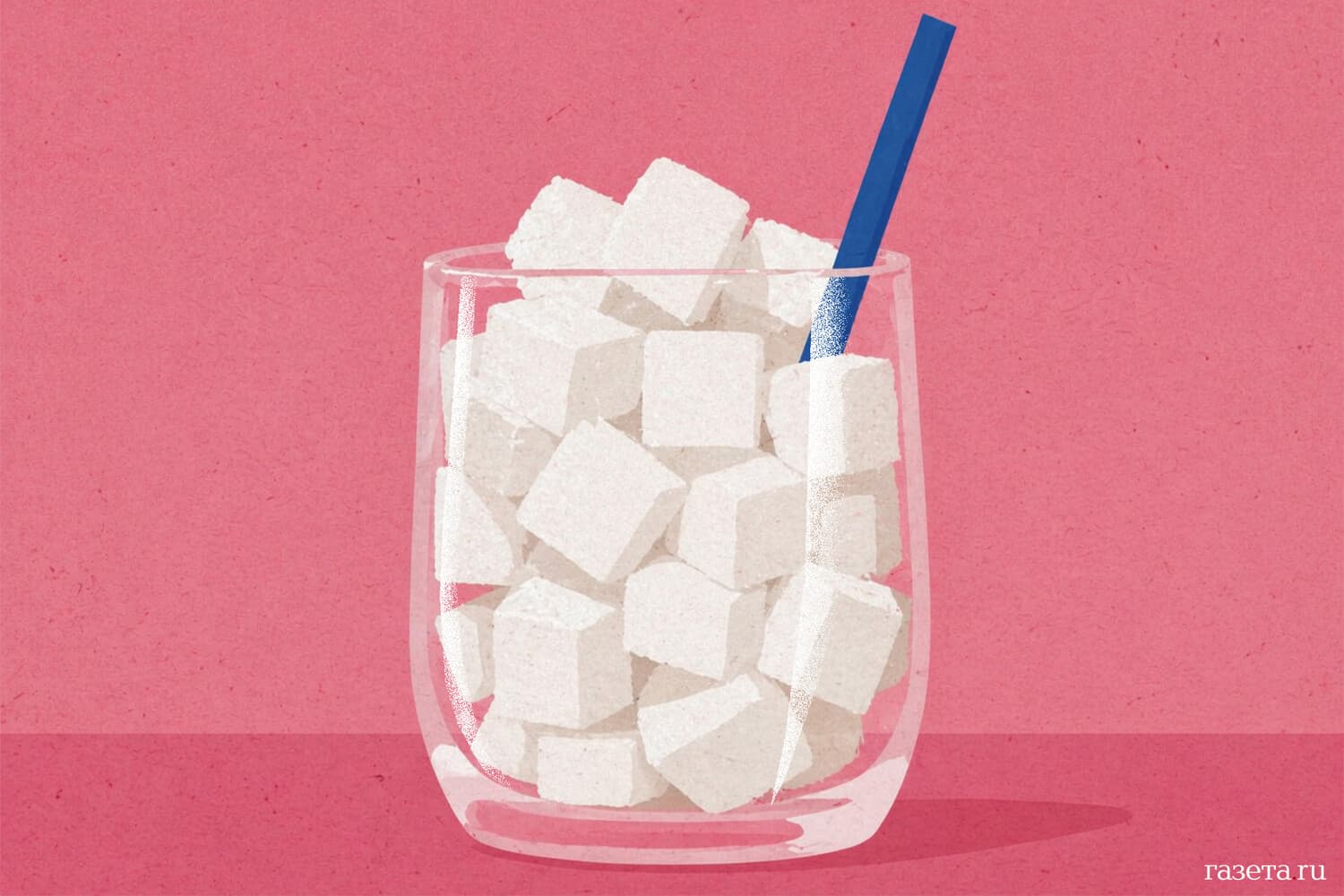
Energy drinks, sweet sodas, lemon water, sports isotonic drinks and alcoholic beverages damage tooth enamel the most. This was stated by dentist, orthodontist-implantologist, chief physician of Avroraclinic and professor Aram Davityan, in an interview with Gazeta.Ru. According to him, there is no need to give up such drinks entirely: what matters is a sensible attitude toward habits. Acidic drinks are best consumed with meals, without stretching them out over several hours, and afterwards the mouth should be rinsed with plain water. A straw reduces the drink's contact with the front teeth, although it does not fully protect them from the effects of acid.
Why you shouldn't brush your teeth right after a soda
The doctor does not recommend brushing your teeth immediately after acidic juice or soda: acid temporarily makes the enamel surface more vulnerable, and the mechanical action of a toothbrush can intensify its wear. It is better to wait about an hour. For everyday thirst quenching, he considers plain water the best choice — still or simply sparkling without fruit additives; regular tea and coffee without sugar are, as a rule, considerably less aggressive to enamel than acidic soft drinks.
Why invisible erosion is dangerous
According to Davityan, enamel erosion develops gradually and is far from always accompanied by pain: at first the teeth may lose their natural shine and become more sensitive to cold or acidic things, then their shape and the translucency of the incisal edges change. A patient often notices the problem only when the changes are already quite pronounced, so the doctor advises paying attention not only to food but also to what a person drinks during the day: sometimes changing a single long-standing habit can significantly reduce the risk of further enamel destruction. Earlier, as the outlet notes, Russians were already told which foods are the most dangerous for tooth enamel.