The key facts
- On 28 October at 8:53, an AVE train collided with the stationary Iryo near Urda in the province of Toledo; 540 people were aboard the two trains
- At 8:30 the LZB system failed on a section of about 63 km; at 8:36 the Atocha control centre authorised the AVE to continue in normal running mode
- Death toll: at least 69 according to one euronews publication, 74 according to another; three days of national mourning have been declared
What happened
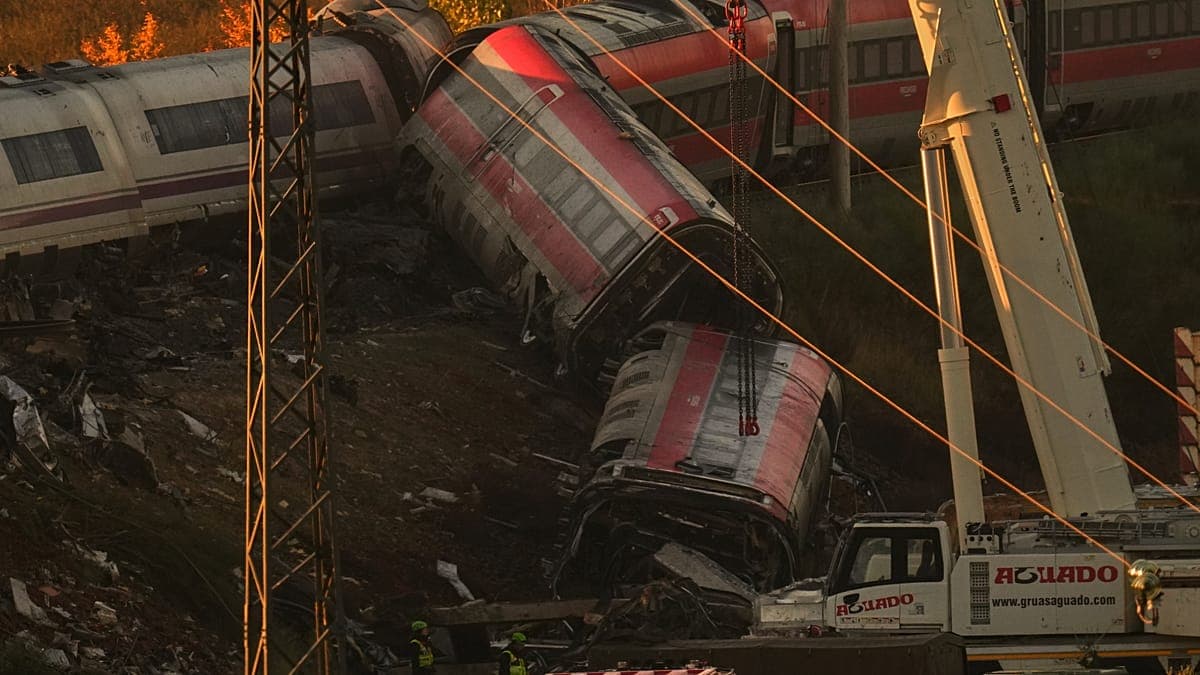
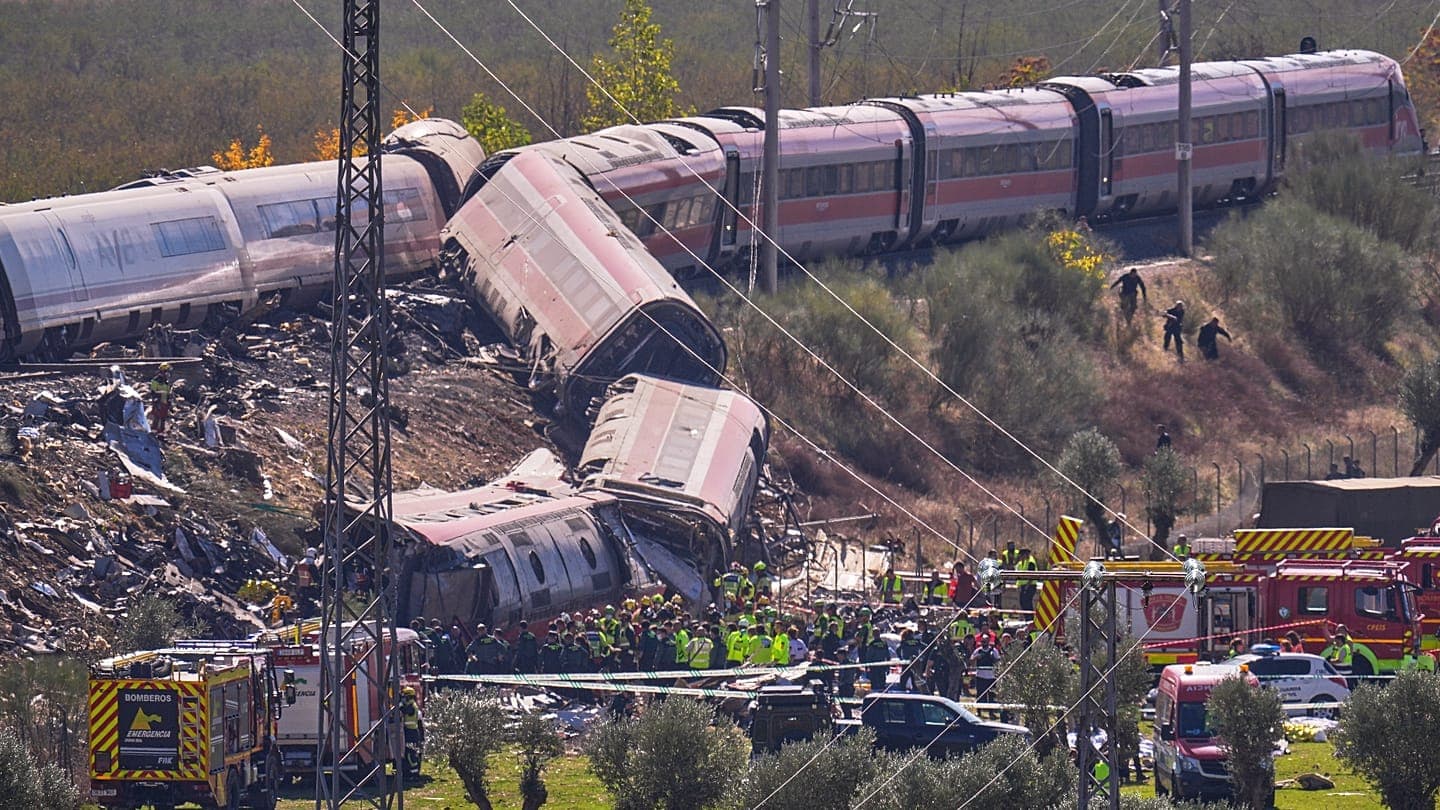
On the morning of 28 October at 8:53, at the 118th kilometre of the Madrid–Seville high-speed line near Urda in the province of Toledo, the Renfe AVE 2080 train, bound for Seville, rammed at full speed into the rear of the stationary Iryo 6076 trainset. A total of 540 people were aboard the two affected trains: 397 passengers on the AVE and 147 on the Iryo, including an infant. According to the Russian-language version of euronews, the death toll has risen to 74, and many people remain in hospital; the English-language publication of the same outlet puts the number of dead at no fewer than 69 with more than 100 injured — the discrepancy in the outlet's figures is not explained.
17 minutes before the collision
The English-language euronews report reconstructs the timeline from recordings of the conversations and data from the transport ministry. At around 8:30, a failure in an IT system disrupted communications and knocked out the LZB safety system on a section of track about 63 km long; the system, in operation on the line since the 1990s, transmits data between the infrastructure and the trains for monitoring movement and safe distances. The failure affected six trains, which stopped or reduced speed. At 8:36 the traffic control centre of the infrastructure operator Adif at Atocha station in Madrid authorised the AVE driver to continue under the block-section system of trackside signalling in 'normal running' conditions — this allowed a significantly higher speed than the 'proceed on sight' regime with a 40 km/h limit. The driver asked for confirmation, and the dispatcher confirmed it. At 8:41 the driver of the Iryo reported that her train was standing before Urda due to the loss of communications — and she too was given permission to proceed. At 8:48 she contacted the centre again, reporting that she could not restart the LZB and that the train remained stationary; according to the recordings published by El País, the AVE was not ordered to stop. Five minutes later, having travelled about 25 km after receiving permission, the AVE crashed into the stationary trainset.
The key question of the investigation
Spain's transport minister Óscar Puente called the control centre's decision 'incomprehensible' and, according to the Russian-language publication, 'utterly baffling', noting that the train should not have resumed movement under such conditions. The experts cited by euronews believe the dispatchers had time to realise the mistake and stop the train. The signalling failure itself does not explain the catastrophe: when the primary system fails, alternative procedures are provided, and the investigation must establish why they did not prevent two trains from occupying the same section of track, whether the dispatchers had full information about the danger, and whether the existing protocols for a signalling failure are adequate. The cause of the crash has not been officially established, and no one has been held accountable pending the completion of the investigations.
Reaction and course of the investigation
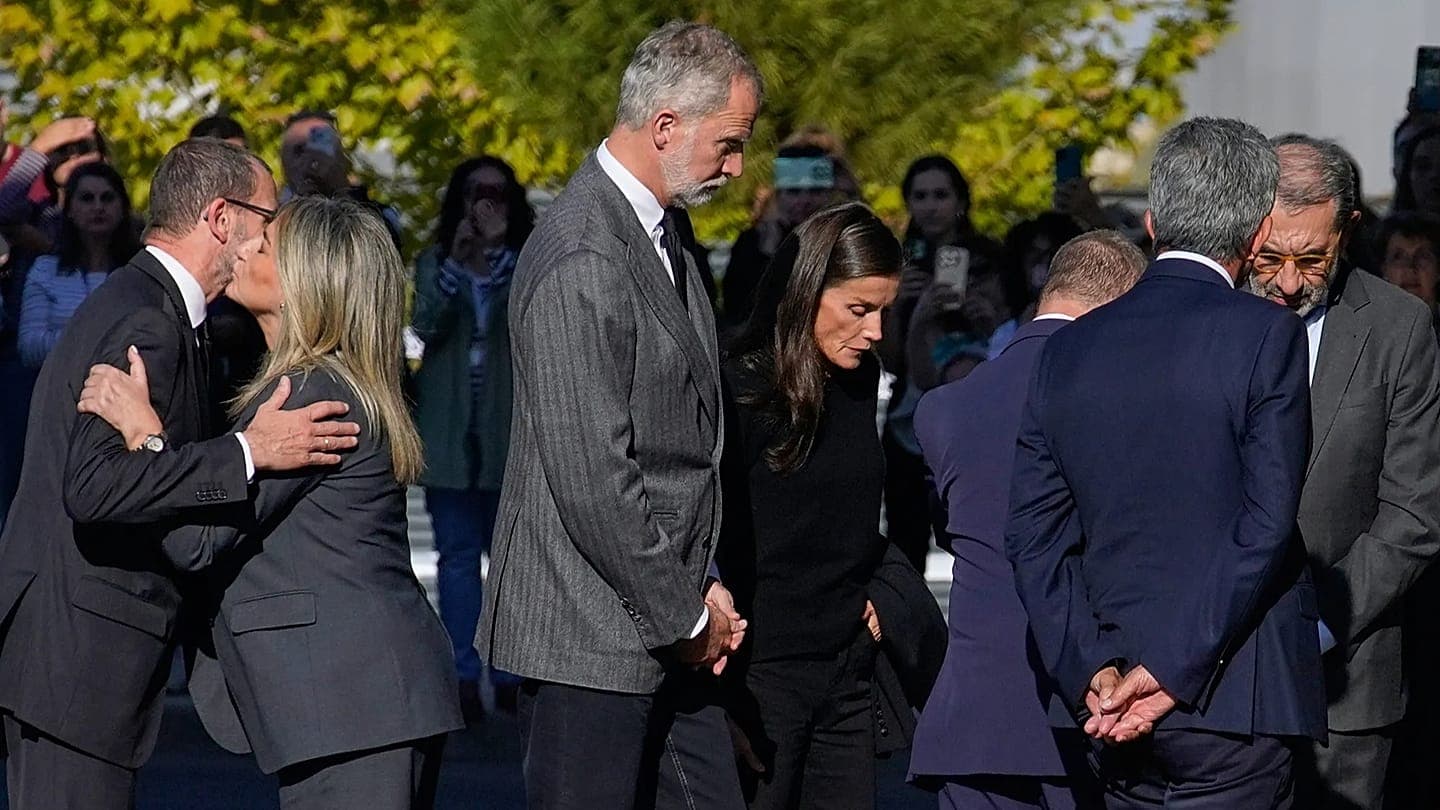
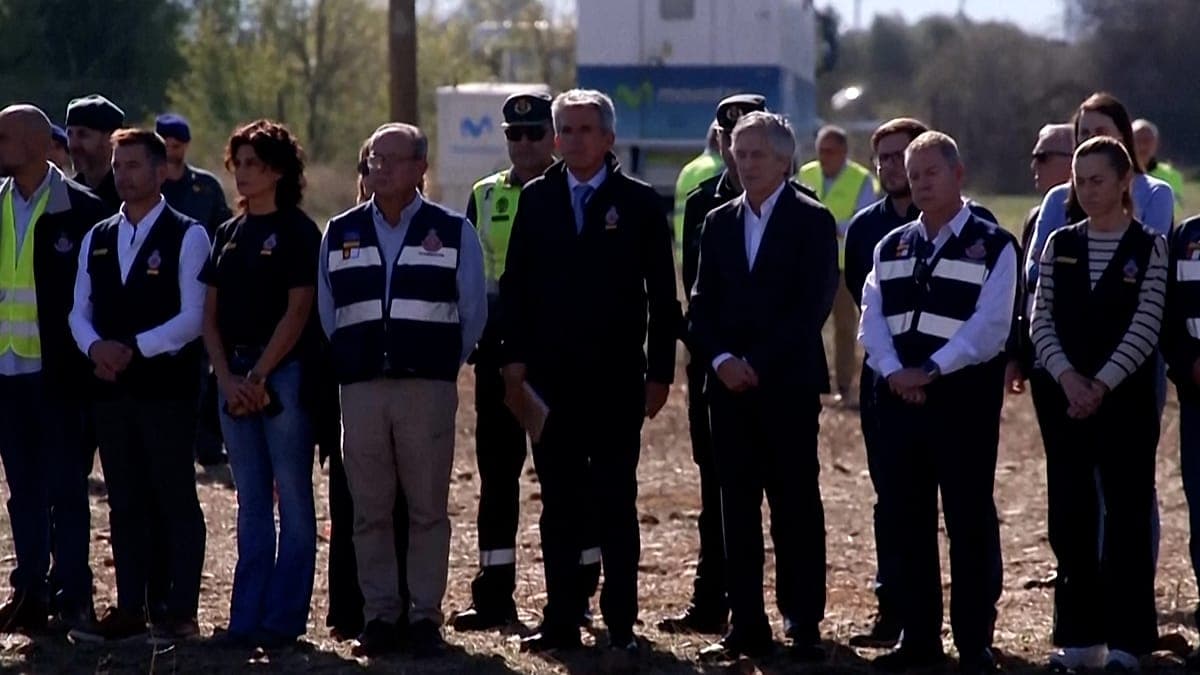
Three days of national mourning have been declared. Prime Minister Pedro Sánchez called for a thorough investigation and for those responsible to be held to account. The train drivers' union announced a strike, and a rally was held in Madrid demanding the transport minister's resignation. According to euronews, the tragedy was the third fatal rail crash in Spain within a year — after the accident in Adamuz (Córdoba) in January 2026, which claimed 46 lives — and it raises questions about the safety of the country's transport network, which has the longest high-speed rail network in the EU. The court of first instance No. 2 in Orgaz (Toledo) has taken over the judicial investigation: access to the two-kilometre area around the crash site has been restricted, removing materials without authorisation is prohibited, and the black boxes of both trains have been seized and are being kept; the judicial police are gathering evidence at the Adif control centre at Atocha, including the conversations and traffic data. In parallel, an independent technical investigation is to establish the causes and develop safety recommendations.