The key facts
- The 13th OTS summit is being held in Ankara on 29–30 October under Turkey's chairmanship
- Uzbekistan is a full member of the organization alongside Turkey, Azerbaijan, Kazakhstan and Kyrgyzstan
- The adoption of the Ankara Declaration, the transfer of the chairmanship from Azerbaijan to Turkey, and the appointment of a new secretary general are expected
Summit in Ankara: format and participants
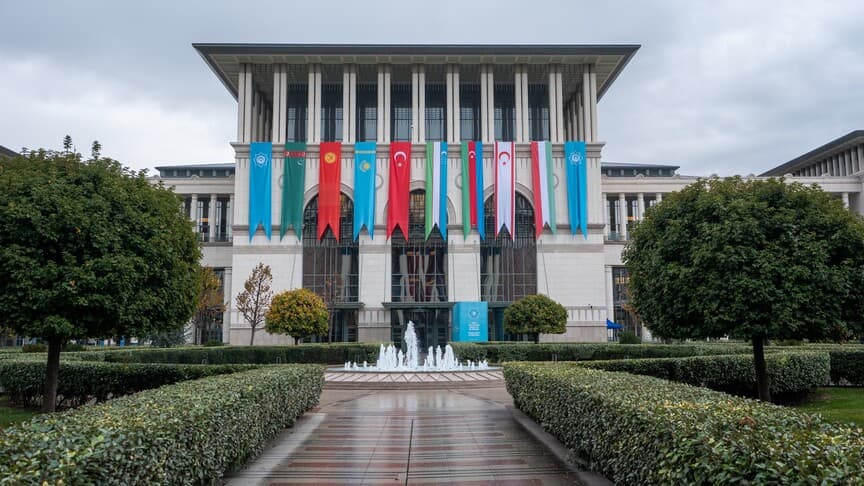
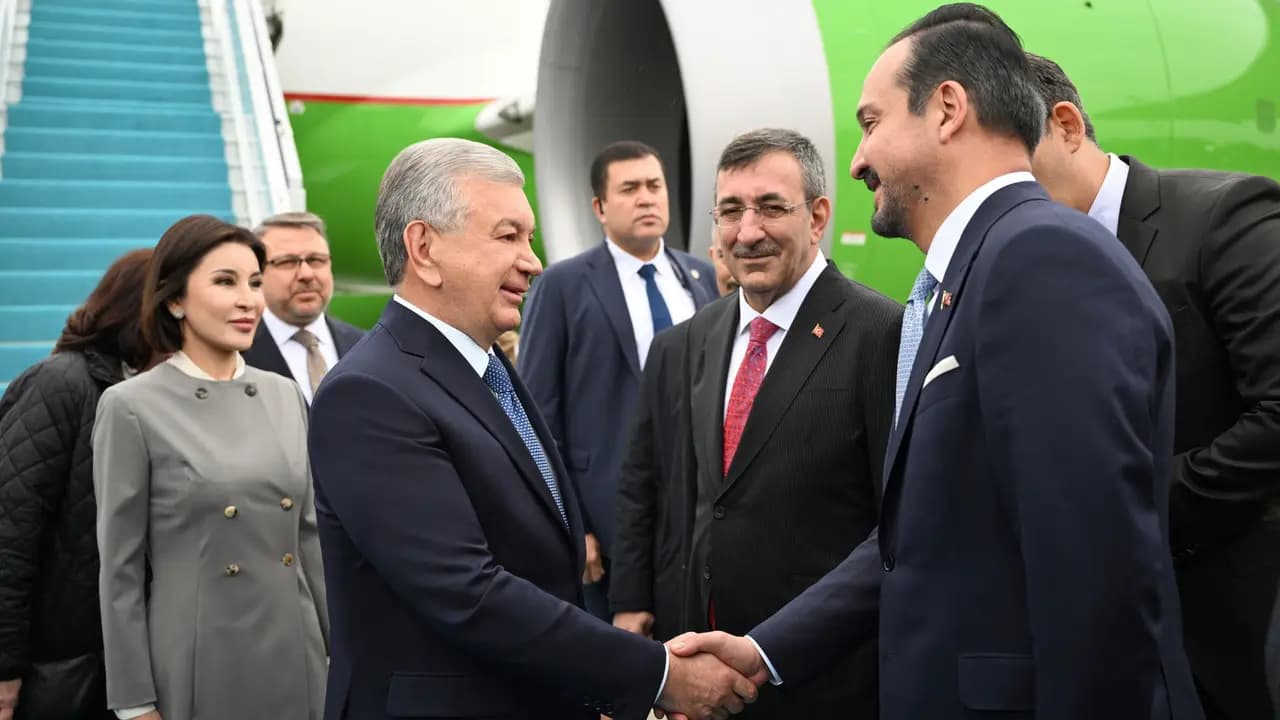
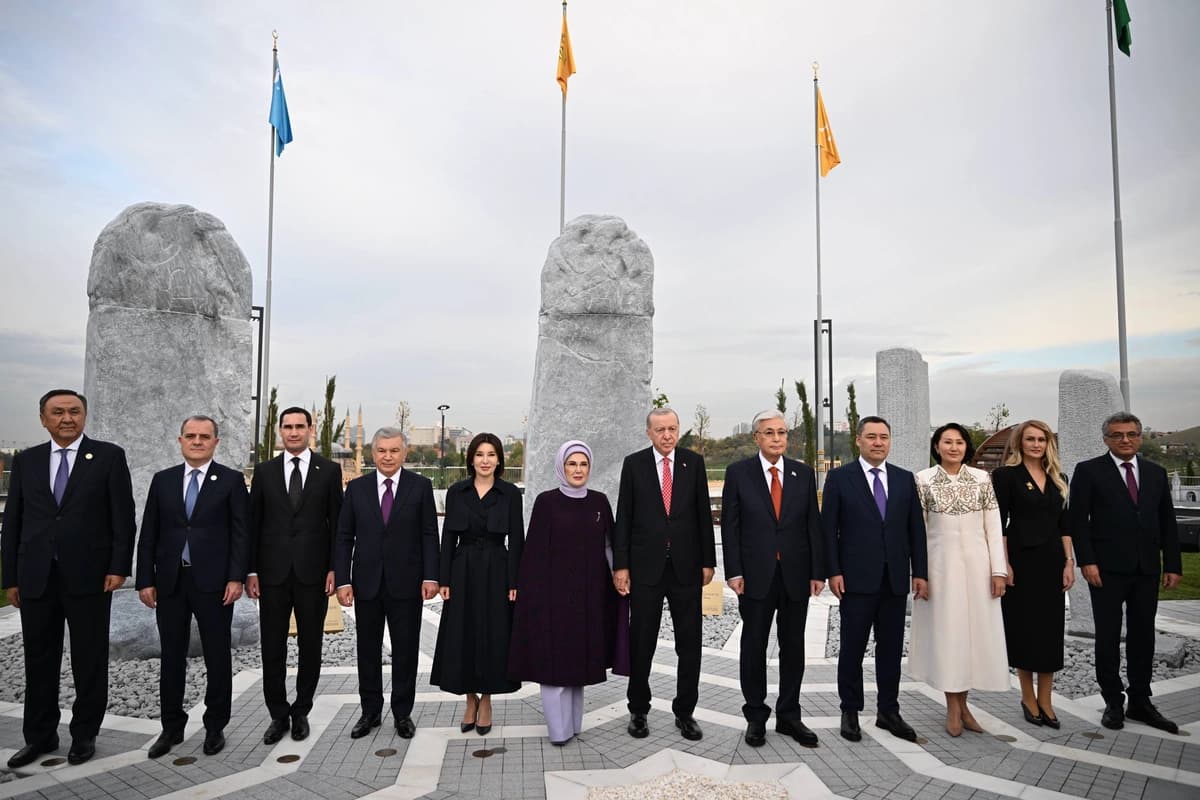
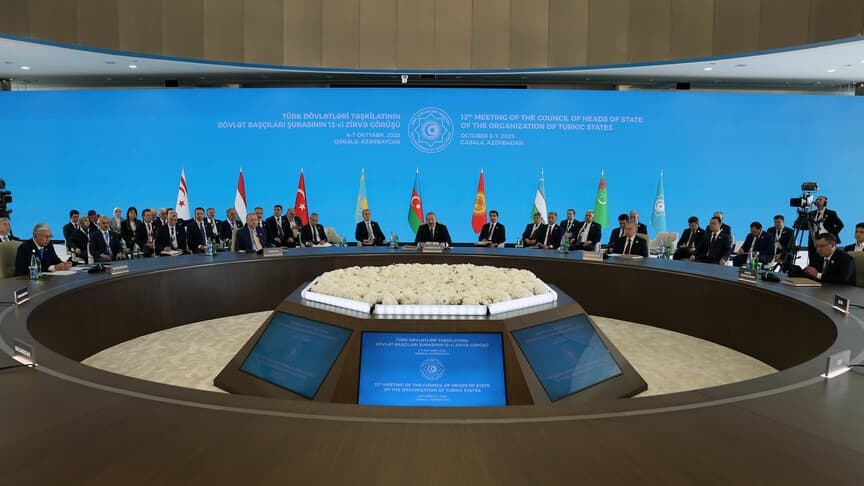
Turkey is hosting the 13th summit of the Organization of Turkic States (OTS), taking place in Ankara on 29–30 October under the motto 'The Turkic Century: Unity in Language, Thought and Deed.' The summit of heads of state will be held on Friday under the chairmanship of Turkish President Recep Tayyip Erdogan, while on 29 October the meeting of the organization's Council of Foreign Ministers opened in the capital, chaired by Turkish Foreign Minister Hakan Fidan. This was reported by Anadolu.
What is on the agenda
Uzbekistan is taking part in the summit as a full member of the organization alongside Turkey, Azerbaijan, Kazakhstan and Kyrgyzstan; observer status is held by Turkmenistan, Hungary, the Turkish Republic of Northern Cyprus and the Economic Cooperation Organization. According to the organization's statement of 24 October, the heads of state are expected to assess progress on priority areas of cooperation, pay special attention to strengthening unity and solidarity, and to developing interaction within the 'Vision of the Turkic World 2040.' The summit will also mark the transfer of the OTS chairmanship from Azerbaijan to Turkey; the appointment of a new secretary general and the organization's strategic priorities for the coming period are also expected to be discussed. The adoption of the Ankara Declaration and a series of decisions aimed at deepening cooperation and strengthening the OTS institutional structure is anticipated.
What experts expect and what it means for the organization's members
According to Anadolu, experts expect the summit to deliver results primarily in the economy and transport. Turan Gafarli of the Baku-based Topchubashov Center emphasized the growing strategic importance of the Middle Corridor, which, in his words, opens a 'historic opportunity' for closer economic interconnection among the Turkic states, but requires steps including the expansion of mutual trade. Shairbek Dzhuraev, president of the Crossroads Central Asia research institute in Bishkek, noted that the most noticeable progress has been achieved precisely in the economic sphere, especially in transport and transit: the development of the Trans-Caspian International Transport Route depends on harmonizing tariffs and simplifying customs procedures, and the results are measurable in the time and cost of cargo transportation. He named digitalization as the second promising area — the theme of the informal OTS summit in Turkistan in southern Kazakhstan in May. In his view, the most significant outcome of the Ankara summit would be the setting of concrete timelines and mechanisms for implementing decisions already adopted, primarily on transport and trade. For Uzbekistan as a member of the organization, these areas — transit corridors and trade — directly affect the country's logistical and economic interests. A separate initiative was announced at a press conference in Ankara by Kursad Zorlu, deputy chairman of Turkey's ruling AKP party for relations with Turkic states: footballers from Turkic states may be granted 'domestic' rather than foreign-player status in each other's leagues, which is intended to build a football ecosystem of the Turkic world.