The key facts
- The wild Sievers apple tree from the Tien Shan is the ancestor of modern cultivated apples: genetic material of the species was found in 46% of more than 10,000 analysed varieties
- Almaty is traditionally associated with the word 'alma' — 'apple'; the famous local Aport variety lives 40–70 years compared with 250–300 years for the wild apple tree
- More than 200 tonnes of apples were brought to this year's Alma Fest; in spring, the Sievers apple blossom festival takes place in the Zhetysu region
Wild forests — the ancestors of all apples
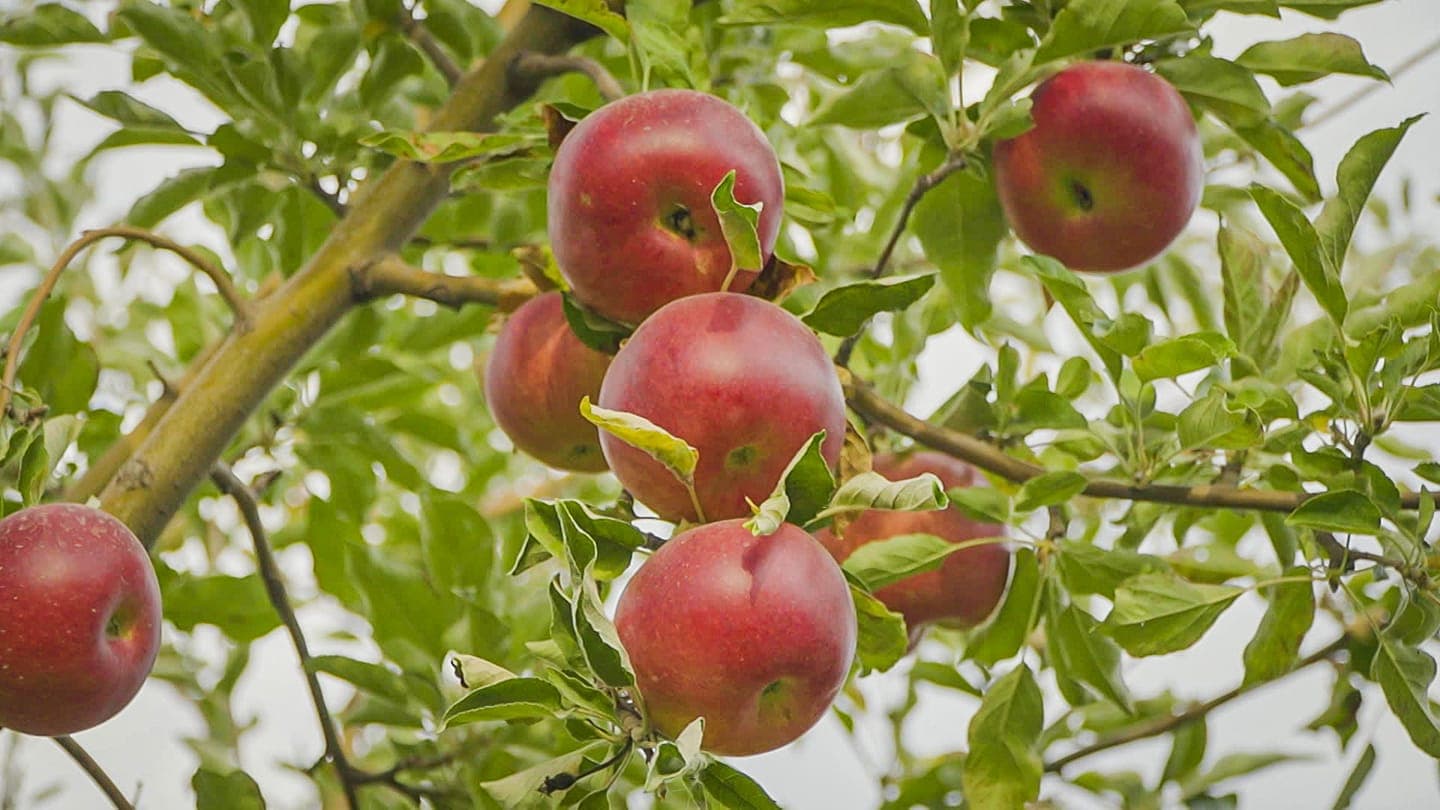
The Tien Shan mountains, stretching from south-eastern Kazakhstan to Kyrgyzstan, are the homeland of the wild Sievers apple tree (Malus sieversii), which genetic research identifies as the ancestor of all modern cultivated apples. As Euronews reports, two wild species played a role in the formation of modern varieties: the Central Asian Sievers apple and the European wild apple (Malus sylvestris). The species is named after the German botanist Johann August Carl Sievers, who described the region's wild apple forests in the 18th century.
From Vavilov to genetics
Doctor of Biological Sciences Gulnara Sitpayeva recalled that in the 1930s Nikolai Vavilov studied the forests of Central Asia and established that Kazakhstan is the homeland of the Sievers apple tree. According to her, in one study scientists analysed more than 10,000 cultivated apple varieties and found genetic material of the Sievers apple in 46% of the samples — this became one of the confirmations that this species is the ancestor of modern cultivated apples. Seeds were first carried along the slopes of the Tien Shan by birds and animals, and later wild apples were transported and traded by people, including along the Great Silk Road.
The city of apples and the Aport variety
In the Kazakh language, 'alma' means 'apple', and the name Almaty is traditionally linked to an area rich in apple trees. Apple motifs can be found throughout the city — in the decoration of buildings, sculptures, murals and public spaces. Over time, orchards and famous varieties appeared in the region, the most famous of which is Aport, developed through selective breeding and renowned for its large fruit and distinctive aroma. Farmer Ivan Sergeyev, who has been growing Aport for almost 20 years, compared its aroma to French perfume and noted that, because of its delicate skin, the harvest is picked by hand. He also cited a practical difference between the two apple trees: the wild Sievers apple is a natural species that lives 250–300 years, whereas Aport lives roughly 40–70 years.
The apple as a tourist attraction
Today the apple orchards around Almaty have become a place of leisure: during the harvest season, farms welcome visitors who stroll among the trees and pick apples themselves. Every year the city hosts the Alma Fest harvest festival, where apples are presented as freshly squeezed juices, dried slices, jam and other products; this year farmers brought more than 200 tonnes of apples to the celebration. The blossoming of the Sievers apple tree, which is often compared to Japan's cherry blossom season, is celebrated with a separate spring festival in the Zhetysu region — featuring yurts, exhibitions of national crafts, workshops and traditional sports.