The key facts
- On 27 October, the Legislative Chamber approved in the first reading a draft law with a norm capping the penalty at the amount of the unpaid tax
- Currently, the penalty is accrued for each day of delay as 1/300 of the Central Bank's refinancing rate, with no cap on the total amount
- The draft also proposes automatic lifting of bank account blocks and abolition of the fee when paying taxes through payment systems
What the deputies approved
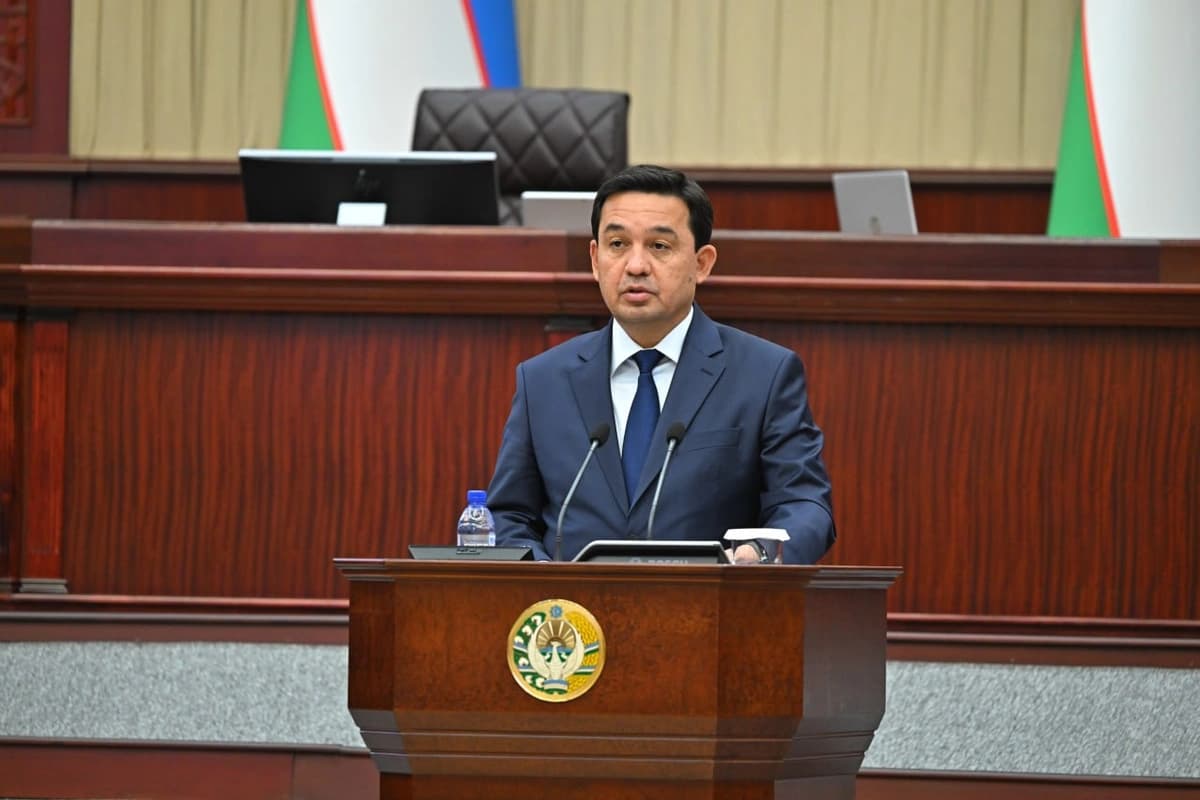
On 27 October, the Legislative Chamber of the Oliy Majlis approved in the first reading a draft law on supporting entrepreneurs that contains changes to tax administration. As Akhadbek Khaydarov, Deputy Minister of Economy and Finance, reported while presenting the document, it includes a rule under which the penalty accrued on a tax amount not paid on time must not exceed the amount of the unpaid tax itself. According to Gazeta, discussion of introducing such a norm took place with the president as early as the beginning of May.
How the penalty is calculated now
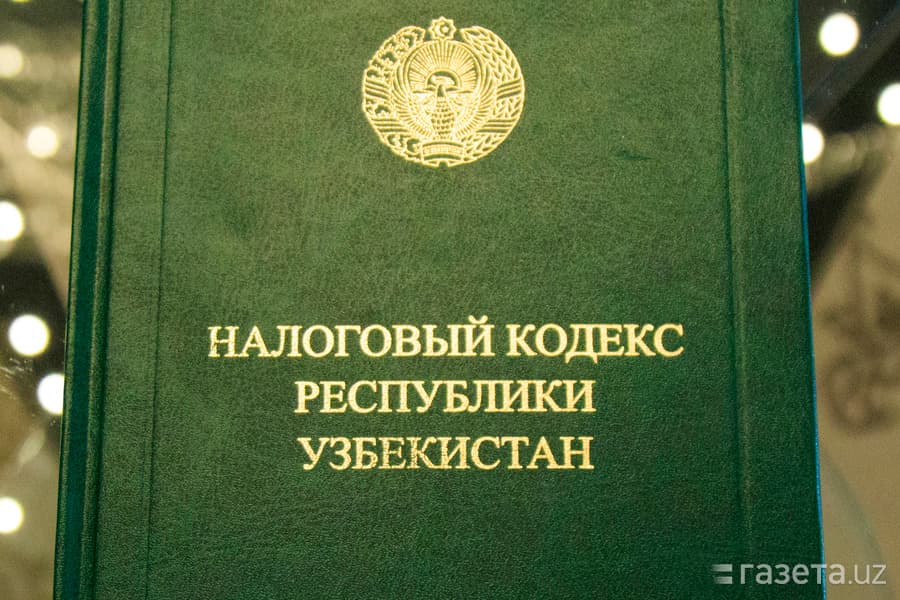
Under the current Article 110 of the Tax Code, a penalty is accrued for each calendar day of delay starting from the day following the payment deadline, in the amount of 1/300 of the current refinancing rate of the Central Bank on the amount of the unpaid tax. At a rate of 14% and a debt of 10 million soums, the daily penalty is about 4,667 soums; accrued penalties themselves are recognized as tax debt and can be collected compulsorily. At the same time, the current 2019 code contains no general cap on the total penalty at the amount of the principal debt — although the 2007 Tax Code did contain such a norm (Article 120), it was not retained when the new version was adopted. Thus, the draft law essentially proposes to restore a restriction that existed earlier.
Other changes in the draft law
The draft also provides for the tax authorities to automatically lift the suspension of transactions on a taxpayer's bank accounts if the taxpayer has submitted the requested explanations or an amended report following a desk audit; the Legislative Chamber links this measure to reducing administrative restrictions for business. In addition, it is proposed to abolish the fee when paying taxes through payment organizations and payment systems, expand the electronic services of the taxpayer's personal account using the information systems of other state bodies, clarify the procedure for registering real estate lease agreements at the location of the property, and expand accelerated VAT refunds for large taxpayers.
What comes next
The document has passed only the first reading and, before entering into force, must go through the subsequent stages of the legislative process, so the listed norms remain proposals rather than rules in effect. Separately, we recall: by a presidential decree of 27 August 2026, an economic amnesty called 'Second Chance' has already been declared for small and medium-sized businesses — it allows writing off accrued penalties upon full repayment of the relevant tax debt by 31 December 2026, subject to the established conditions. Unlike the one-time amnesty, the proposed norm would be of a permanent nature, but its fate depends on the draft law passing the remaining readings.