The key facts
- Trade turnover between Russia and Egypt grew by 14% over the first eight months of 2026; in 2025 it exceeded $10 billion for the first time
- Construction of the El-Dabaa nuclear power plant is on schedule; el-Sisi expressed interest in new power units after 2030 and in small reactors
- The Russia–Africa summit is expected to adopt a declaration and an action plan of the forum for 2027–2029
Putin and el-Sisi meet at the Russia–Africa summit
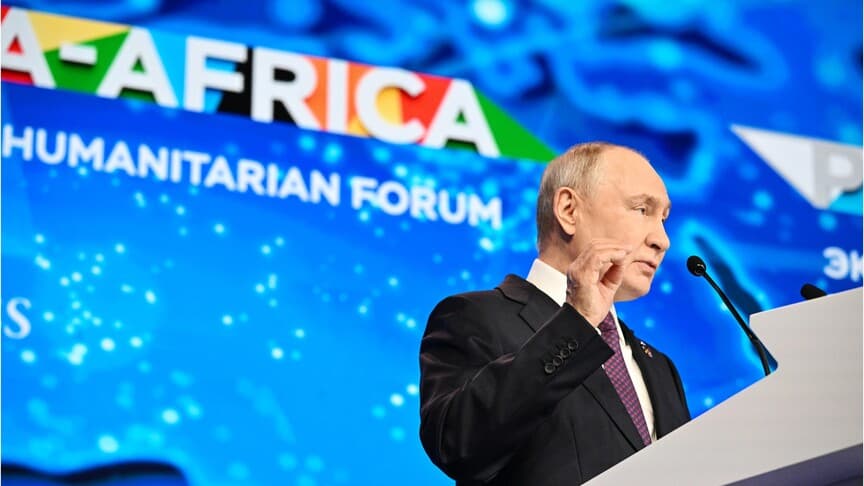
On October 28 in Moscow, Russian President Vladimir Putin met with Egyptian President Abdel Fattah el-Sisi on the sidelines of the two-day Russia–Africa summit, which began the same day. According to the Anadolu agency, Putin said that trade turnover between Russia and Egypt is 'growing steadily' despite regional tensions: over the first eight months of 2026 it increased by 14%, and in 2025 it exceeded $10 billion for the first time, reaching a record level.
Summit context and trade figures with Africa
In his opening remarks, Putin recalled that since 2022 Russia's total trade turnover with Africa has grown by 50% and exceeded $27 billion, with Egypt accounting for a significant share of it. He also referred to his recent contact with el-Sisi on the sidelines of the BRICS summit in New Delhi and named the Agreement on Comprehensive Partnership and Strategic Cooperation as the foundation of bilateral relations. The summit's plenary sessions, where new areas of cooperation are expected to be outlined, are scheduled to take place on Thursday.
The El-Dabaa nuclear power plant and plans to expand nuclear cooperation
Putin called the construction of the El-Dabaa nuclear power plant in Egypt the key joint project, saying it is proceeding on schedule: on July 9 a ceremony was held to install the reactor vessel of the second power unit. El-Sisi confirmed that El-Dabaa remains the most significant initiative of bilateral cooperation, declared his commitment to the established deadlines and to 'comprehensive efforts' to fulfill payment obligations, and expressed hope for the Russian president's support in keeping to the schedule.
What Egypt proposes next
El-Sisi outlined his intention to expand cooperation primarily in the economy and trade, as well as in grain supplies. In addition to the possibility of installing new power units after 2030, building a research reactor and a testing center, he mentioned interest in cooperation on small reactors, including floating nuclear power units, and in deepening partnership in uranium and rare metals mining.
Meeting with Ethiopia and summit outcomes
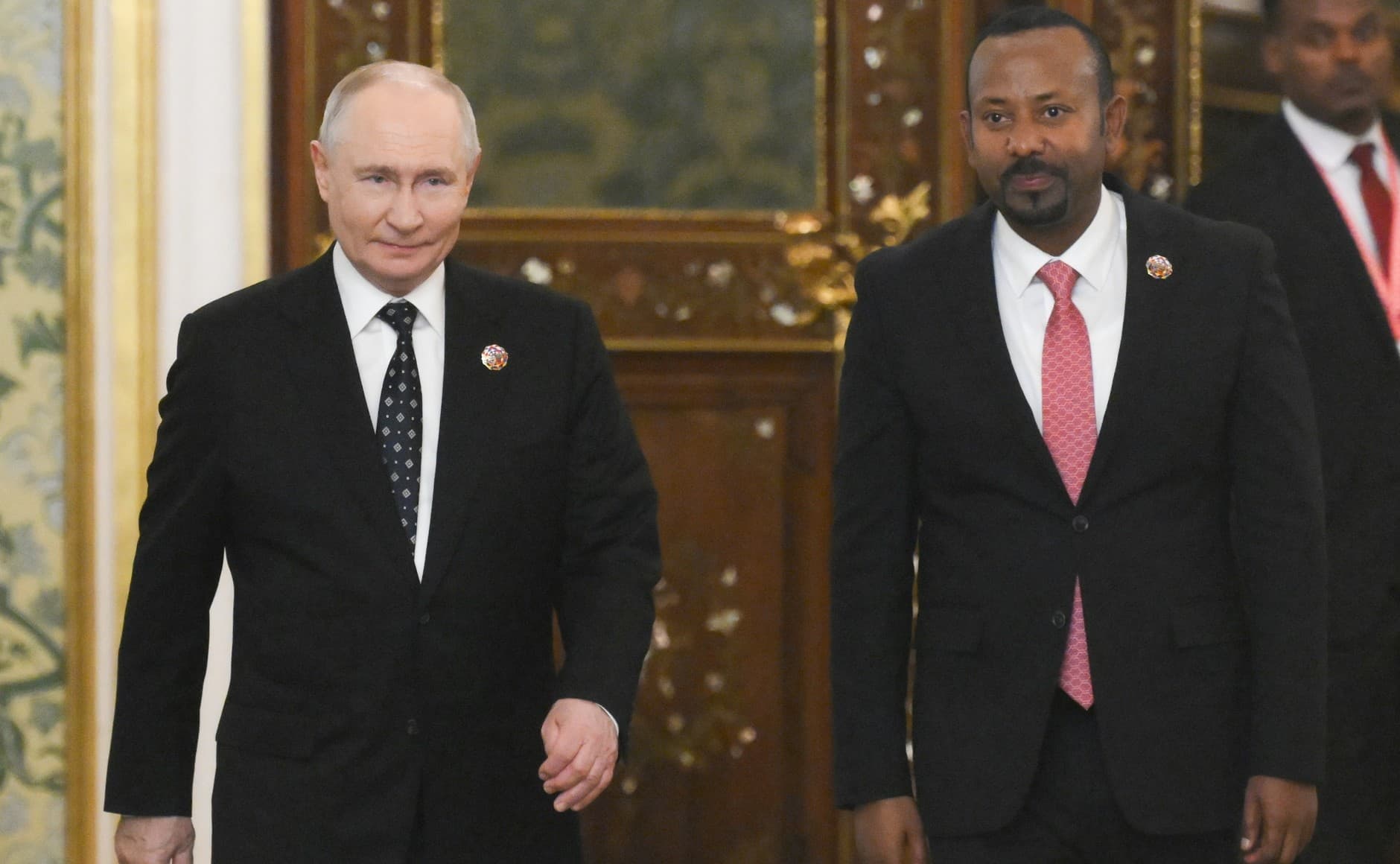
That same evening, Putin met with Ethiopian Prime Minister Abiy Ahmed. According to a statement quoted by the Kremlin, Russia 'fully supports' Africa's transformation into one of the key centers of the new multipolar world order; Ahmed proposed formalizing an agreement on nuclear cooperation as a priority area, noting the need to resolve issues of financing and training Ethiopian engineers and regulators, and also expressed interest in expanding Ethiopian exports to Russia. According to Putin, the summit will conclude with the adoption of a declaration and a new action plan of the Russia–Africa Partnership Forum for 2027–2029.