The key facts
- Pediatrician Ekaterina Belkina linked declining school performance to possible illnesses: anemia, thyroid disorders, diabetes, and sleep, vision and hearing problems.
- The doctor stressed that iron supplements should not be given without a confirmed deficiency, and that ADHD and learning disorder diagnoses are not made based on grades alone.
Fatigue at school is not always a sign of laziness
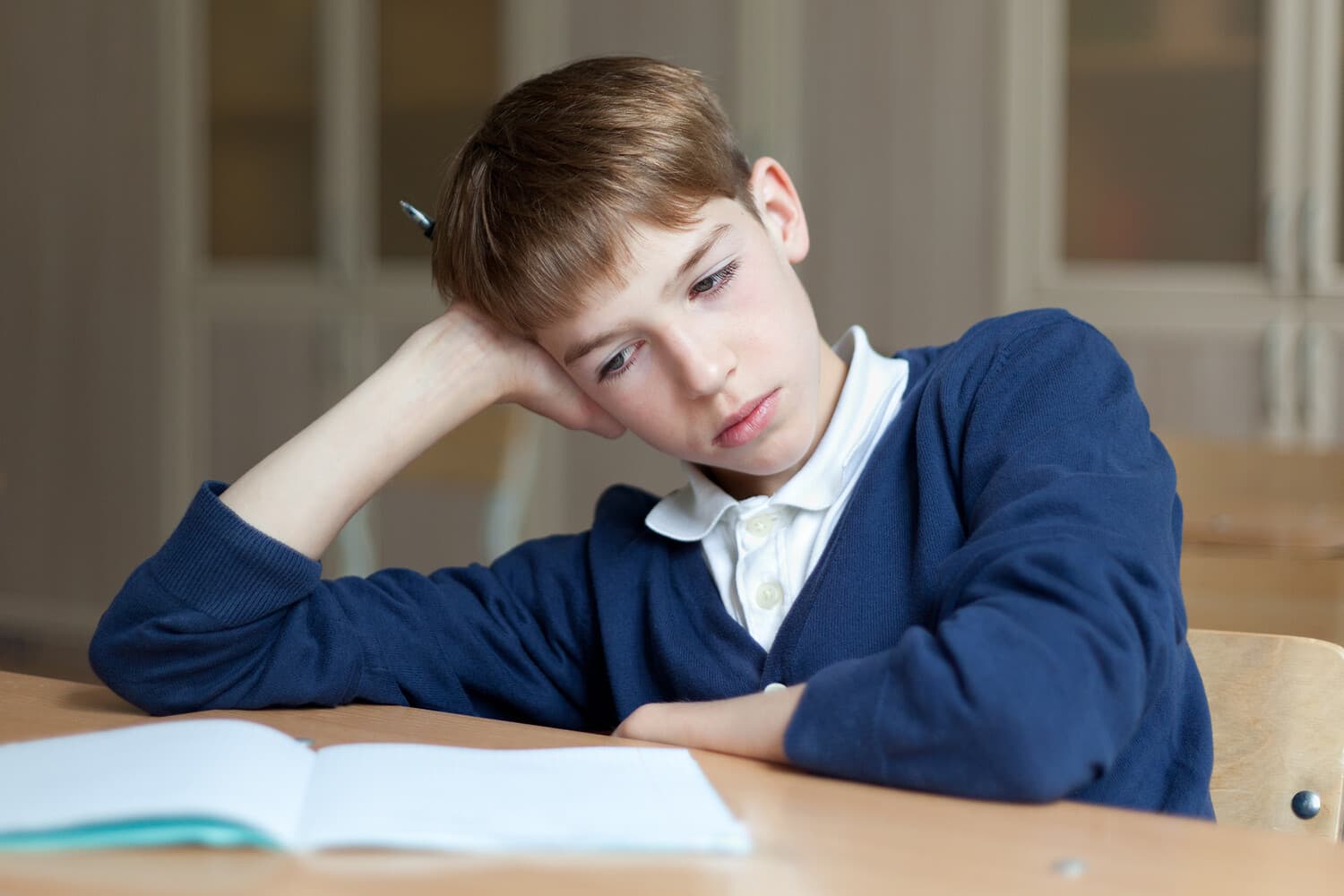
Declining grades and constant fatigue in a schoolchild are not always linked to laziness — behind them may lie overload, lack of sleep, anxiety, conflicts with peers, and sometimes illnesses. This was stated by pediatrician and endocrinologist at SM-Clinica for Children Ekaterina Belkina in an interview with Gazeta.Ru.
Sleep, anemia and the thyroid gland
First of all, according to the doctor, sleep needs to be sorted out: late bedtimes, a phone at night and early wake-ups lead to daytime sleepiness and worsening memory and attention. Sleep can also be disrupted by snoring, enlarged adenoids or obstructive apnea — if a child snores loudly, breathes through the mouth and wakes up exhausted, it is worth seeing a doctor. Constant weakness may hide iron deficiency or anemia: additional signs include pallor, headaches, dizziness, shortness of breath on exertion and poor appetite; the risk is higher with restrictive diets and heavy periods in adolescent girls. At the same time, Belkina emphasized, a child should not be given iron supplements without a confirmed deficiency. Fatigue and concentration problems also occur with thyroid diseases — warning signs may include changes in body weight, feeling cold or intolerance of heat, dry skin, palpitations, constipation and irritability.
Diabetes, vision, hearing and emotional state
“Thirst, frequent urination, weight loss and weakness require a glucose test, since this is how diabetes can begin,” the endocrinologist added. Chronic illnesses can also affect school performance, including poorly controlled asthma, allergies and frequent infections. Sometimes a child is tired because they cannot see the board well or cannot fully hear the teacher, so when grades decline it is important to check vision and hearing — especially if the schoolchild squints, asks for things to be repeated, turns up the volume or complains of headaches. Separately, the doctor advised assessing the child's emotional state: anxiety disorder or depression in children can manifest not only as sadness but also as irritability, sleep disturbance, stomach or headaches, withdrawal from social contact and loss of interest in studying. Difficulties may also be related to attention deficit hyperactivity disorder or specific learning disorders, but such a diagnosis, Belkina noted, is not made based on school grades alone — a comprehensive assessment is required.
Context
Earlier, as the outlet notes, a psychologist explained why a child might deliberately get bad grades. The practical point of the pediatrician's recommendations is that declining grades are a reason for a step-by-step check of health (sleep, lab tests, vision, hearing, emotional state), and not only for remarks about schoolwork; moreover, some causes, such as iron deficiency, require confirmation by examination before treatment begins.