The key facts
- Dutch Foreign Minister Tom Berendsen announced EU work to protect ICC independence after US sanctions
- The sanctions were imposed on October 9, hours after former ICC judge Navi Pillay was awarded the Nobel Peace Prize
- The ICC called the sanctions a blow to the rule of law and urged member states to ensure its operation
Brussels discusses support for the court
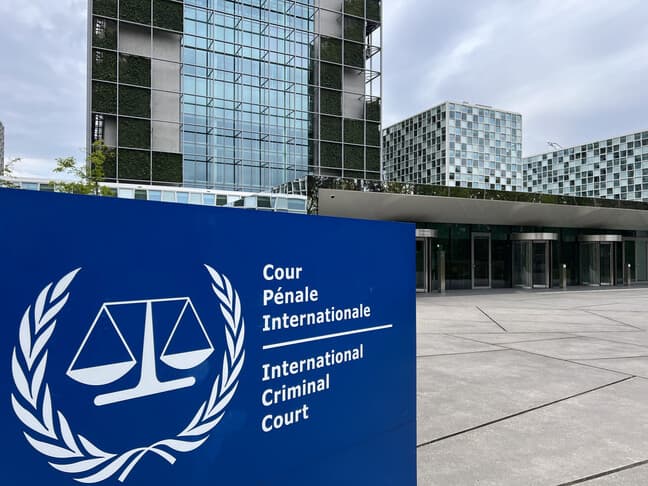
The Netherlands and its European Union partners are working to protect the independence of the International Criminal Court amid American sanctions. This was stated by Dutch Foreign Minister Tom Berendsen in a post on the X platform: “Together with our EU partners, we continue working to protect the independence of the ICC in the face of sanctions.” According to him, he discussed with European Commissioner Maria Luís Albuquerque the role of the European Commission in supporting the court and stressed the importance of European operators continuing to serve the ICC.
Context of the sanctions
The United States imposed sanctions on the ICC on October 9 — just hours after former court judge Navi Pillay was announced as a laureate of the 2026 Nobel Peace Prize. The court itself firmly rejected the sanctions, calling them a blow to the rule of law, and called on member states to take measures to ensure its continued operation. Pillay, a South African jurist, served on the ICC Appeals Chamber from 2003 to 2008 and received the prize for her contribution to international criminal justice.
Background of the pressure
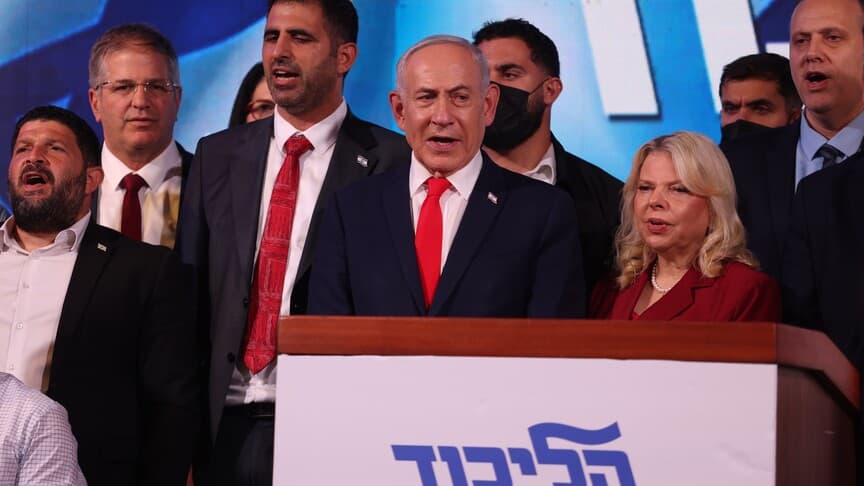
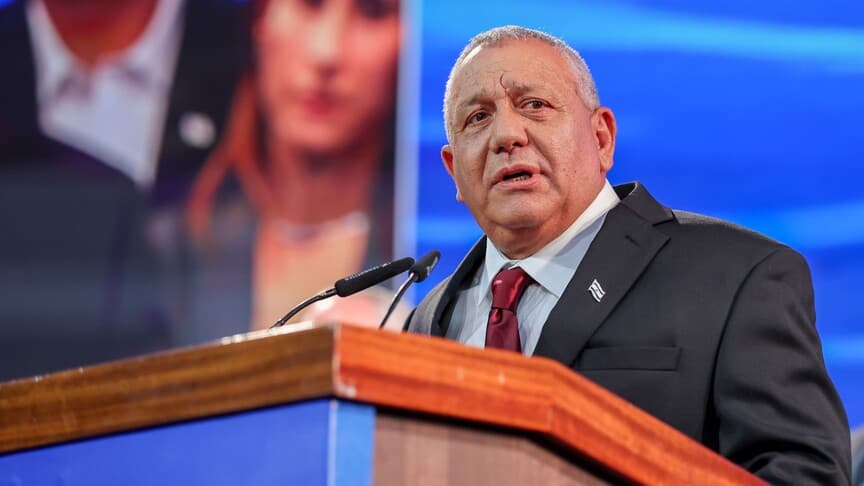
According to Anadolu, the sanctions are a continuation of Washington’s intensified pressure on the court after the ICC issued arrest warrants in November 2024 for Israeli Prime Minister Benjamin Netanyahu and former Israeli Defense Minister Yoav Gallant on suspicion of war crimes in Gaza. Earlier, in August, Washington had already imposed sanctions on the court’s judges and prosecutors, including its president Tomoko Akane.