The key facts
- On October 28, in his address to the nation, Tokayev proposed discussing a higher rate for holders of large fortunes
- The government and the Kurultai (according to Gazeta — and parliament) have been instructed to study the issue and submit proposals
- Since 2026, Kazakhstan has already had a progressive scale: 10% up to 36 million tenge per year and 15% on the excess
The proposal in the address to the nation
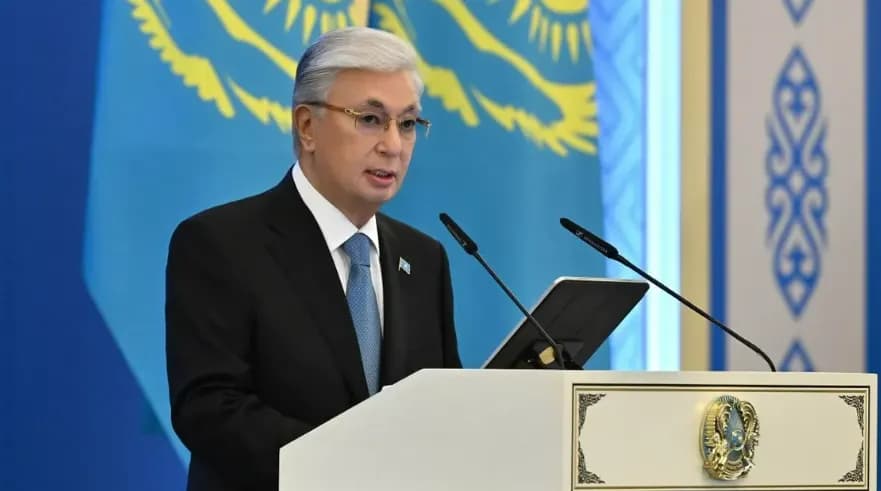
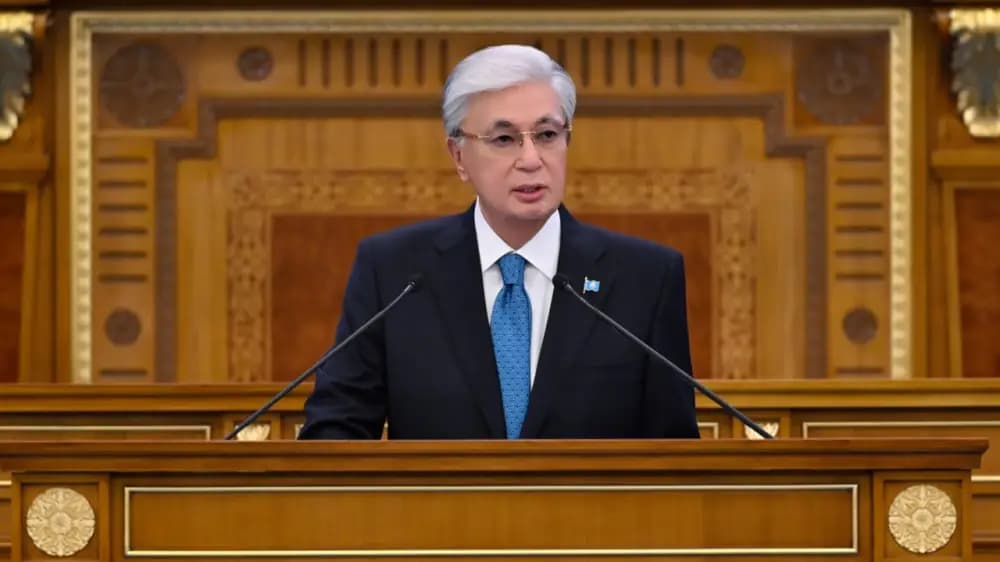
President of Kazakhstan Kassym-Jomart Tokayev, in his address to the nation on October 28, proposed discussing the introduction of a higher tax rate for citizens with large fortunes. “I believe the time has come to discuss introducing a higher rate for holders of large fortunes,” he said, according to a report by Gazeta.uz. The press service of the head of state reported the same on its channel.
What the president said and what was instructed
Tokayev stressed that this is not about restricting legally acquired assets — that would contradict the Constitution; the issue, in his words, concerns a proportionate and fair contribution of every citizen to the development of the country. The government and the Kurultai have been instructed to study the issue and submit proposals; Gazeta.uz writes about an instruction to the government and parliament. The president also instructed to amend the new Tax Code, eliminating contradictions, ambiguous interpretation of norms and excessive burden on entrepreneurs: “The Tax Code is not a dogma, not a sacred scripture, and it must not be detached from reality.”
Context: the current scale and digitalization
As Tengrinews.kzclarifies, since 2026 Kazakhstan has already had a progressive scale of individual income tax: income of up to 36 million tenge (about 79 thousand dollars) per year is taxed at a rate of 10%, and a rate of 15% applies to the excess. Thus, the new proposal concerns further changes to the taxation of large fortunes beyond the already introduced progression. Tokayev also stated that fairness in taxation requires transparency and total digitalization: in his words, advanced technologies, including artificial intelligence, should be used to increase tax collection, reduce the shadow economy and lower corruption risks.