The key facts
- Tokayev: about 85% of cargo from China to Europe goes through Kazakhstan
- Construction of the first nuclear plant, Balkhash, could begin in 2027, and an agreement on the second plant, Moinkum, could be signed the same year
- The president proposed studying tax increases for the wealthy and instructed that a new Civil Code be prepared by the end of 2027
Address to the Nation: Logistics and Geopolitics
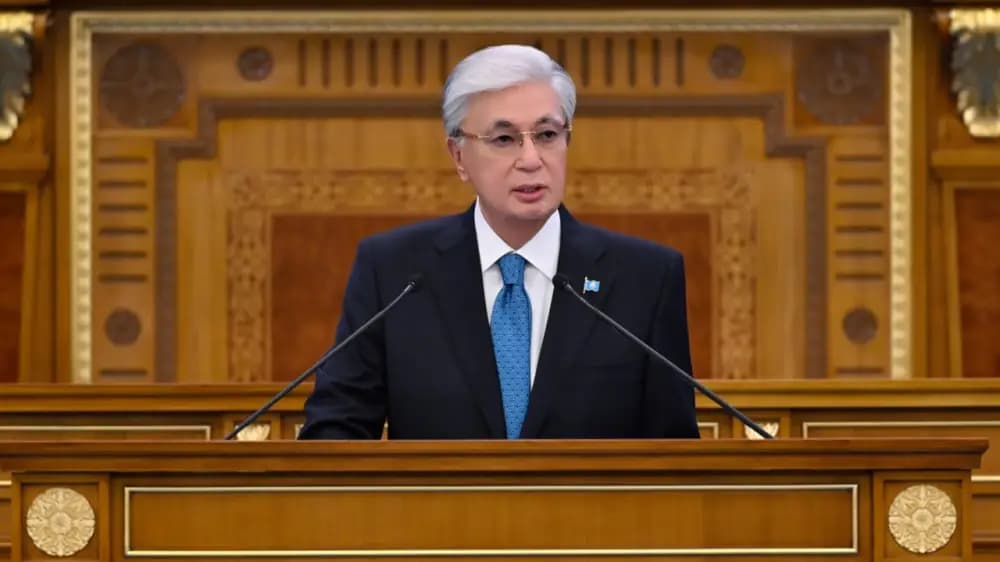
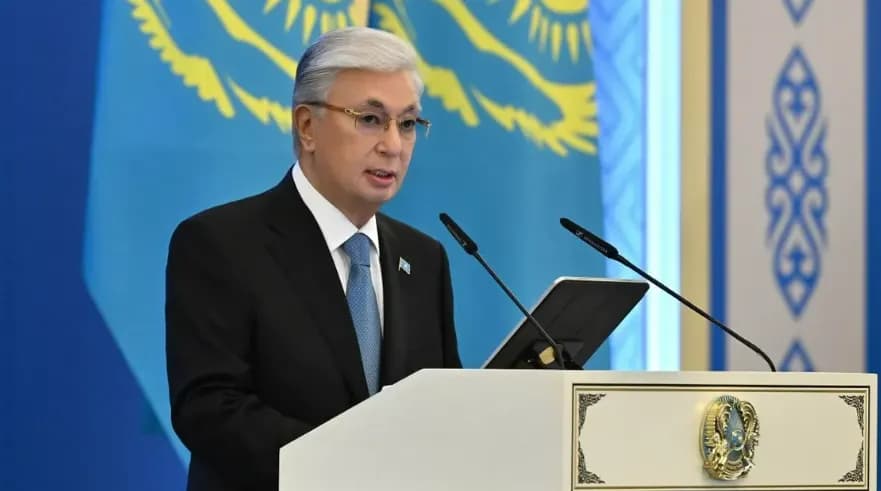
President of Kazakhstan Kassym-Jomart Tokayev said on Wednesday, in a special address to the nation broadcast live, that the country has a historic chance to become Eurasia's leading logistics hub, as the vulnerabilities of maritime routes increase the strategic importance of overland corridors. According to him, about 85% of cargo transported from China to Europe passes through Kazakhstan. “Global logistics has entered a period of large-scale transformation and accelerated development,” the Anadolu outlet quotes him as saying,noting that Tokayev called for developing domestic logistics operators, cargo distribution centers, and production capacity around transport hubs.
International Situation and Reforms
Tokayev described the international situation as increasingly unpredictable, citing declining trust between major powers and the weakening of international institutions. In his view, Kazakhstan must continue internal reforms and strengthen its sovereignty.
Nuclear Energy and Uranium
Turning to energy projects, the president said that construction of the country's first nuclear power plant, Balkhash, could begin in 2027, and an agreement on cooperation to accelerate the construction of the second plant, Moinkum, could be signed the same year. He also proposed creating a strategic uranium reserve to ensure long-term fuel supply for the planned nuclear plants and called on foreign partners to support technology transfer and the development of high-tech industries.
Economic and Legal Agenda
In the economic part of the address, Tokayev proposed studying an increase in tax rates for wealthy citizens, improving tax collection with the help of artificial intelligence, and, if necessary, amending the 2025 Tax Code to make the rules for business more predictable. In addition, he instructed the government to prepare a new Civil Code, which parliament could adopt by the end of 2027 and which should take into account modern technologies and economic changes.