The key facts
- GM is investing over $2 billion in the Lansing region, including $1.25 billion for the Lansing Delta Township plant
- The company is restructuring a $500 million U.S. Department of Energy grant whose funds were never disbursed
- No launch dates for the hybrids have been announced; Reuters reports hybrid versions of the Traverse, Enclave, and Acadia
Investments and grant restructuring
On Tuesday, October 27, 2026, General Motors announced plans to invest more than $2 billion over several years in the Lansing region of Michigan. Of that, $1.25 billion will go toward preparing the Lansing Delta Township plant for 'production of future vehicles,' the outlet reported TechCrunch. At the same time, GM is working with the U.S. Department of Energy to restructure a previously awarded grant under the Domestic Manufacturing Conversion Grant program for $500 million, which was provided under the Biden administration to convert another Lansing plant to produce electric vehicles — hybrids, battery-electric, plug-in hybrids, and hydrogen fuel cell vehicles. According to GM, the funds were never disbursed; they are now planned to be redirected toward hybrid production at the Lansing Delta Township plant.
What is known about the hybrid models
Currently, gasoline-powered Buick Enclave, Chevrolet Traverse, and GMC Acadia are assembled at Lansing Delta Township; in 2025 the plant produced a record 291,000 vehicles. GM did not disclose the timing of hybrid production and sales, promising to share details closer to launch. Sources told the outlet that the hybrids will appear across several brands rather than in a single model line. A report by Reuters , citing anonymous sources, specifies that the company plans to produce hybrid versions of the Chevrolet Traverse, Buick Enclave, and GMC Acadia at this plant.
A reversal after betting on EVs
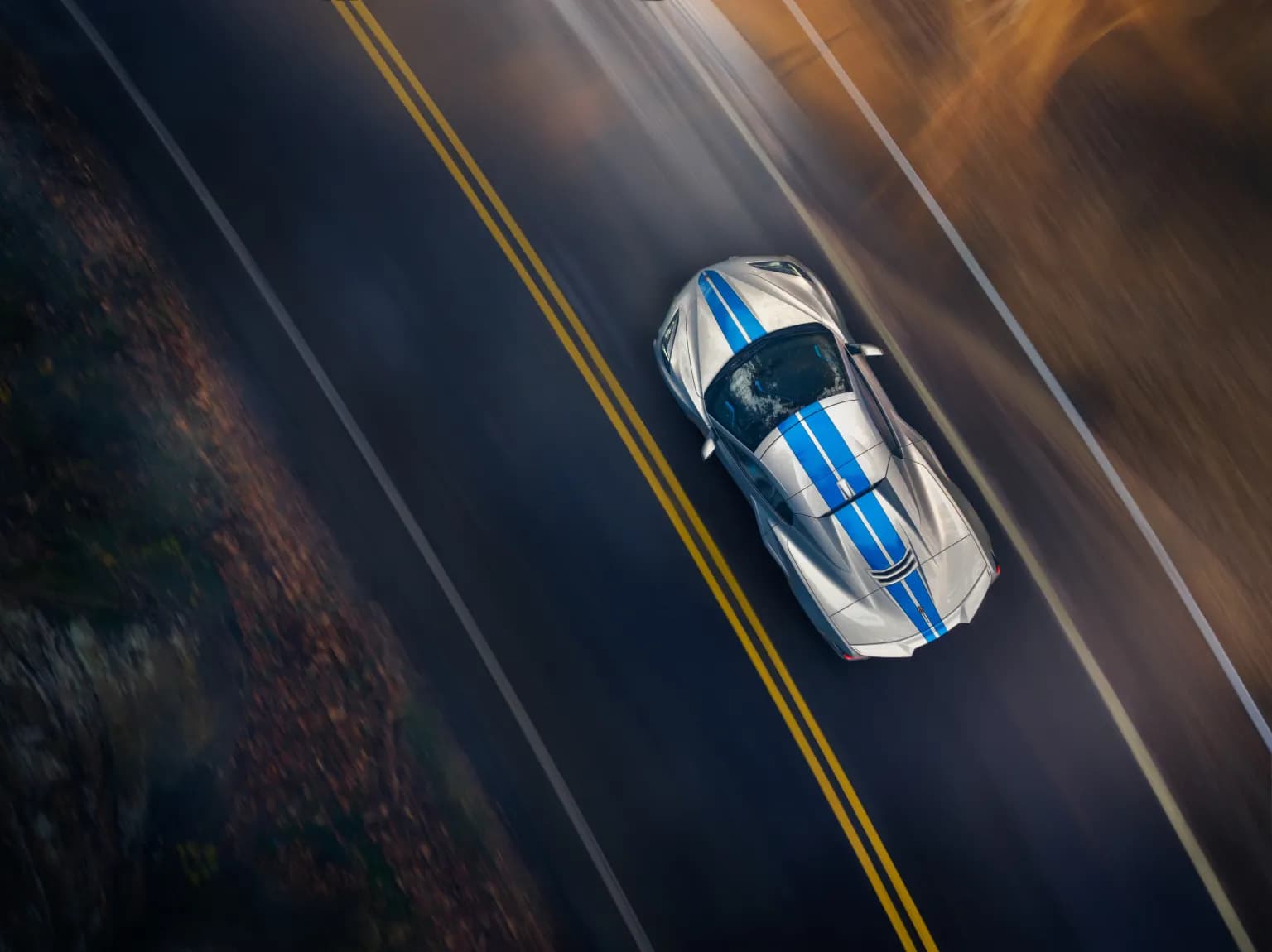
GM long delayed entering the mass-market hybrid segment, having invested billions in converting its lineup to fully electric vehicles. Until recently, the company's only hybrid model was the Chevrolet Corvette E-Ray, launched as a 2024 model: 2,444 such cars were sold last year. The E-Ray has been discontinued; since March, GM has been supplying the hybrid Corvette ZR1X, and a hybrid Corvette Grand Sport X will debut next year. The EV bet shifted under the Trump administration amid the elimination of the federal EV tax credit and slower-than-expected demand: GM's EV sales are falling year over year, although the company continues to sell models such as the Chevrolet Equinox EV, Blazer EV, and Cadillac Escalade IQ.
Competitors have already claimed the market
GM's decision is also explained by market conditions: hybrids are gaining popularity, in part due to rising fuel prices. Toyota remains the hybrid sales leader in the U.S., followed by Honda. Ford has significantly grown its share over the past two years, selling about 228,000 hybrids in 2025 — figures from Ford's sales report. Thus, GM is entering a segment where competitors are already established, and it is doing so by restructuring an undisbursed grant rather than securing new funding.