The key facts
- Cyclone Arnab made landfall in Andhra Pradesh on October 28, 2026; about 50,000 people were evacuated in Andhra Pradesh and 48,000 in Odisha
- AFP, citing the National Disaster Response Force, reports three deaths and 31 damaged houses
- More than 2,000 shelters were set up, about 1,100 medical teams deployed, and more than 30,000 fishing boats secured
The storm makes landfall
Early on Wednesday morning, October 28, 2026, Cyclone Arnab made landfall on the coast of the Indian state of Andhra Pradesh in the country's southeast. According to the India Meteorological Department, it came ashore as an “very severe cyclonic storm” with winds of 125–135 km/h and gusts of up to 150 km/h, affecting the coastline between Bapatla and Visakhapatnam. The Russian-language version of Euronews, citing the head of the state disaster management authority, gives different figures: before landfall the cyclone weakened slightly, but wind speeds in the morning reached 185 km/h. The outlets also differ in their estimates of the number evacuated: Euronews writes of “almost 100,000” people in the two states, while its Russian-language version says “no fewer than 89,000” in Andhra Pradesh alone.
Evacuation and preparations
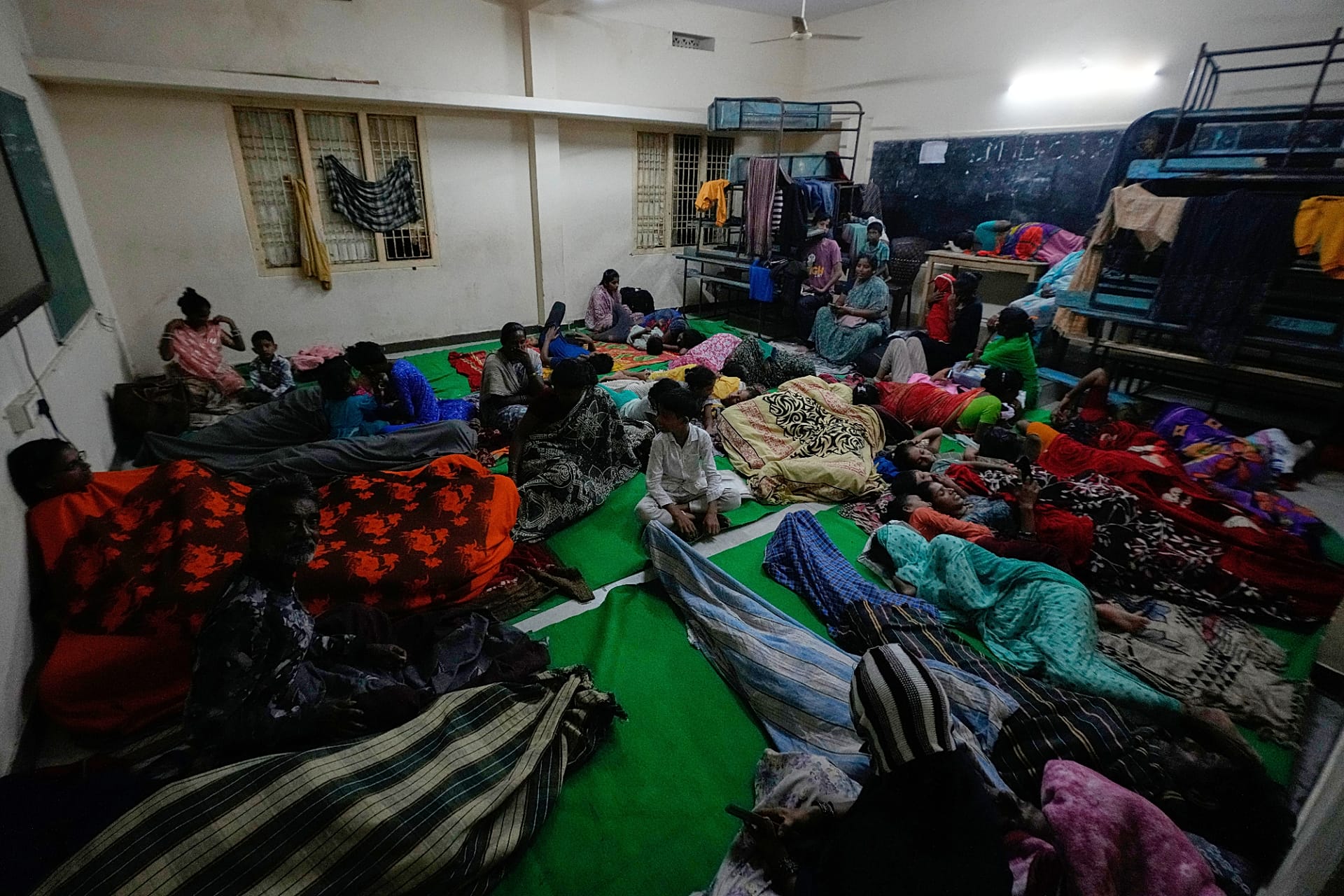
In advance, the authorities ordered the relocation of about 50,000 people in Andhra Pradesh and 48,000 in the neighbouring state of Odisha to safe zones. According to Euronews, citing the head of the state disaster management authority, Prakhar Jain, more than 12 million people live in the area along the cyclone's projected path; more than 2,000 shelters were set up in 20 districts, emergency alerts were sent to the mobile phones of millions of residents, more than 30,000 fishing boats were secured along the coast, and nearly 1,100 medical teams are working in the affected areas. Some train services were cancelled. The Chief Minister of Andhra Pradesh, Nara Chandrababu Naidu, stated that “protecting every life is our top priority.” Storm warnings were also issued by neighbouring Sri Lanka and Nepal.
Consequences and casualties
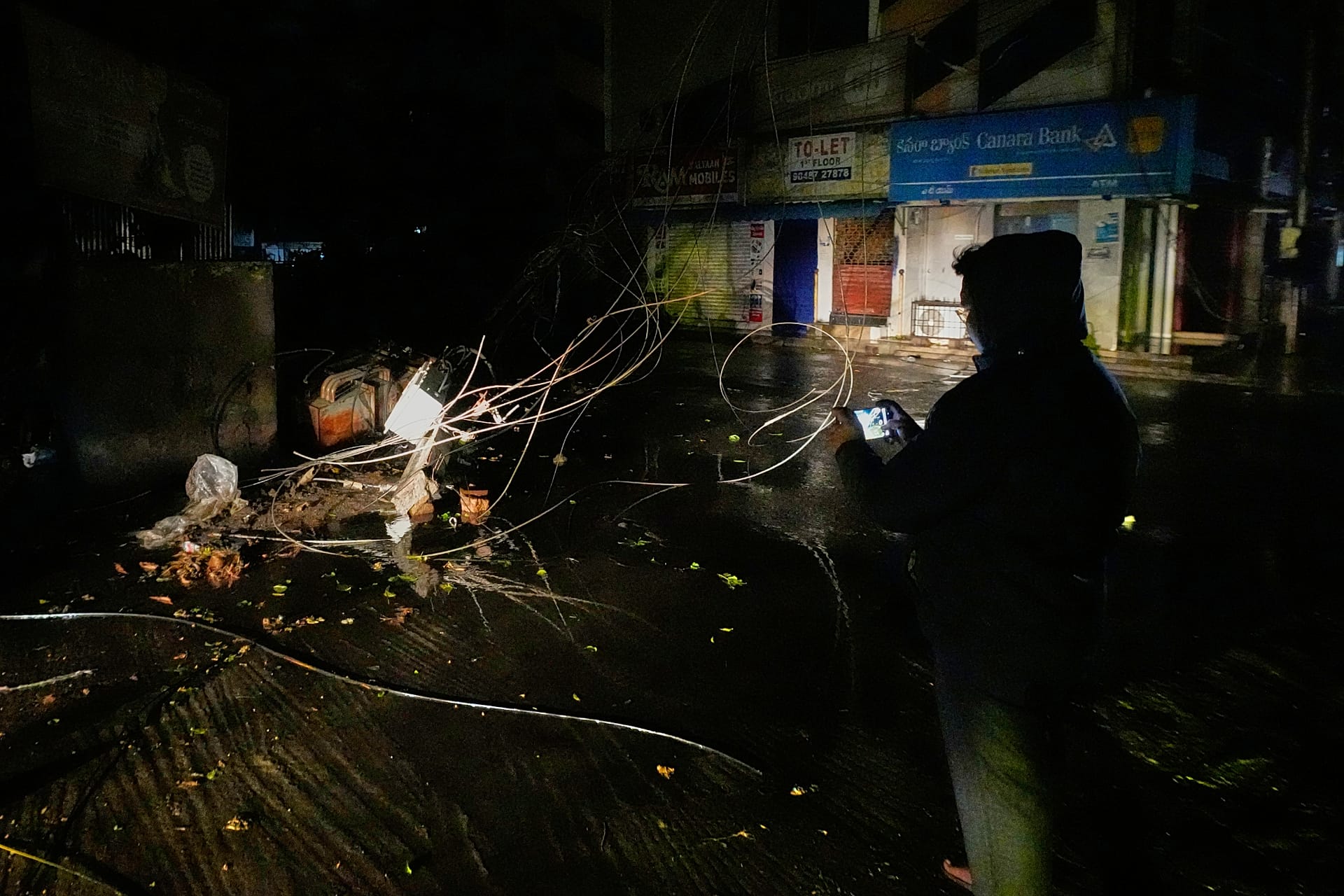
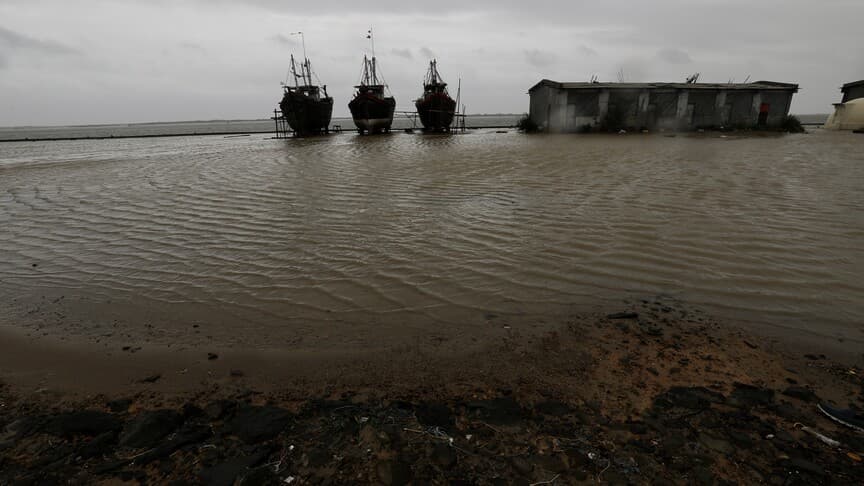
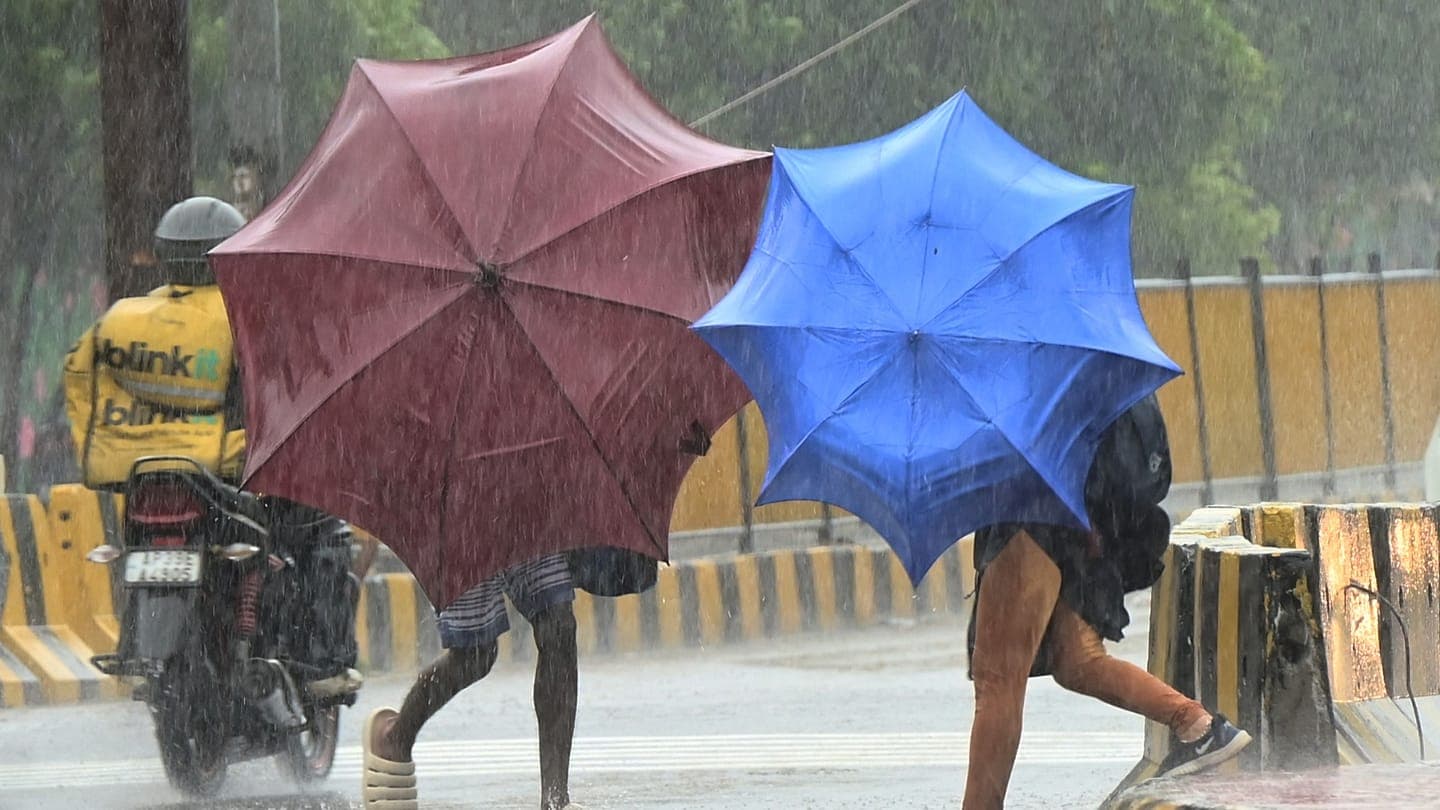
The AFP news agency, citing NDRF inspector Narendra Singh Bundela, reports three deaths and 31 damaged houses. The weather service recorded up to 30 centimetres of rainfall in parts of Andhra Pradesh and Odisha; during Wednesday the storm weakened into a “deep depression.” The meteorological bureau warned of “total destruction” of thatched huts, localised flooding, downed power and communication lines, and “extensive damage” to crops. In the port city of Kakinada, close to the storm's centre, residents went out onto flooded streets on Wednesday; according to local residents, the damage was limited, and the advance warnings helped people prepare. The Russian-language version of Euronews reported in the morning that no casualties had been reported — AFP's data on the deaths appeared later that same day.
What comes next
According to projections cited by the Russian-language version of Euronews, the cyclone will continue to weaken as it moves inland, with wind speeds dropping to 110 km/h. The India Meteorological Department warned that heavy rain and strong winds would continue in the coastal areas of Andhra Pradesh and partly in Odisha for several hours. Nepal's disaster management authority warned that the storm is moving toward the Himalayas and carries “a high risk of heavy snowfall, blizzards and avalanches”; according to AFP, Nepal is still recovering from the catastrophic flood of August 26 caused by a glacial collapse, which claimed the lives of more than 1,400 people, with over 5,000 still listed as missing. A full assessment of the damage from Arnab is not yet provided in the publications.