The key facts
- 68 dead, more than 100 injured, 58 hospitalised, 15 in critical condition
- The Renfe train travelled about 25 km after being given permission to move with the red signal still active and crashed into the stationary Iryo train
- This is the second high-speed train collision in Spain within a year: in January, 46 people died on the same line
What happened
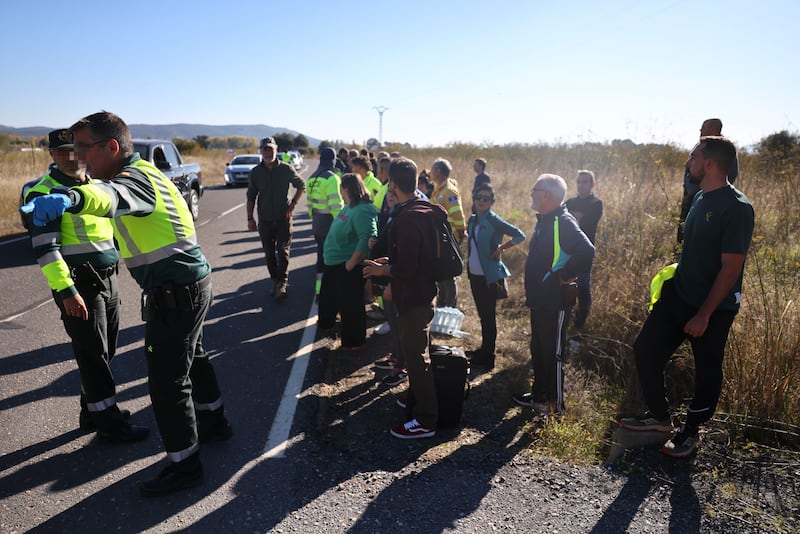
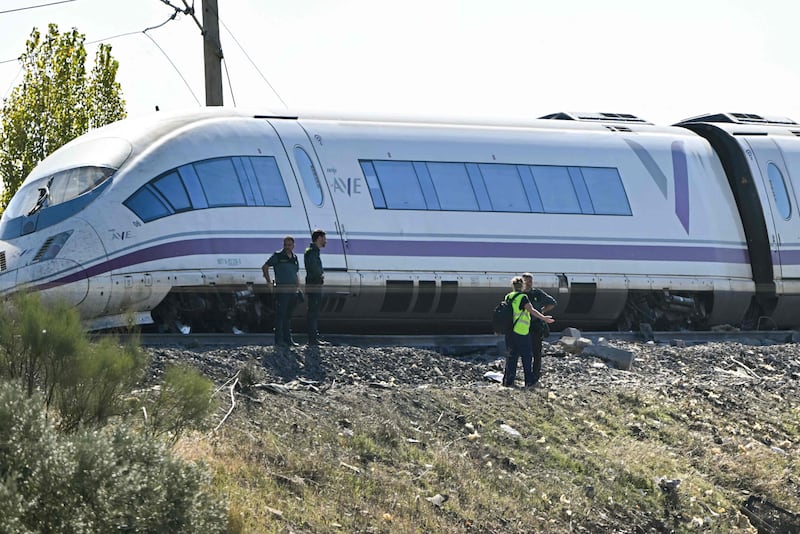
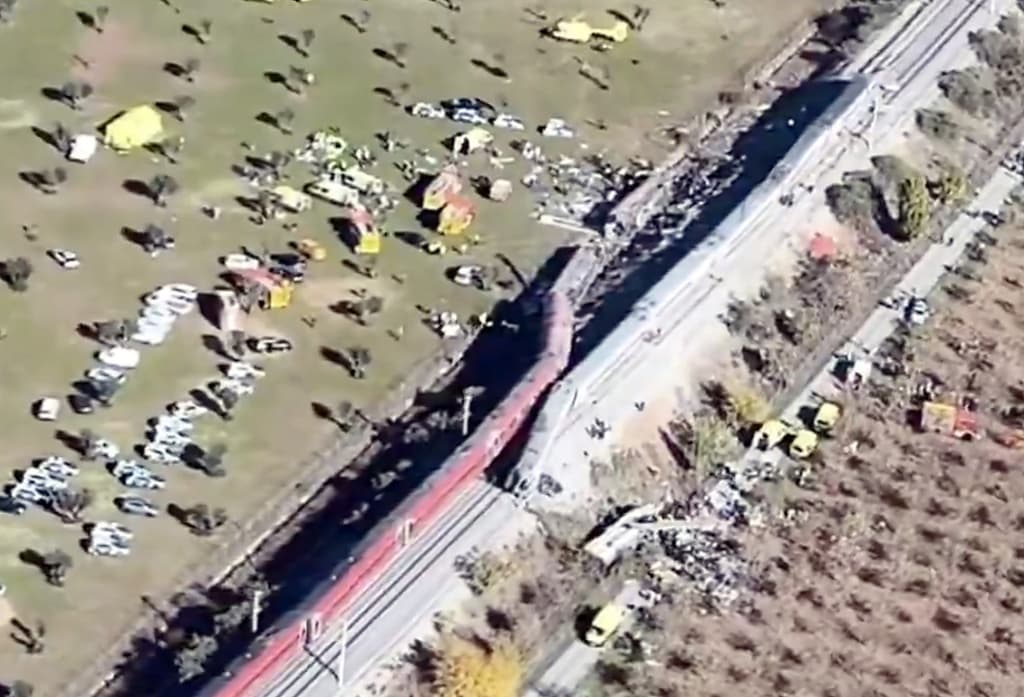
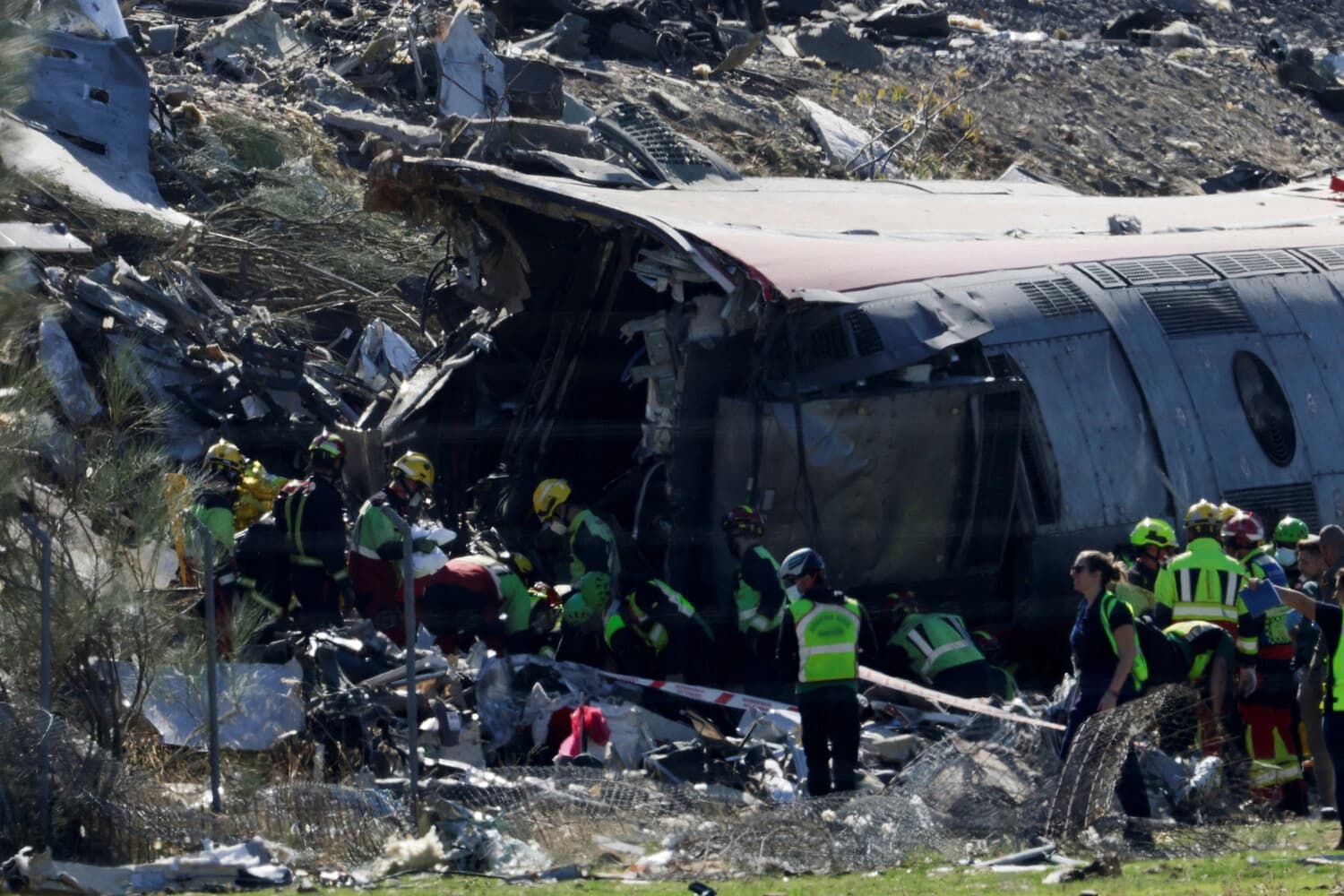
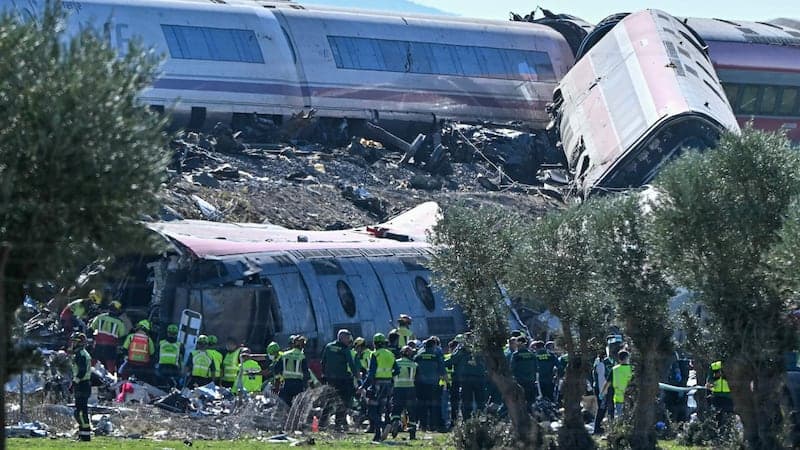
On the morning of October 28, 2026, on the high-speed line south of Madrid, near the town of Urda in the province of Toledo, a train of the state company Renfe collided with a train of the private operator Iryo — Spain's first private high-speed carrier. According to The National, the accident occurred at around 9 a.m., with the two trains carrying a combined total of more than 540 passengers; at least two carriages of the Iryo train derailed. Regional authorities later reported 68 dead — a figure raised from the initial 64, warning that the death toll could rise. Among the dead is former Minister of Labour and Social Economy Fátima Báñez, 59.
The authorities' account: a failure and an 'inexplicable' decision
Spain's Transport Minister Óscar Puente laid out the following sequence of events: at around 8:30 a failure caused by a computer malfunction knocked out the LZB safety system on a section of track (euronews cites 63 km, AFP 69 km), automatically stopping about six trains. Control of traffic passed to the central control centre in Madrid. At 8:36 the Renfe AVE train was given permission to resume movement while the red signal remained active — even though the Iryo train was standing on the track ahead. The train travelled about 25 km and at around 8:53 crashed into the stationary Iryo; according to the minister's estimate, the speed could have reached 200 km/h. Puente stressed that the drivers were not to blame, and called the control centre's decision — which failed to restore the system and did not switch the train to 'marcha a la vista' mode (reduced-speed movement with the automatic system disabled) — 'inexplicable': the centre 'had enough time to check the error, and they did not fix it.' The exact speed before the collision is still being established from recorder data.
Reaction and political context
Prime Minister Pedro Sánchez, arriving at the scene of the disaster, promised a thorough investigation: 'If there was negligence, we will find out. If there were failures in the safety system, we will respond decisively.' He declared three days of national mourning starting Thursday and acknowledged that it was 'unacceptable' for two high-speed train collisions to occur within a few months. The Socialist Party suspended its election campaign — according to AFP, early elections are scheduled for November 29 — and the leader of the opposition People's Party, Alberto Núñez Feijóo, who also halted campaigning, said that 'Spain has the right to know what is happening with its infrastructure.' Condolences were expressed by the royal household and the President of the European Commission, Ursula von der Leyen.
Second disaster on the same line within a year
This is already the second high-speed train collision in Spain in 2026: in January, on the same line running south from Madrid, involving the same operators Renfe and Iryo, 46 people died. According to AFP, the current accident is one of the deadliest rail disasters in Europe this century and the country's worst since the crash near Santiago de Compostela in 2013, which killed 80 people. Spain's high-speed network — the second largest in the world after China's — is considered a matter of national pride, and both accidents this year have already raised sharp questions about railway safety. Renfe confirmed the suspension of traffic on the main high-speed line from Madrid to the south of the country and said that the investigation would establish the exact sequence of events.