The key facts
- 50 foreign participants and more than 100 students from Uzbekistan assembled and launched CanSat devices
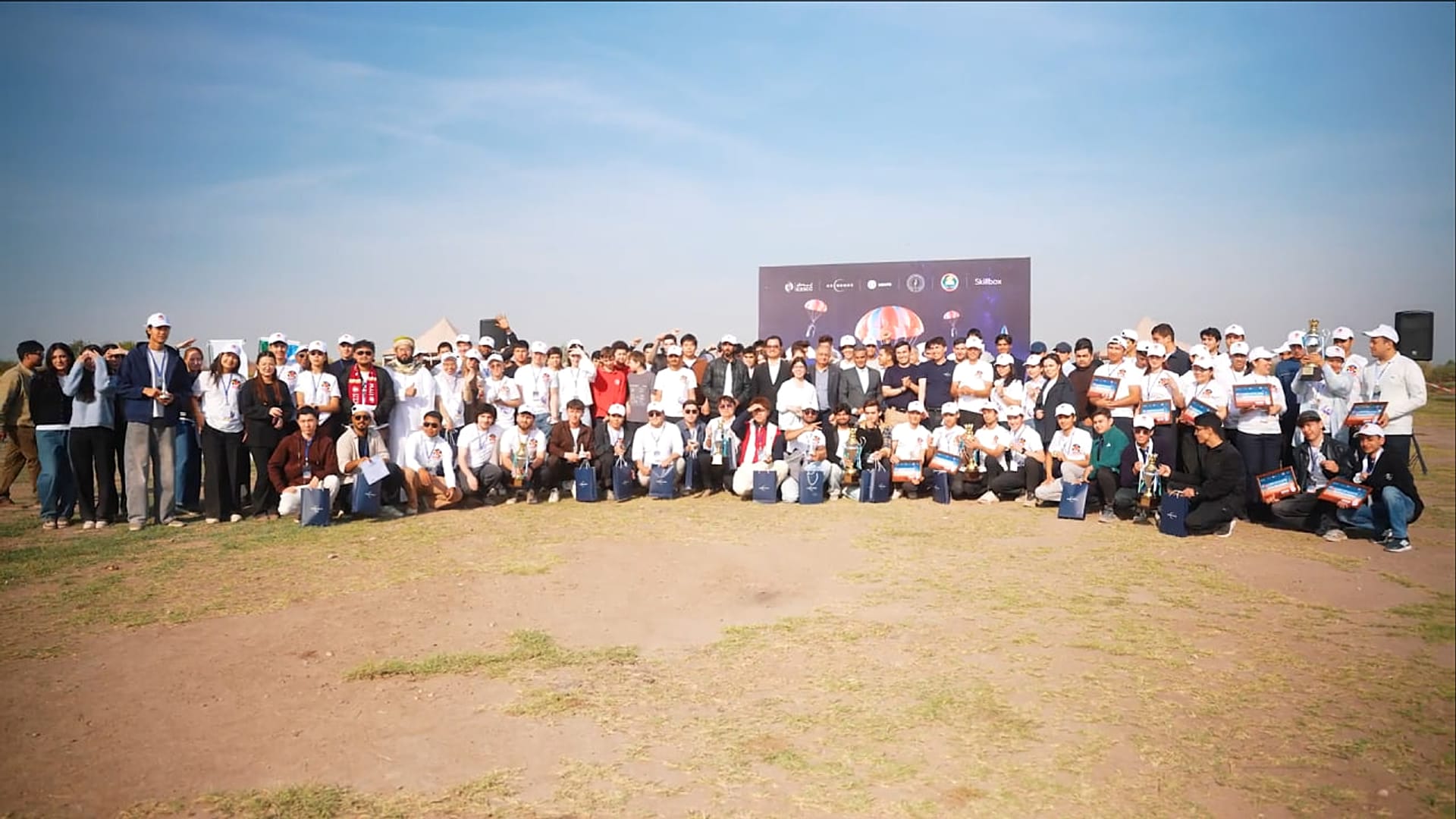
- 14 teams competed in the final; first place went to Nebula, followed by Pegasus and Sky Lab
- Organizers: Uzcosmos, ICESCO and the Turin Polytechnic University in Tashkent
A satellite in a can: the competition format
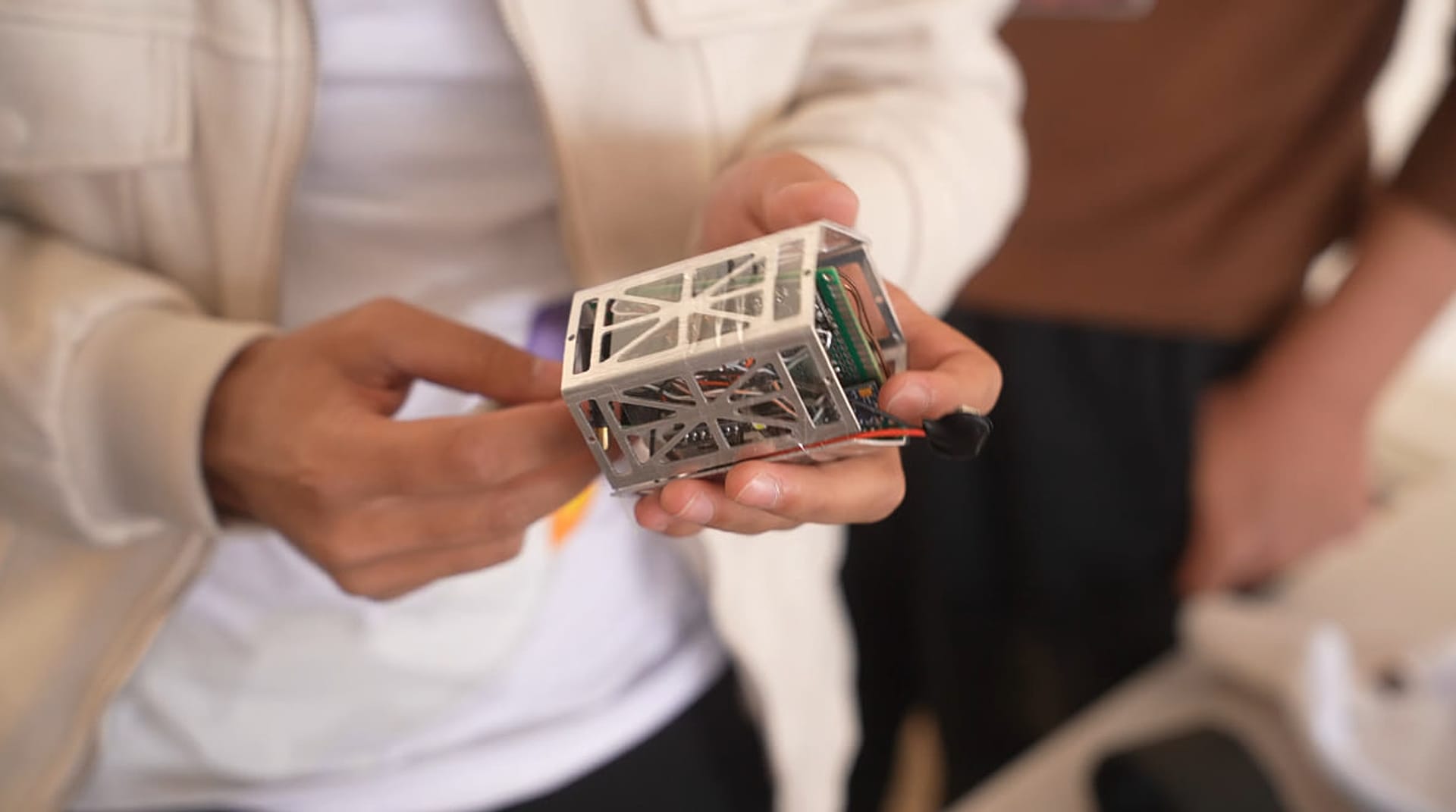
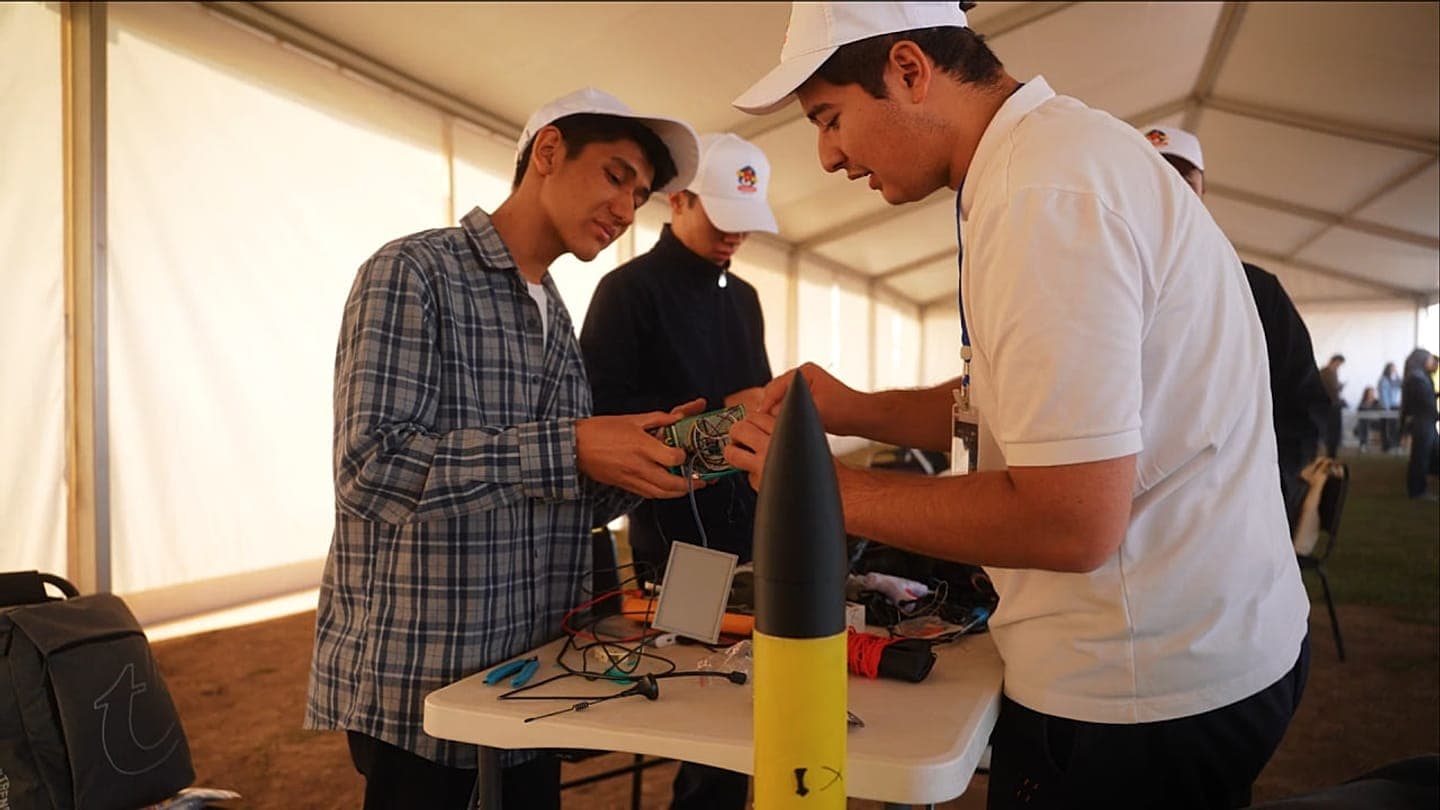
Building a real satellite takes years of work, specialized infrastructure and significant funding. At an airfield near Tashkent, young engineers from 15 countries tackled a different task: to build a miniature satellite mock-up that fits inside a drink can and launch it into the sky. CanSat-format devices are not sent into orbit — they simulate individual functions of a space mission under real flight conditions: they were lifted by rockets, and after separation the devices descended by parachute. This is reported by Euronews in its Russian- and English-language versions in a single article.
Preparation and flight
For several days, the teams worked at the Turin Polytechnic University in Tashkent: assembling electronics, calibrating sensors and programming the devices. The program brought together 50 participants from other countries and more than 100 students from Uzbekistan. During descent, the devices had to operate autonomously: sensors were to take continuous measurements, while communication systems transmitted telemetry to ground stations. One Uzbek team additionally installed a camera and attempted to stream video in real time. The devices also recorded data on onboard storage, which made it possible to recover information in case of communication interruptions; Baris Beynik, a lecturer at Istanbul Technical University, noted that this reproduces a key element of how real satellites work. “The main task here is to ensure stable telemetry. It must link the ground station and the CanSat device itself,” participant Akmadkhon Latipov told Euronews. After landing, the teams analyzed the recorded data and compared their calculations with the actual performance of the electronics, sensors, communications and parachutes.
Results and organizers
According to the organizers, 14 teams competed in the final: first place went to Nebula, followed by Pegasus and Sky Lab. The competition was part of the fifth international training seminar on CanSat projects, organized by the Uzbek space agency Uzcosmos, the Islamic World Educational, Scientific and Cultural Organization (ICESCO) and the Turin Polytechnic University in Tashkent. ICESCO consultant on science and environment Dr. Muhammad Sharif noted that the growing use of satellite technologies is creating demand for skills beyond classical aerospace engineering — in Earth remote sensing, satellite communications, artificial intelligence, as well as in agriculture, food security and climate monitoring. For Uzcosmos, the program is an opportunity to train personnel for the developing national space industry: the agency's deputy director Mukhiddin Ibragimov emphasized that even the most advanced projects depend on the availability of expertise and cohesive teams.