The key facts
- The state will pay for private companies' services through the medical insurance system; entrepreneurs will be allocated premises in state hospitals for equipment.
- The state will pay for services of private companies through the medical insurance system; entrepreneurs will be allocated premises in state hospitals for equipment.
- The draft resolution provides for contracts of up to five years instead of one-year ones, unified tender documentation and electronic procurement.
- Hokims will annually publish lists of land plots for private clinics; the preferential terms have not yet been specified.
- Khokims will annually publish lists of land plots for private clinics; preferential terms have not yet been specified.
What has been announced
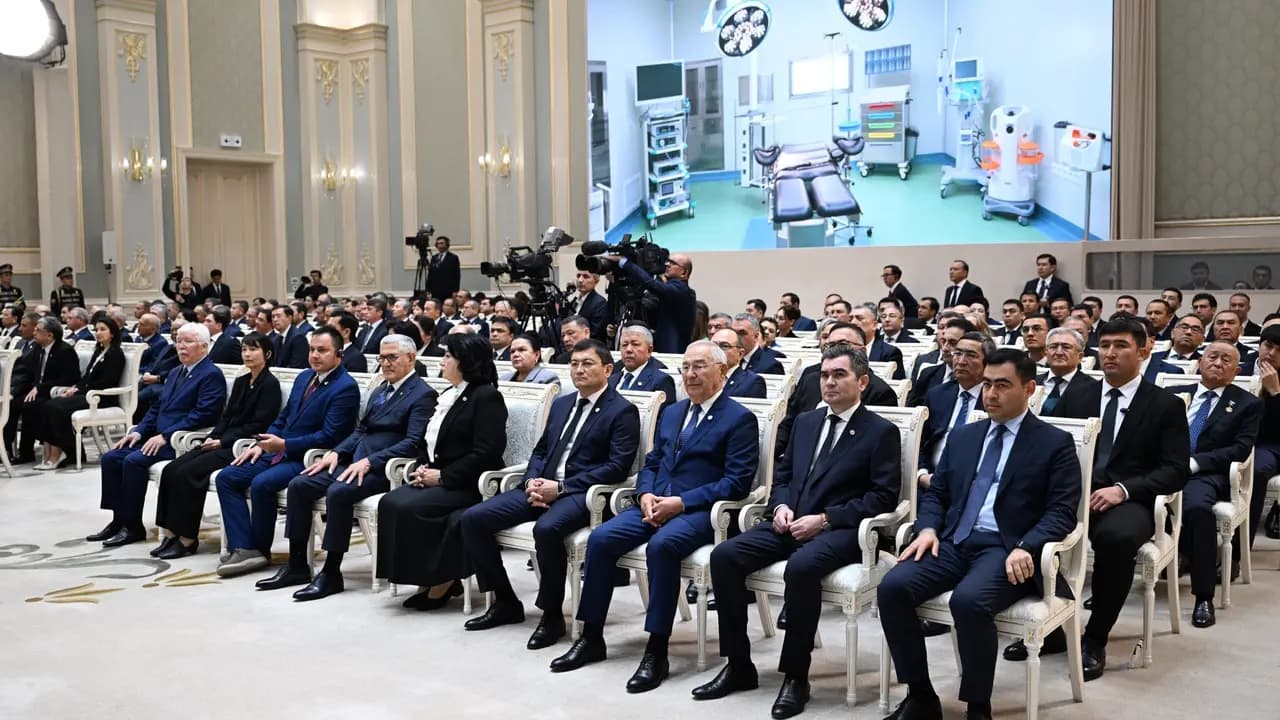
In Uzbekistan, state hospitals will begin purchasing medical services from the private sector. President Shavkat Mirziyoyev announced this on October 27 at a meeting with healthcare and pharmaceutical workers, as Gazeta reports. It concerns a phased transition to purchasing hemodialysis services, laboratory testing, medical equipment sterilization, medical rehabilitation and physiotherapy, as well as the introduction of new outsourcing mechanisms.
How the model will work
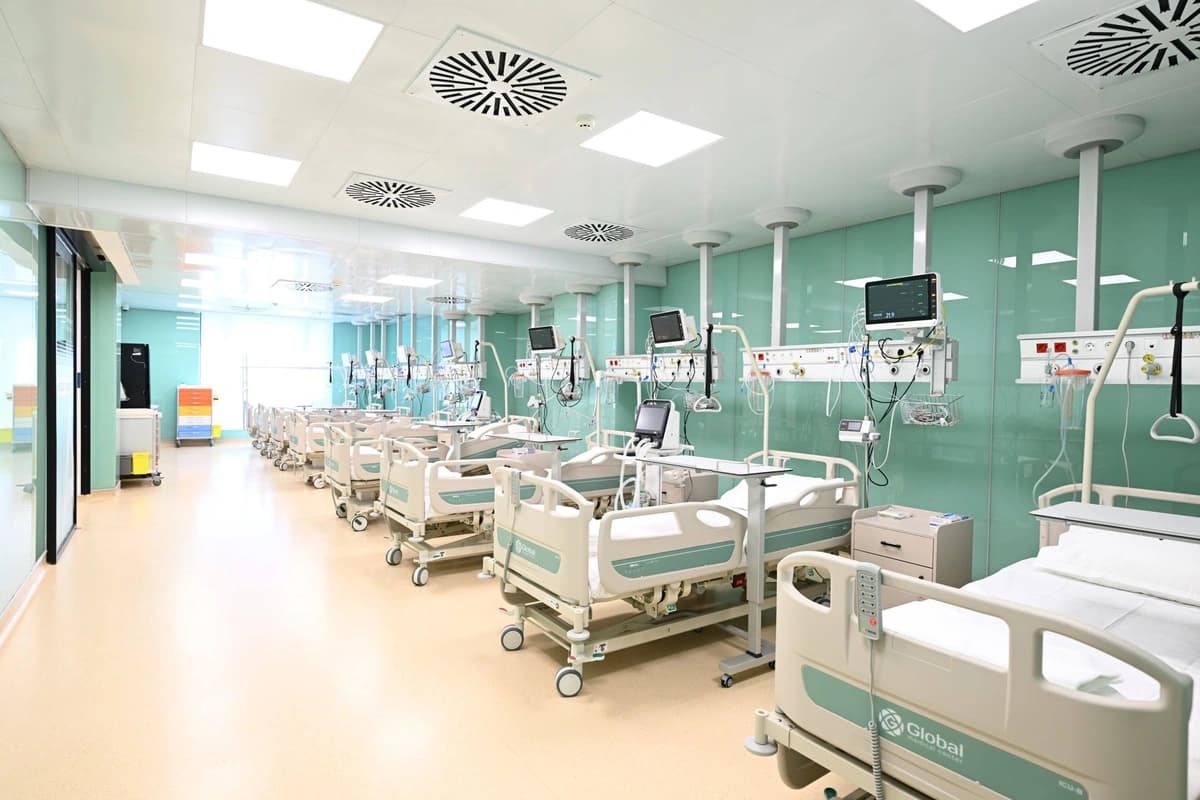
Entrepreneurs will be provided with premises in state hospitals to install modern equipment: a private company delivers services directly on the premises of the state institution, while payment goes through the medical insurance system. In each region, information on the demand for medical services and financing conditions is planned to be published so that entrepreneurs can assess investment opportunities.
Contracts of up to five years and electronic procurement
A day before the meeting, on October 26, the president was presented with a draft resolution on expanding the private sector's participation in healthcare. The document allows for medical service contracts of up to five years instead of the current one-year contracts — it is expected that this will enable companies to invest in equipment and infrastructure with the possibility of recouping their investments. Under the proposed model, the state institution purchases the service, while the private company acquires the equipment at its own expense and ensures its operation and renewal. Also under consideration are unified tender documentation, an electronic procurement system, and the possibility of transferring certain medical institutions to the management of professional companies. The president instructed to refine the proposals and ensure their phased implementation.
Why the private sector matters for the system
The number of private clinics in the country has grown from 3,500 in 2017 to more than 9,000. In certain areas, the private sector already holds the dominant share: 90% in dentistry, 70% in diagnostics, 60% in otorhinolaryngology, urology and ophthalmology. However, development is uneven: in the Andijan, Fergana, Namangan and Samarkand regions and in Tashkent, 35–40% of private clinics have inpatient beds, whereas in Karakalpakstan and the Syrdarya, Jizzakh and Navoi regions this figure does not reach 15%. Business participation in rehabilitation, nephrology, oncology, neurosurgery, psychiatry, narcology and childbirth care remains below the expected level — these areas are planned to receive priority attention.
Land for clinics and master plans
Governors (hokims) will annually identify and publish lists of land plots for the construction of private clinics; the plots will be put up for auction exclusively for the creation of medical institutions and offered on preferential terms. The specific parameters of the benefits and the procedure for allocating land have not yet been clarified. In addition, new medical facilities will henceforth be created on the basis of master plans — taking into account population size and territorial distribution, in order to avoid situations where some districts lack hospitals while capacity sits idle in others. The day before, the president was also informed of the results of an inventory of medical infrastructure in ten regions: 3,491 healthcare facilities were identified — according to Gazeta, 494 more than were registered with the Cadastre Agency; it was proposed to create electronic facility passports and a unified digital registry.
Context: the move toward insurance-based financing
The announced measures continue a line outlined earlier. In November 2025, the president noted that services at private clinics are cheaper than at republican centers and instructed to review the justification of prices at state institutions: if similar services in the private sector are cheaper and of higher quality, medical insurance funds will be directed there. And on November 4, 2025, the government approved rules provision of medical care funded by the budget in both state and private medical facilities: planned inpatient treatment is provided via an electronic referral with a QR code, which gives the patient the right to choose a state or private facility. Thus, the procurement of services from the private sector is being integrated into the already-launched mechanism of budget financing through insurance, although the timelines for phased implementation and the parameters of land-related benefits are not disclosed in the published materials.