The key facts
- The United Kingdom, Germany, the Netherlands, Belgium, Poland, Greece, Finland, Norway, Sweden, and Denmark have joined the initiative
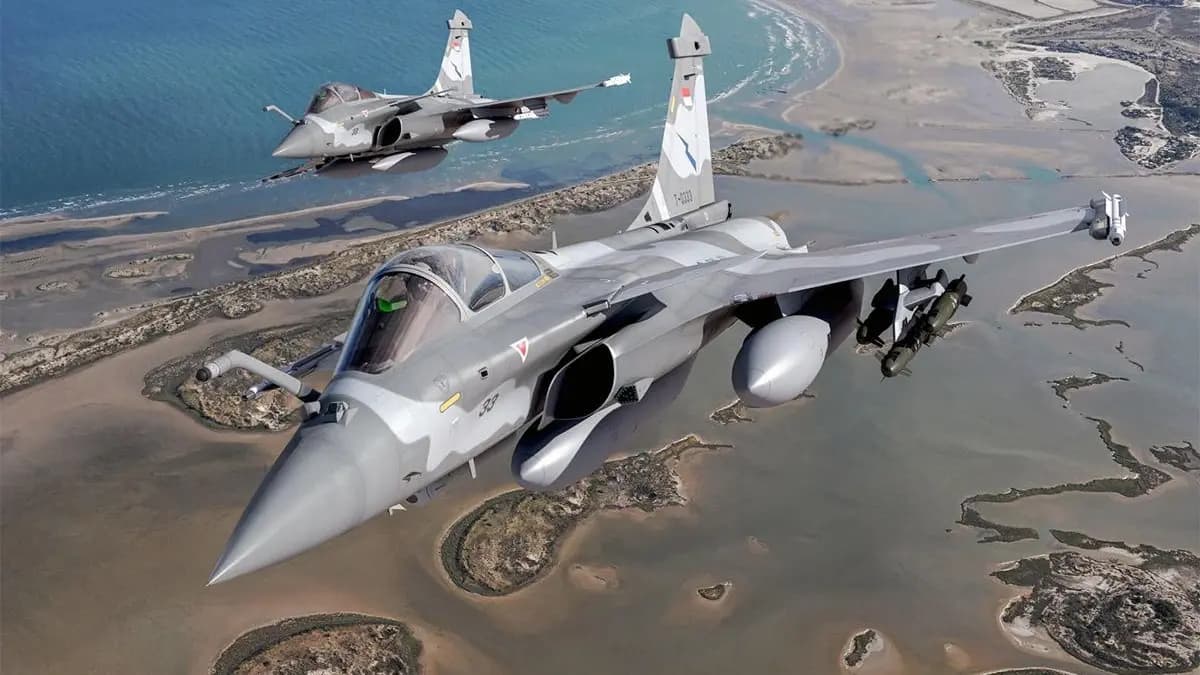
- The plan involves the deployment of Rafale jets capable of carrying nuclear weapons, intelligence sharing, and an early-warning system
- Estonia, Latvia, Lithuania, and Italy are not participating in the project
The essence of the initiative and its participants
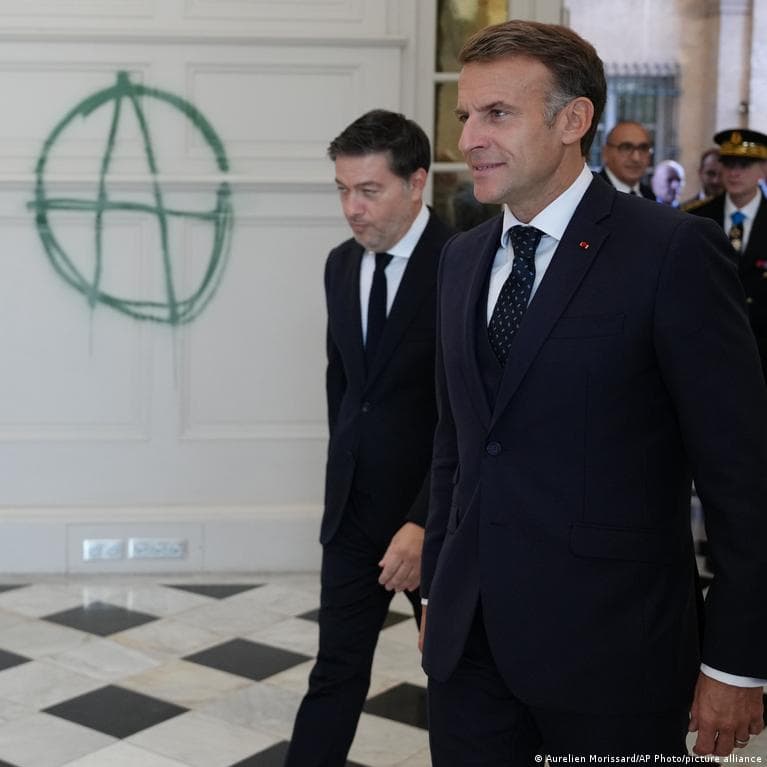
Ten European states have joined the French initiative on nuclear deterrence of Russia amid doubts about the reliability of American security guarantees. This was reported by The Wall Street Journal, which Daryo.uz cites. The plan, proposed by French President Emmanuel Macron and named by him 'forward deterrence,' provides for the deployment of Rafale fighter jets capable of carrying nuclear weapons in various European countries, the exchange of intelligence data, and the creation of a shared early-warning system.
Who joined and who stayed out
The United Kingdom, Germany, the Netherlands, Belgium, Poland, Greece, Finland, Norway, Sweden, and Denmark have joined the initiative. At the same time, according to WSJ, the Baltic states — Estonia, Latvia, and Lithuania — which are considered the most vulnerable to the Russian threat, are not participating in the project, while Italy declined to join. The purpose of the plan, in Macron's formulation, is to signal to Russia that there are additional risks in the event of an escalation of the conflict with Europe. 'This creates additional difficulties for the adversary, since the Russian side must take one more factor into account,' said Macron's strategic affairs adviser Xavier Chatel at a security conference held on October 12–13 in Warsaw.
Limits of participation
The initiative was put forward amid concerns that the United States may not be prepared to take risks to protect European states; according to the logic presented in the publication, Europe's security, due to its geographic position and close economic ties, aligns more with Paris's interests than with Washington's. However, as WSJ notes, participation in the initiative does not mean that EU countries will be able to influence decisions on the use of French nuclear weapons. 'The French will let us participate in their nuclear deterrence to the extent that the Americans allow it,' said a minister of one of the European states, quoted by the publication.