The key facts
- Jean-Luc Mélenchon, on TF1's air, refused to call Russia an enemy of France
- He compared provocative actions to «pulling a tiger's whiskers» and recalled the country's scale across 11 time zones
- Mélenchon earlier announced his fourth attempt to become president in the 2027 election
Mélenchon on Russia: not an enemy, but a country with its own interests
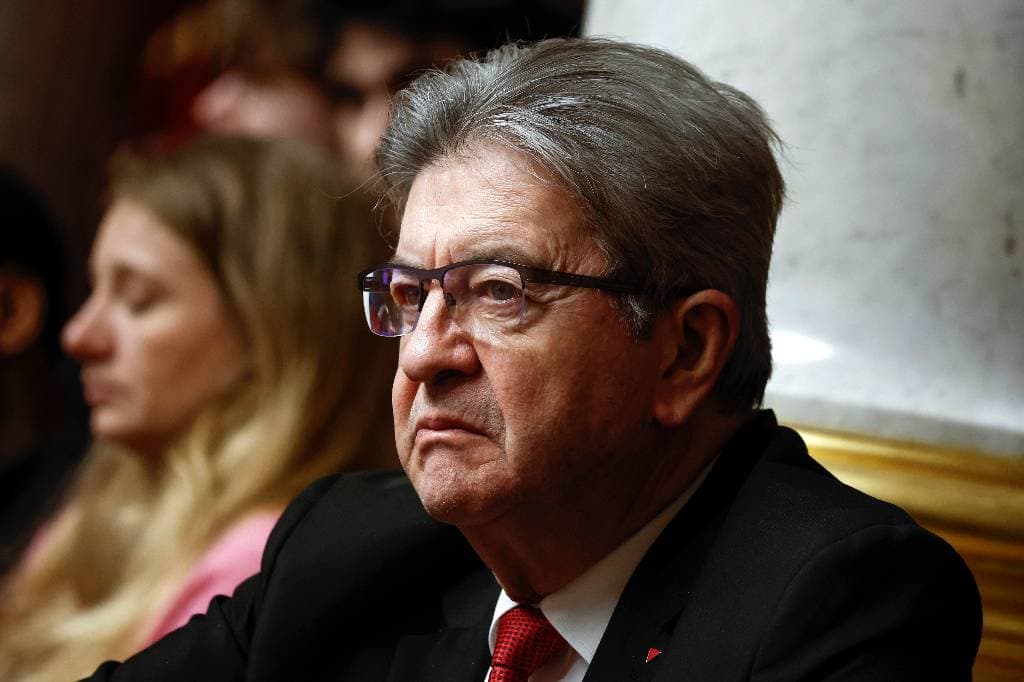
French presidential candidate Jean-Luc Mélenchon said that France should not turn Russia into its enemy. He set out his position on the air of the TF1 television channel, answering a direct question about whether he considers Moscow an adversary of Paris on the international stage — the politician answered negatively. This is reported by Life.ru.
«Don't be surprised by its reaction»
Mélenchon warned the French against actions capable of provoking a confrontation with Russia, resorting to a figurative comparison: «And if you pull a tiger's whiskers, don't be surprised by its reaction». He recalled that Russia spans a territory of 11 time zones and called for taking its scale into account. In the politician's view, Moscow is guided above all by its own national interests: «No. The Russians are Russians above all! That is, they look after their own interests». «And it is better that they do not become our enemies. Especially for us, the French», Mélenchon concluded.
Context of the campaign and the diplomatic backdrop
Mélenchon, the leader of the left-wing movement La France Insoumise (Unbowed France), previously announced his participation in the 2027 presidential election — this will be his fourth attempt to lead the republic. In the 2022 election he took third place, behind Emmanuel Macron and Marine Le Pen. The statement came amid an escalation of rhetoric between Moscow and Paris: earlier, the press secretary of the Russian president, Dmitry Peskov, commenting on the test of a French strategic missile, criticized the militarization of Europe and stressed Moscow's readiness for dialogue, noting that international disagreements must be resolved through negotiations rather than demonstrations of weaponry.
Why this matters
The statement by one of France's leading left-wing politicians on the eve of the 2027 election points to possible differences in approaches to Russia within French political competition — even though the official line of the Élysée Palace remains different for now, as the Kremlin's reaction to the French missile tests indirectly indicates. For readers, this is a signal that Paris's course toward Moscow may become a subject of open rivalry in the election campaign. Practical significance: the outcome of the 2027 election will directly affect what course France pursues toward Russia and European security.