The key facts
- The number of people studying Spanish in China grew by 12.6% between 2023 and 2025
- The country has nearly 98,000 potential native speakers and learners of the language
- The market demands not translators, but specialists with the language and a second profession
Demand is growing faster than the workforce
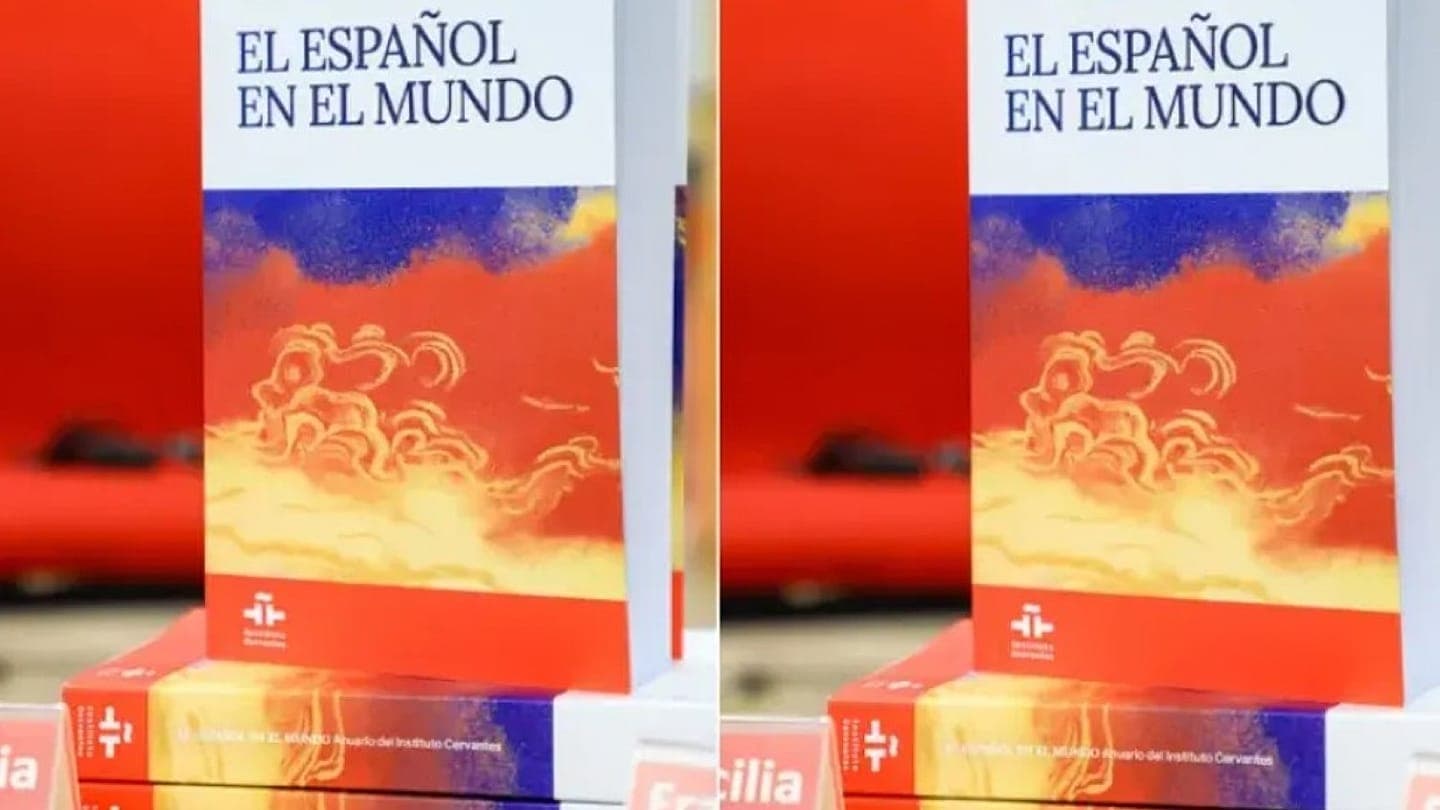
The number of Chinese students choosing Spanish is rising rapidly: according to the Cervantes Institute, enrollment in philology majors, electives, and Spanish as a foreign language courses grew by 12.6% between 2023 and 2025. However, the post-pandemic surge in demand coincided with a shortage of teachers. At the presentation of the annual report 'Spanish in the World 2026' in Beijing, the institute's director Luis García Montero stated: 'Teachers tell us that demand for Spanish continues to grow after the pandemic, so we are prioritizing teacher training: quite simply, more teachers are needed.'
The scale of the phenomenon and a shift in market demands
China is approaching the mark of 98,000 potential Spanish speakers: more than 18,000 permanent residents are native speakers, and about 66,000 are learning the language. Spanish is taught in 31 cities across the country, and up to 98% of universities already offer a degree in Hispanic philology; the number of Spanish-language graduates is around 55,000. Yang Ming, deputy dean of SISU, at the symposium 'Spanish in China: Evolution and New Dynamics,' held to mark the institute's 20th anniversary in Beijing, described the change in business demands: the market is no longer looking only for translators — it needs multidisciplinary specialists who combine the language with law, accounting, or business management. García Montero, meanwhile, expressed concern that teaching is becoming increasingly market-oriented: 'In the current dynamic of commercialization, the humanities are in decline, and this worries us.'
Spanish in the world: contrasts between regions
The annual report also captures the global picture: Spanish has 640 million users with varying degrees of proficiency — 10 million more than a year earlier — and more than 520 million native speakers. One in ten native speakers already lives outside Spanish-speaking countries. At the same time, the picture across regions is uneven: in Brazil, the number of learners fell by 46% due to legislative changes in public schools, while Africa shows vigorous growth thanks to formal instruction in Cameroon, Côte d'Ivoire, Benin, Morocco, and Tunisia. In the digital space, Spanish is the second most represented language on websites, and 72 million people are learning it on Duolingo. The report also notes separately that Ibero-America generates 14% of global AI solution traffic while accounting for 11% of the total number of internet users.