The key facts
- NPO announced the Netherlands' withdrawal from Eurovision 2027 over Israel's participation
- The decision ended a series of reversals: AVROTROS withdrew in August, NPO replaced it in September, and the withdrawal is now final
- Ireland and Czechia had earlier withdrawn; the head of the Spanish broadcaster also backed the boycott
Final withdrawal after months of hesitation
The Netherlands will not take part in Eurovision 2027, the public broadcaster NPO announced on Tuesday, citing the 'sensitivities'surrounding Israel's participation against the backdrop of the military campaign in Gaza, which began after the Hamas attacks of October 7. NPO media director Jurre Bosman said that Israel's participation 'provokes various reactions in society and gives rise to discussions and disagreements,' and after consultations with the Board of Broadcasters the organization decided to withdraw from the 2027 contest.
A series of U-turns
The decision ended a long period of hesitation on the Dutch side. In August, AVROTROS, the broadcaster that selects the Dutch entry and airs the contest, had already announced its withdrawal, saying the event 'can no longer be considered neutral' because of the disputes surrounding the war in Gaza. A month later, NPO took responsibility for participation upon itself, but on Tuesday it changed course. NPO chief executive Jet de Ranitz acknowledged that the decision would disappoint many fans of the contest, stressing that the broadcast on public channels would continue, but added: 'We must admit that it is too early at this point to take part in Eurovision in 2027.'
Context: a wave of boycotts and the contest in Bulgaria
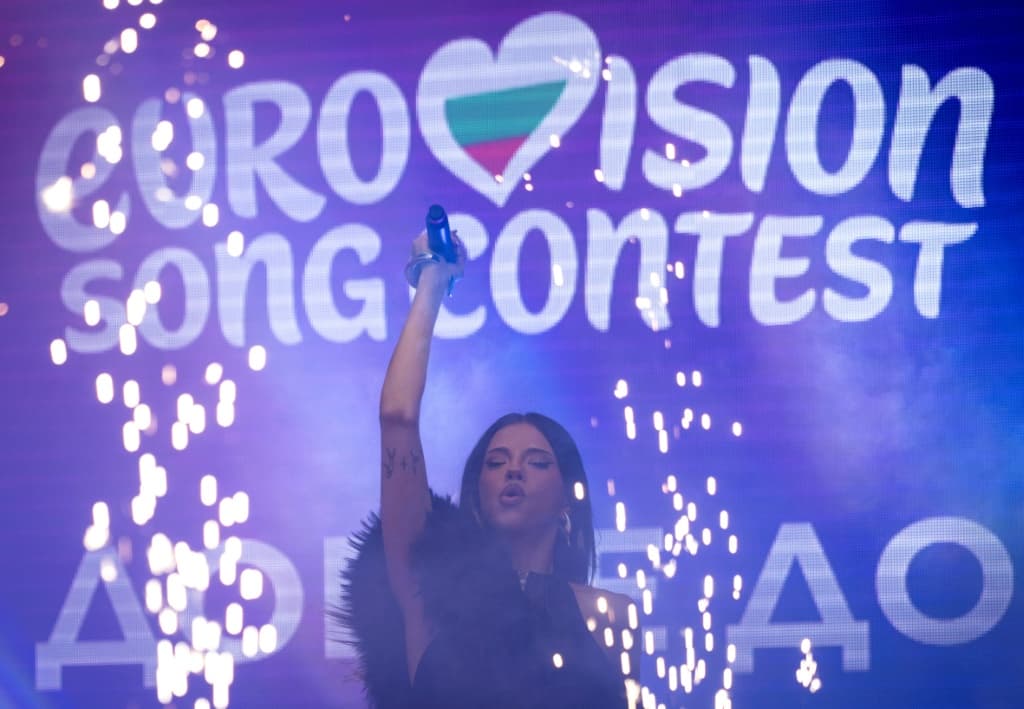
According to AFP, in August the organizers announced that countries involved in armed conflicts would be excluded from the list of possible hosts of the contest, but the withdrawals did not stop: Ireland has already announced its non-participation, the head of the Spanish public broadcaster backed the boycott, and the Czech broadcaster withdrew at the beginning of the month, citing cost cuts. The 2027 contest will take place on May 15 in the Bulgarian city of Burgas on the Black Sea — the first time in Bulgaria, following the victory of singer Darina Yotova (Dara) with the song 'Bangaranga' at this year's contest in Vienna. The 2026 contest was watched by 131 million viewers — 35 million fewer than the year before — after the Netherlands, Iceland, Spain, Ireland and Slovenia boycotted it over Israel's participation, with the last three refusing to broadcast the show altogether.
EBU reaction
European Broadcasting Union (EBU) chief Martin Green said he 'deeply regrets' the Netherlands' withdrawal: 'We understand their decision and respect the strength of feeling about this in the Netherlands. At the same time, we believe Eurovision matters in a divided world.' Bosman added that NPO continues to discuss the future of the contest with the EBU and is convinced that the event 'can once again become a place of music and connection.' For context: the Netherlands took part in the very first contest in 1956 and has won five times; the most recent victory was Duncan Laurence with the song Arcade in 2019, which, according to the Eurovision website, was the first contest song to reach one billion streams on Spotify.