The key facts
- Lula da Silva has been re-elected president of Brazil for a fourth term; his rival Flávio Bolsonaro refused to accept the result
- Lula da Silva has been re-elected president of Brazil for a fourth term; his rival Flavio Bolsonaro refused to accept the result
- Trump called the election 'terrible' and 'rigged', but also said: 'I love Lula, we get along'
- The US had counted on Brazil as 'the biggest prize' in the region — including access to rare earth metals
- The US had counted on Brazil as the 'biggest prize' in the region — including access to rare earth metals
Lula's victory and Washington's reaction
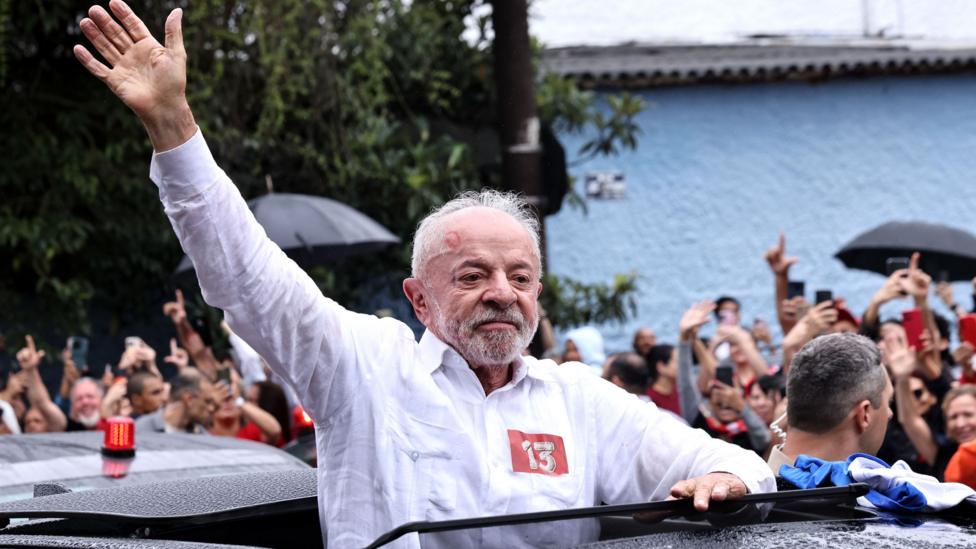
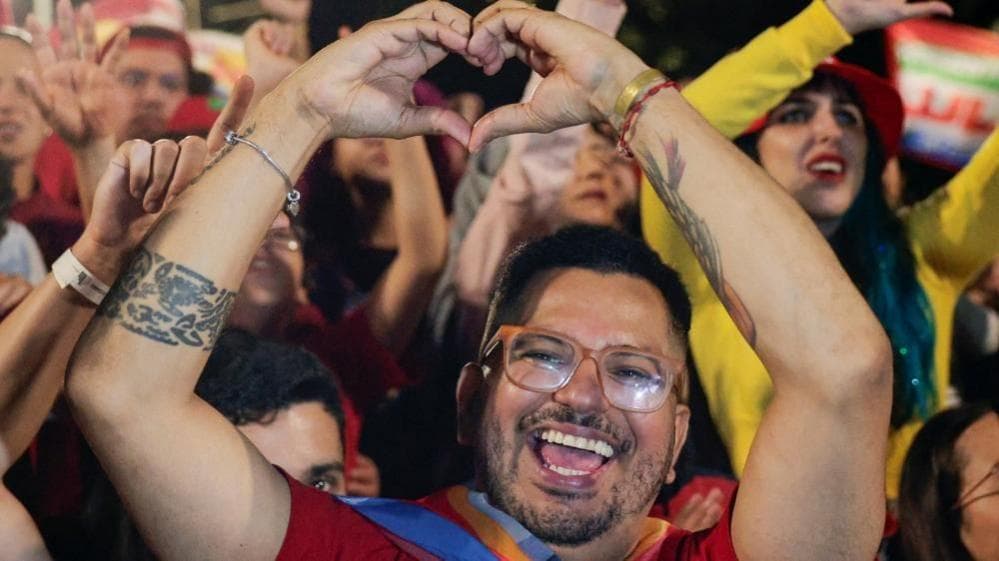
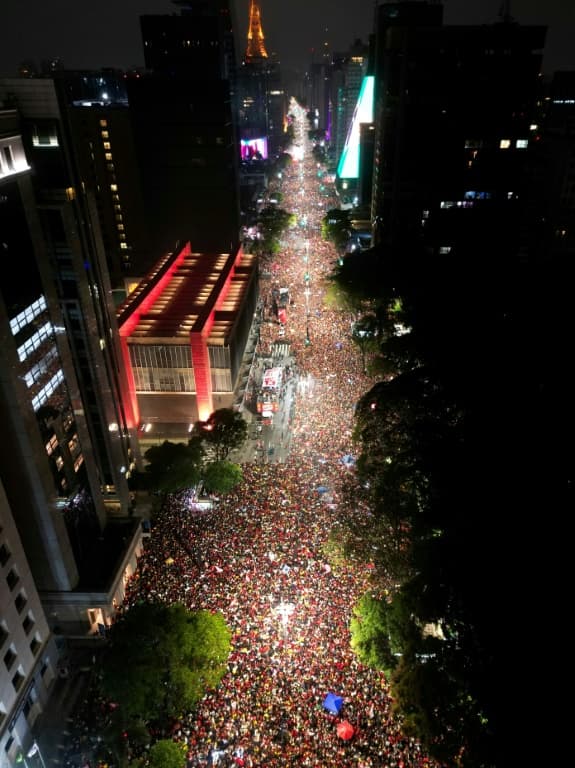
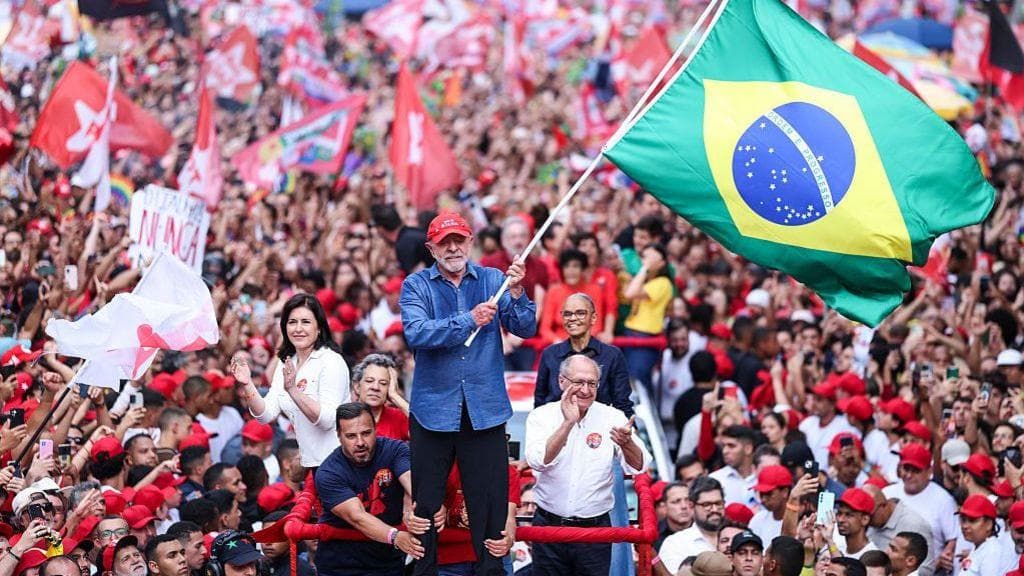
Brazil's left-wing president Luiz Inácio Lula da Silva has won a fourth term in a dramatic election, the BBC reported. In his victory speech he declared that 'Brazil will not agree to be anyone's backyard' — a phrase aimed at Washington. His rival Flávio Bolsonaro refused to accept the result, even though the Superior Electoral Court found no evidence of irregularities and Bolsonaro's own party accepted the outcome.
Trump's contradictory stance
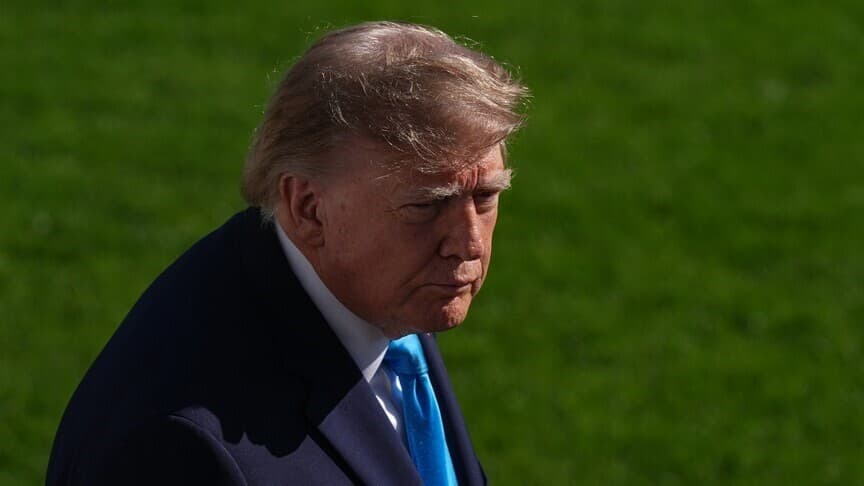
Donald Trump's reaction was ambivalent: he said he 'loves Lula, we get along', added that he 'hadn't taken anyone's side', yet called the election 'terrible' and 'rigged'. Trump did not openly back Flávio Bolsonaro, but was a close ally of his father, former president Jair Bolsonaro. According to the BBC, about a year ago relations between Lula and Trump were at rock bottom: at that time, by Lula's own account, they had never spoken, and Trump imposed punitive tariffs on Brazil, calling the trial of Jair Bolsonaro over an attempted coup 'a witch hunt'.
How confrontation worked for the campaign
Rather than tread carefully, Lula opted for open confrontation: he gave speeches on sovereignty, criticised US interference in the court proceedings, and wore a blue cap reading 'Brazil belongs to Brazilians'. His approval ratings rose, and he accused the Bolsonaro family, which had lobbied for the tariffs, of unpatriotism. Even part of the agricultural lobby, which had traditionally backed Bolsonaro, judged Lula to be right. The US eventually lowered the tariffs, although they later rose again; the leaders then spoke at the UN and met in the Oval Office.
What the US stood to lose with Lula's victory
Latin America has shifted to the right in recent years — Ecuador, Chile, Colombia, Argentina and Peru have elected presidents close to the Trump administration, and he built a strategy of dominance in the Western Hemisphere on these allies, which he called the 'Donroe doctrine'. Christopher Sabatini, an expert at Chatham House, notes that Trump saw Brazil as 'the tenth and biggest prize' after Bolsonaro's victory in the first round. Brazil is the region's largest economy and holds the world's second-largest reserves of rare earth metals after China, to which the US wanted preferential access, while the younger Bolsonaro was to join the 'Shield of the Americas' coalition against drug trafficking.
Potential flashpoints
The BBC lists several issues that could once again strain relations during Lula's four-year term. Earlier this year, Brazil accused the US of trying to cast doubt on its electoral system and denied visas to two State Department employees; the US called this 'unfounded' and revoked the Brazilian ambassador's visa in response. If Trump continues to call the election 'rigged', diplomatic friction is likely. Lula has also sharply opposed US military actions in the region — from the capture of Nicolás Maduro in Venezuela to strikes on vessels suspected of drug trafficking — and condemned the inclusion of two of Brazil's largest gangs on the list of terrorist organisations after lobbying by Flávio Bolsonaro.
Technology and trade
Lula's campaign accused Meta of favouring Bolsonaro; the company denied this but acknowledged moderation problems and technical errors that led to some posts being wrongly removed or restricted. Lula's supporters circumvented the algorithms by spreading his messages through a WhatsApp group of 10 million people. Separately, the Trump administration is unhappy with Brazil's instant payment platform Pix, which the US sees as a threat to the Visa and Mastercard business. The BBC nevertheless stresses that the tension can be overstated: the US remains Brazil's second-largest trading partner after China, and for now the leaders get along.
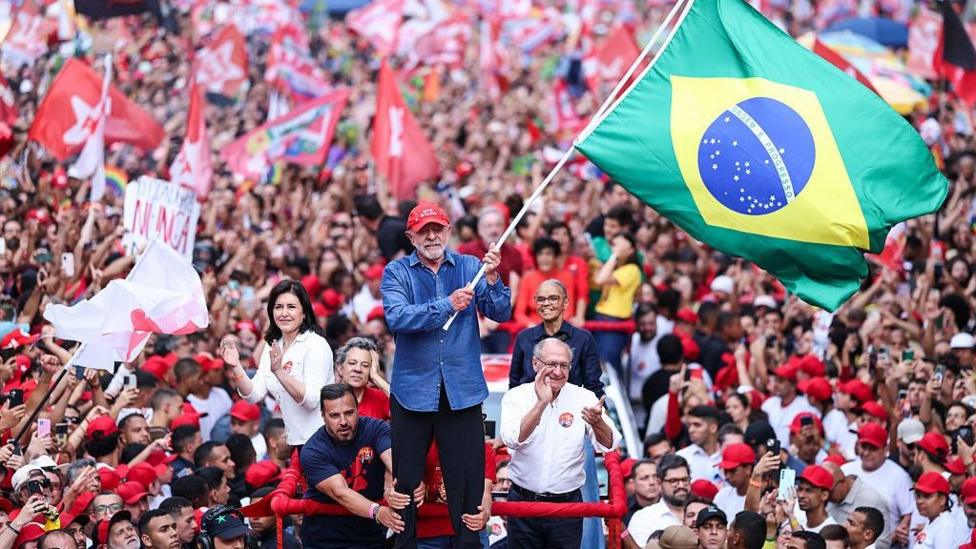 Image source, Getty Images