The key facts
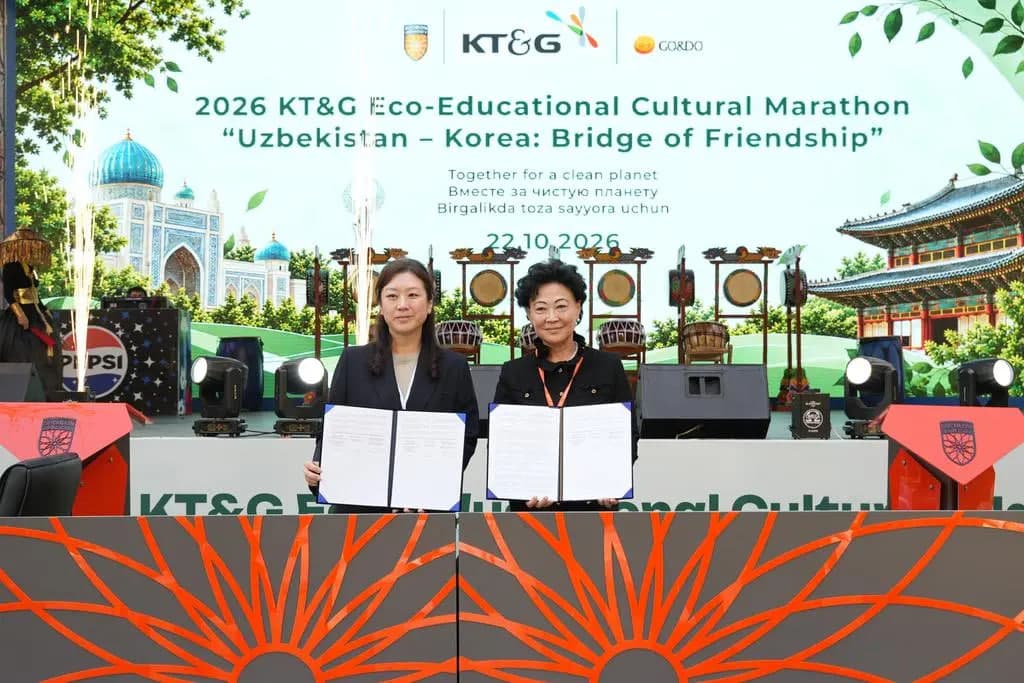
- A trilateral memorandum was signed between KT&G, Puchon University in Tashkent, and the Ministry of Culture of Uzbekistan
- KT&G has set goals for 2030: minus 42% Scope 1 and 2 emissions relative to 2020 levels, minus 20% water intake, 90% waste recycling
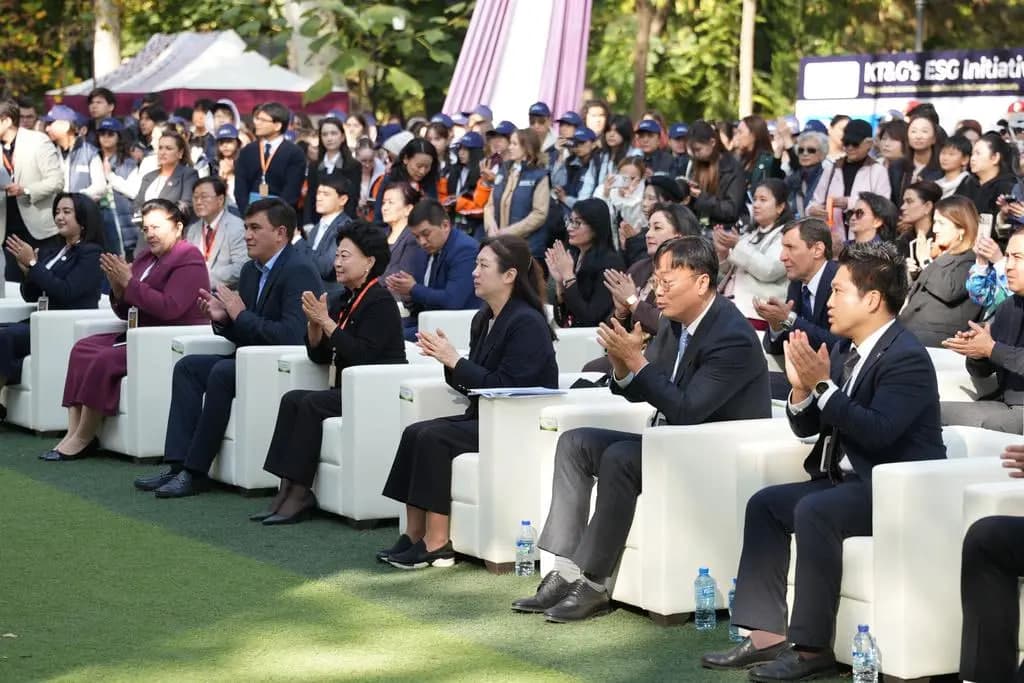
- The festival was attended by representatives of government bodies, including the khokim of Chilanzar district and an advisor to the Minister of Culture
Festival and memorandum in Tashkent
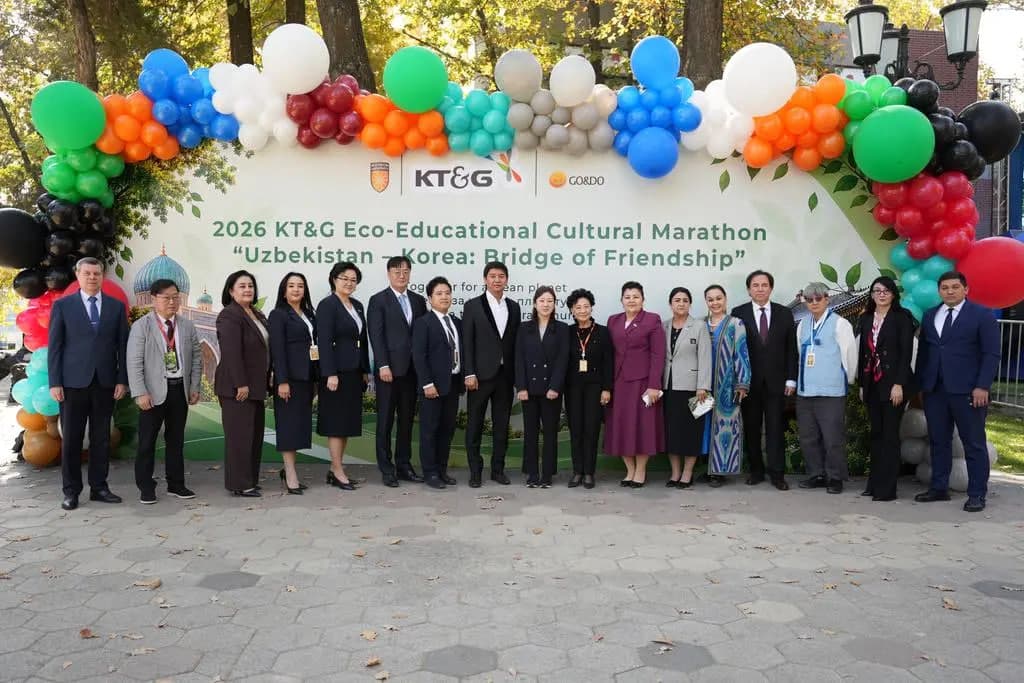
A festival organized at the initiative of the Korean corporation KT&G took place at the Tashkent branch of Puchon University. Its central event was the signing of a trilateral memorandum between the corporation, the university, and the Ministry of Culture of the Republic of Uzbekistan. According to Kun.uz, the document creates a foundation for future cooperation in the field of environmental culture, education, and international initiatives.
Corporate goals and participants
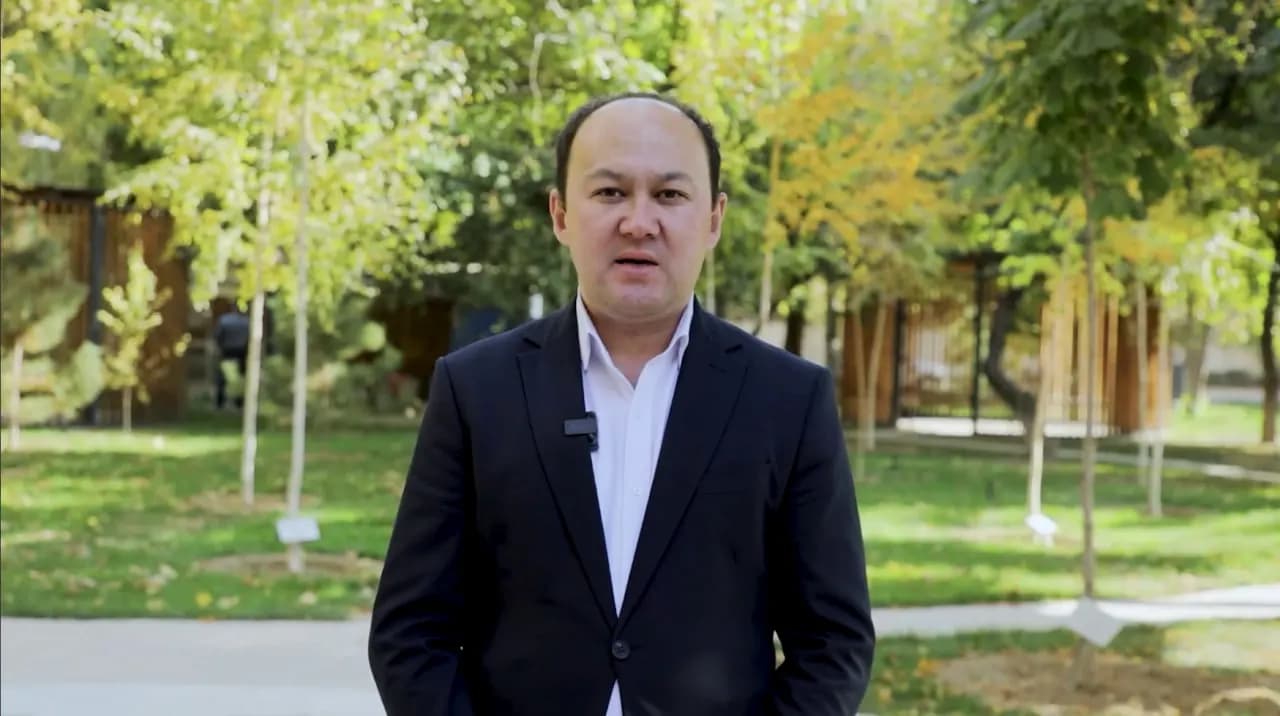
KT&G, which develops environmental management and social responsibility, has set goals for 2030: reduce Scope 1 and 2 greenhouse gas emissions by 42% relative to 2020 levels, cut water intake by 20%, and raise the waste recycling rate to 90%. The festival was attended by KT&G Eurasia President Cho Jae Young, head of KT&G Global TAS Lee Jongyub, and head of the ESG management office Young ah-Shim. The initiative was also joined by representatives of Uzbek government bodies and public organizations: Chilanzar district khokim Hayot Inogamov, advisor to the Minister of Culture on international affairs Shahrukh Akbarov, as well as representatives of the Oliy Majlis, the Senate, and the Ecological Party of Uzbekistan.
Statements and the significance of the signing
At the event, Young ah-Shim emphasized that environmental problems are no longer the problem of a single country: “This is an important task that must be solved together, by showing the solidarity of the whole world and joining efforts.” She also stated KT&G's intention to continue social and environmental initiatives and to strengthen cooperation with Uzbekistan. The practical significance of the signed document is that it moves the corporation's interaction with the university and the ministry beyond the framework of a one-off festival into a contractual dimension — although the specific joint projects envisaged by the memorandum are not disclosed in the publication.