The key facts
- The number of birdwatchers in Britain has grown from 2.7 million to more than 4 million over eight years
- Among Gen Z (aged 16–29), numbers rose from 61,000 in 2018 to 724,000
- Caitlin Andrew made a documentary about the hobby for BBC Alba and found the Feminist Bird Club community
From a grump on family walks to a devoted observer
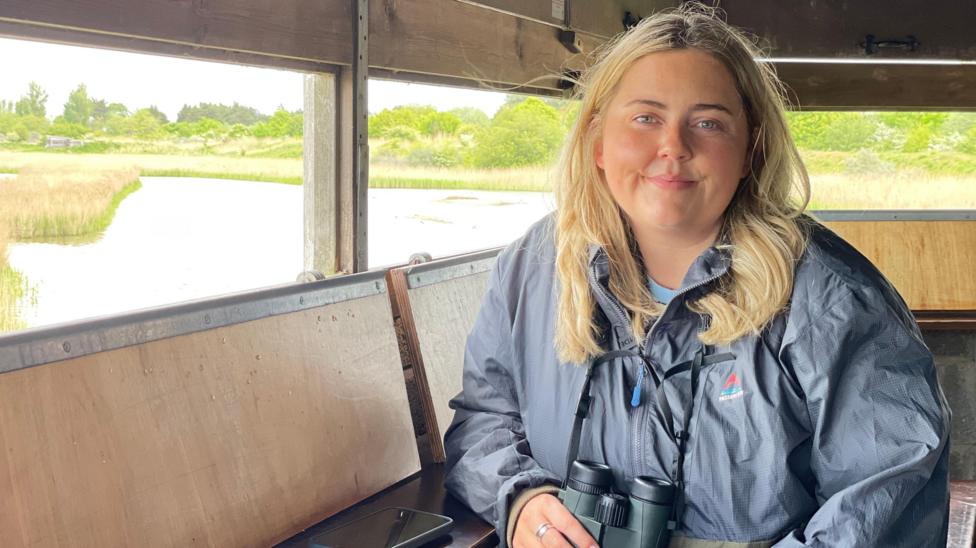
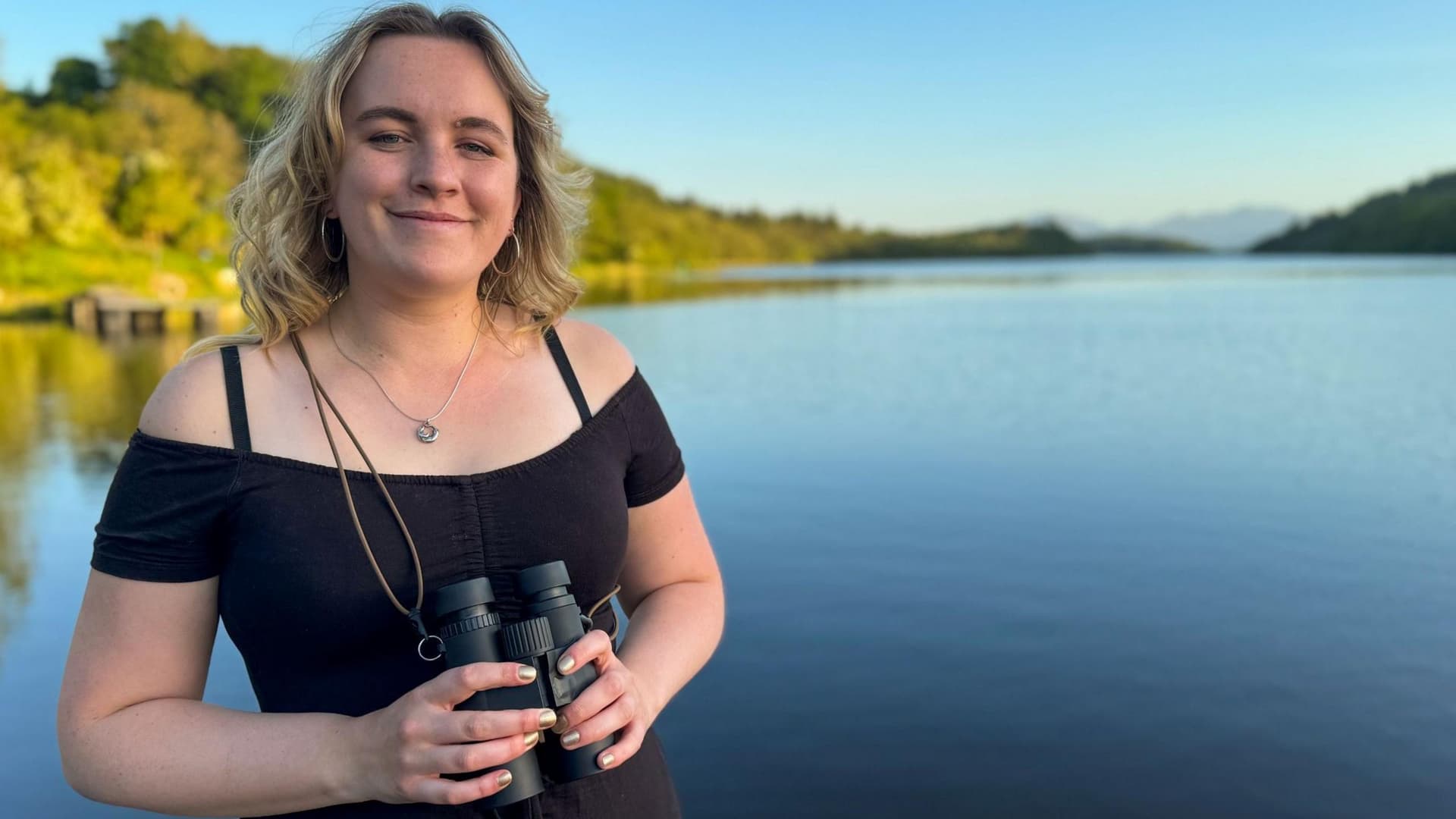
Caitlin Andrew, who grew up in Midlothian and lives in Glasgow,, recalls that as a teenager she grumbled on walks with her birdwatcher parents and did not share their interest. The turning point came three years ago, when she was 24 and studying in Glasgow: she says her mental health was poor, she felt drained of energy and struggled to connect with the world around her. During a family holiday on Islay — a southern island of the Inner Hebrides, where more than 120 bird species can be seen during the spring and autumn migrations — birdwatching brought her a sense of calm. Among her sightings she names gannets and white-tailed eagles. For her birthday she asked for a pair of binoculars, and among her favourite birds are gannets (big and powerful, like dinosaurs) and crested tits, which in the UK are found in the pine forests of the Highlands, Moray and Aberdeenshire; in the Cairngorms, she says, spotting one is especially special because they are rare.
A growing passion and a vanished stereotype
Caitlin's story is part of a noticeable shift. According to research carried out for the RSPB, the number of birdwatchers in Britain has grown from 2.7 million eight years ago to more than 4 million today, and the share of Gen Z enthusiasts — people aged 16 to 29 — has risen from roughly 61,000 in 2018 to 724,000. At first, though, Caitlin herself was embarrassed to admit to the hobby: she says it was associated with older people and a quiet retired life, and among her peers she was the only one taking it seriously. The idea that there were hardly any young birdwatchers was dispelled when she made a documentary for the Gaelic-language channel BBC Alba: she met the Inverness branch of the Feminist Bird Club — a group founded in New York in 2016 to make the hobby inclusive and safe — as well as women working in bird conservation professionally and as volunteers. The community, she notes, is very friendly: people are happy to show you something interesting through their lens.
Birds as a guide through the year and through life
For Caitlin, birdwatching has become a way of feeling the changing seasons: the chiffchaff heard in March or April means spring is approaching, while fieldfares and waxwings arrive for the winter. The hobby also helps her through difficult periods: birds, she says, are busy only with finding food, raising and fledging their chicks — they are just trying to survive — and against that backdrop her own problems, including political nonsense, seem very small. The BBC notes that this continues a trend noticed earlier: in May the outlet already reported on how young birdwatchers are flocking to nature reserves in large numbers.
 Image source, Nina Torrance/BBC Alba
Glasgow-based Caitlin Andrew found a passion for birdwatching in her early 20s
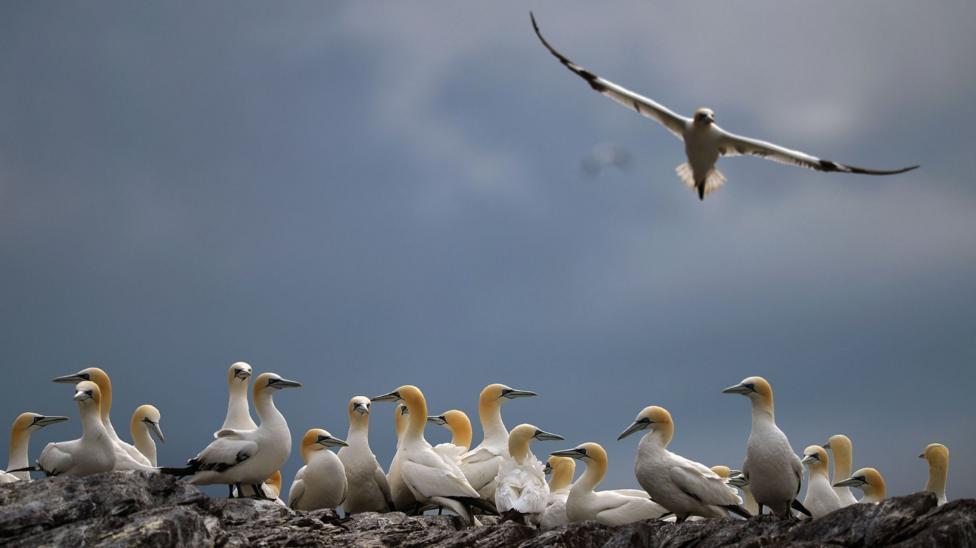 Image source, Getty Images
Gannets are one of Caitlin's favourite birds
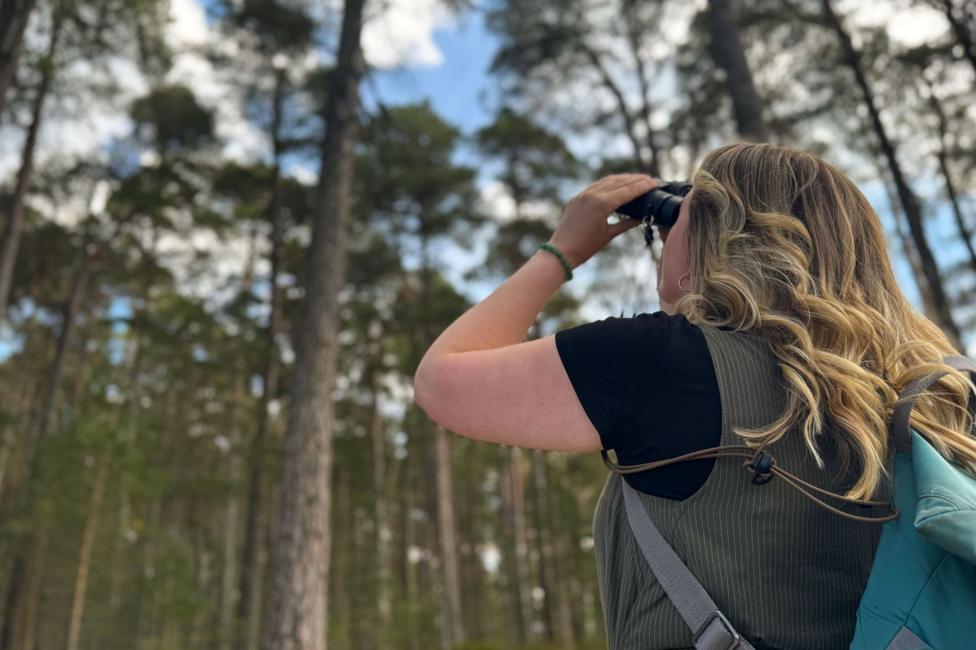 Image source, Nina Torrance/BBC Alba
Caitlin enjoys how different birds give pointers to changes in the seasons
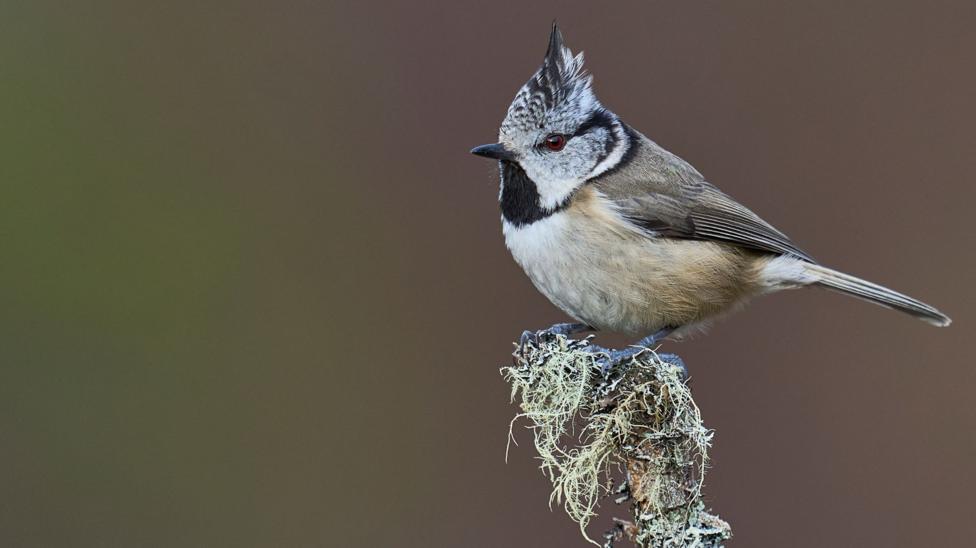 Image source, Getty Images
Crested tits are another of Caitlin's favourites to spot