The key facts
- A complete refusal to pay for utilities leads to debt and proceedings, deputy Ilya Wolfson warned
- A recalculation is made only for a specific service and for the period of the confirmed violation
- A recalculation requires a request to the emergency dispatch service and an instrument-based inspection — photos and videos may not be enough
Don't stop paying — demand a recalculation
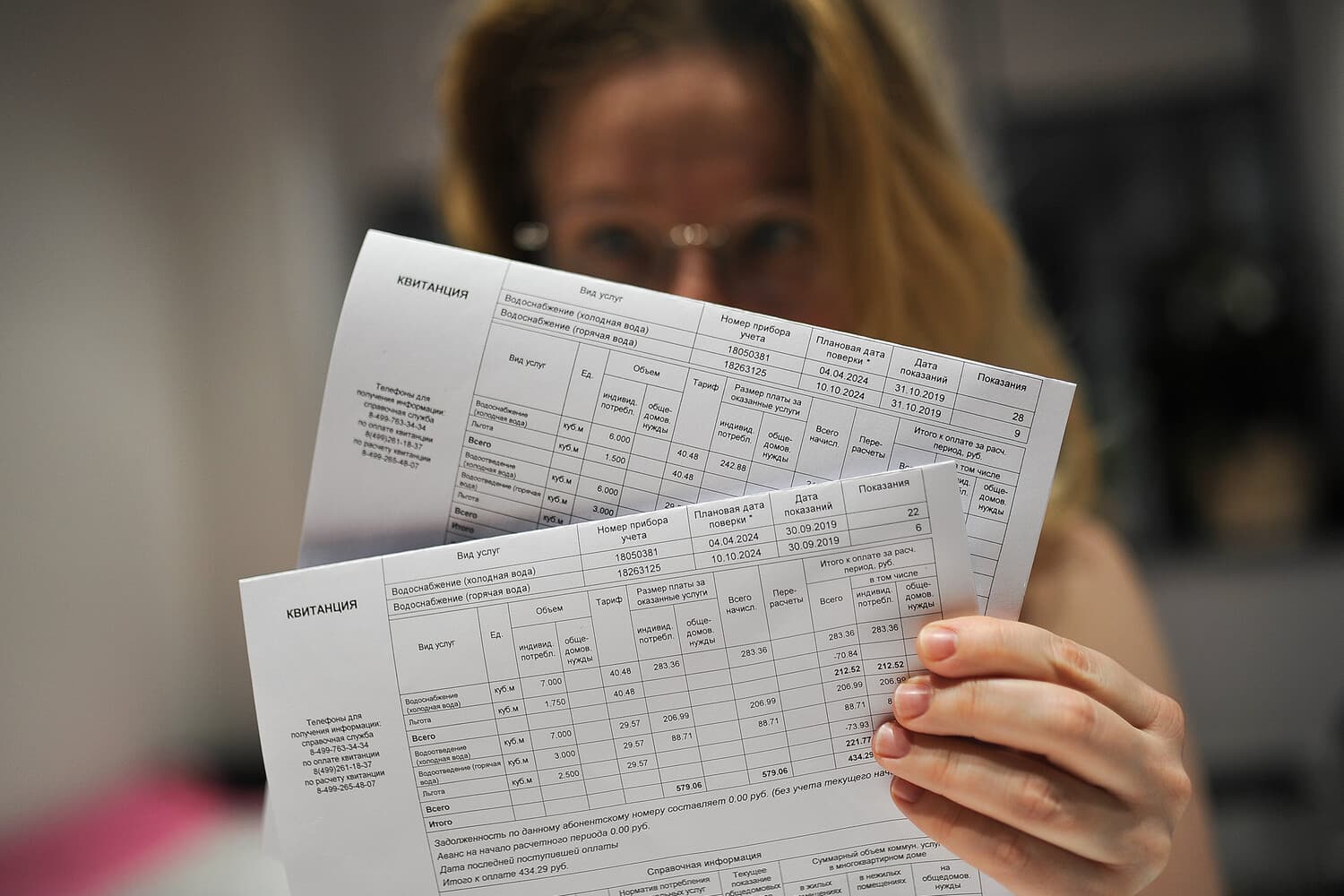
Citizens should not independently stop paying their utility bills entirely because of poor-quality housing and communal services. State Duma deputy and member of the Committee on Construction and Housing and Communal Services Ilya Wolfson (United Russia) told TASS in an interview; a report on this was published by Gazeta.Ru. According to him, non-payment will lead to debt and further proceedings, whereas the right course of action is a recalculation.
How the recalculation works and what is required for it
The deputy explained that a recalculation is made only for the specific service and for the period in which the violation has been confirmed — so refusing to pay the entire bill does not solve the problem. To obtain a recalculation, one must first contact the emergency dispatch service and keep the request number, the date and time of the call, and also demand an inspection using special instruments. According to Wolfson, photographs or videos may not be enough to determine the size of the recalculation.
Context: risks when changing a management company
Earlier, Russians were warned that during a change of management companies it is important for property owners to avoid mistakes when paying for utility services, so as not to accidentally accumulate debt to the legitimate provider; if payment problems arise, it was recommended to send an official request to the housing inspection via GIS ZhKKH. It was also previously explained how to reduce housing and utility costs due to medical treatment. Wolfson's new recommendation complements this advice: it concerns situations where there are complaints about the quality of the services themselves, and emphasizes that a dispute with the provider is resolved through a recalculation, not by refusing to pay.