The key facts
- Rosemary, mint, lemon and basil are named as oils for concentration, while lavender and cedar are for calm attention
- A diffuser with a timer, alternating oils and breaks are recommended due to the rapid adaptation of the sense of smell
- Olfactotherapy is described as a trend of the last two or three years that requires individual scent selection with a specialist
Which oils help you work
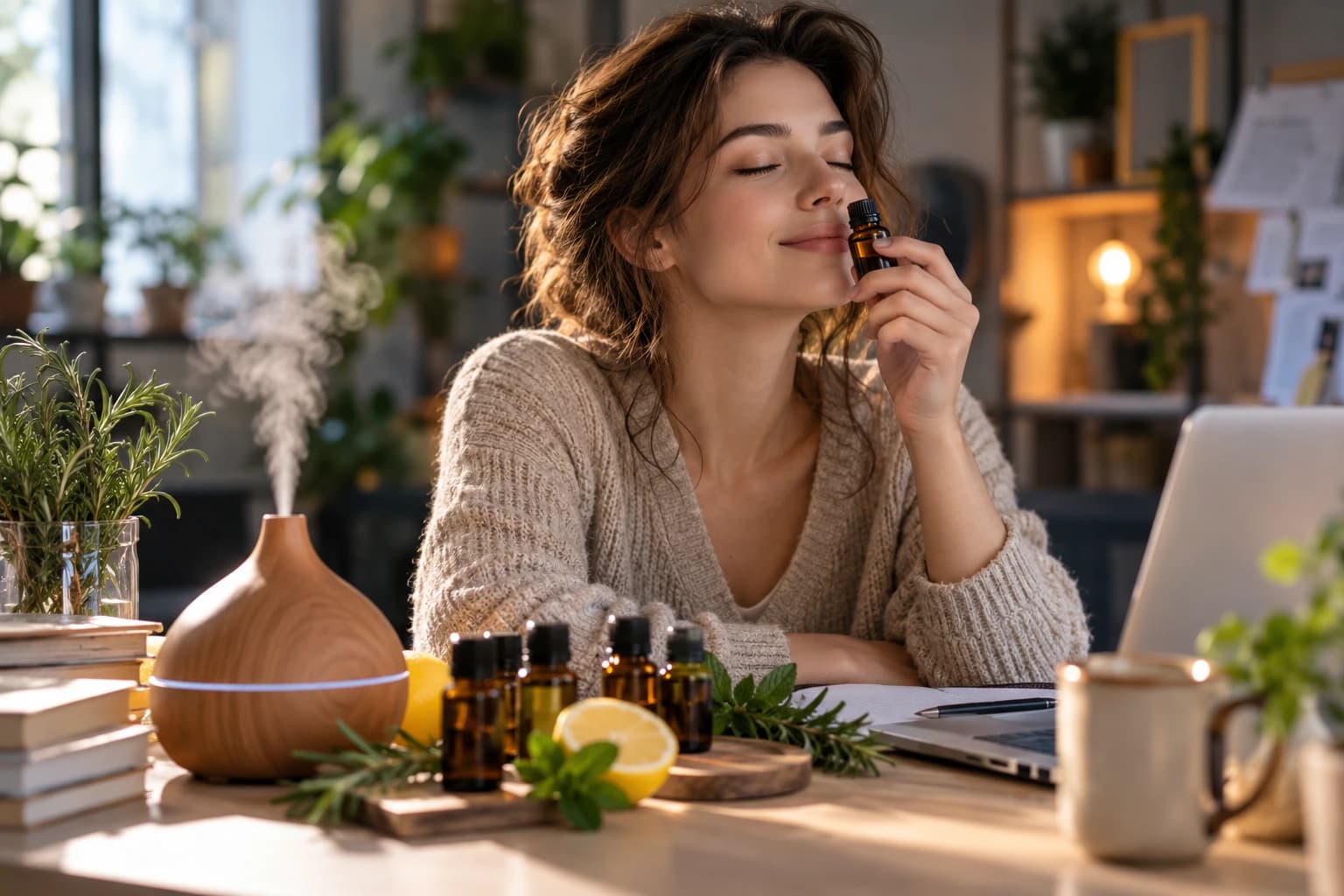
Alongside daily routine, sleep, nutrition and stress levels, the ability to concentrate is also affected by the olfactory environment. Body aromatherapist at the Ampermy practice center Irina Dobryanskaya, in a conversation with Life.ru, explained that aroma molecules reach the brain's limbic system, which is responsible for emotions, memory and attention, so a properly chosen scent can help you focus and reduce fatigue.
Alertness or calm focus
For mental work, she named rosemary — an oil for memory and attention that invigorates and helps with mental fatigue. Peppermint speeds up reaction times, but in some people it causes headaches. Lemon and other citrus oils refresh perception and make it easier to switch between tasks, while basil brings clarity of thought during prolonged intellectual work. Eucalyptus, juniper, black pepper and ginger were also mentioned. For tasks requiring thoughtfulness — writing texts, analyzing data, reading complex documents — she recommends different scents: lavender in low concentrations, cedar, sandalwood, chamomile, bergamot and ylang-ylang in small doses. According to her, there is no universal recommendation: every scent acts individually.
How to use them
She considers a diffuser with a timer the safest option: 15–20 minutes at the start of the day and short sessions throughout the day. An aroma lamp is acceptable but requires supervision. Essential oils must not be applied to the skin undiluted — they should be mixed with a carrier oil — and in a shared space a strong scent can disturb colleagues. The sense of smell adapts quickly, so a scent works only while it is noticeable: it is useful to alternate oils and take breaks, starting with the minimum dose.
Olfactotherapy and individual selection
Dobryanskaya noted that the same scent can evoke opposite states in different people, and described olfactotherapy — working with one's state through scent — as a relatively fresh trend of the last two or three years, increasingly discussed at professional forums and conferences. In her view, to select a scent for a specific task it is better to consult a specialist rather than rely only on general lists of oils.
Context: transmitting scents over the internet
Life.ru also recalls the development by scientists at Ohio State University — the Scentronic system, which reproduces scents remotely via the internet. The prototype recognizes five aromas: coffee, red wine, orange, beer and cake; an electronic 'nose' analyzes volatile substances, after which the signal is sent to a generator with aromatic liquids. In tests, 14 volunteers correctly identified the reproduced scents on average 73% of the time.