The key facts
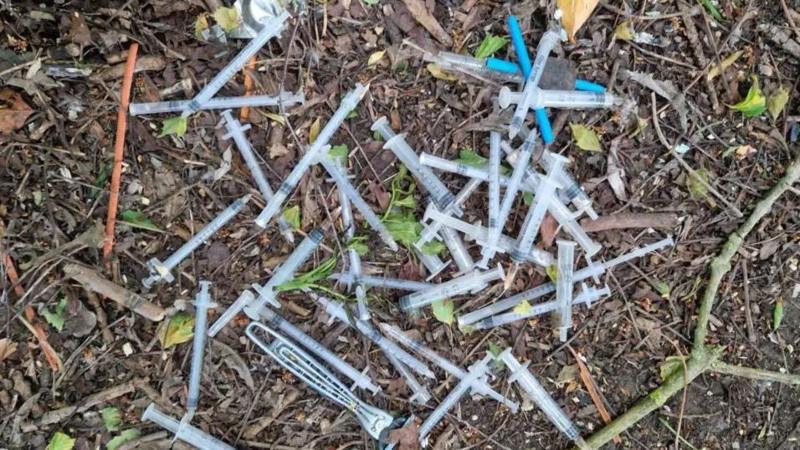
- Used needles are increasingly being found among household waste at a recycling plant in Coventry
- The rise is linked to the popularity of privately prescribed weight-loss injections (Mounjaro, Wegovy)
- After an accidental needle-stick injury, an employee must wait for test results, sometimes for months
Needles on the conveyor belt
The spread of injectable weight-loss drugs such as Mounjaro and Wegovy is leading to used needles increasingly ending up at recycling facilities, BBC News was told by industry leaders. Our correspondent saw a crushed yellow sharps container right on the conveyor belt at a plant in Coventry. Supervisor Paul Pagett explained that a resident had thrown the container into an ordinary bin, a refuse lorry crushed it, and the needles fell onto the line, putting staff at risk.
Scale and consequences
The Sherborne Recycling plant serves several local authorities and around 1.5 million residents. The facility is largely automated, but workers manually remove non-recyclable items and check waste streams, so they can come into direct contact with needles. Since the start of the year, the plant has collected an entire cabinet full of yellow containers pulled out of the waste stream. Managing director Richard Dobbs called needles getting into recycling the 'worst place' for them to be disposed of, because people come into contact with the waste. According to him, after an accidental needle-stick injury an employee has to take tests and wait for the results, which can take months; most often the results come back clean, but sometimes people contract serious infections.
Why needles end up in household waste
Some of the finds are probably linked to insulin: such patients usually receive sharps containers and disposal instructions. But, according to the plant's managers, the growing popularity of privately prescribed weight-loss injections has created a new problem: people who buy the drugs themselves may receive neither a container nor guidance on safe disposal, so needles end up in household bins in large numbers, and sometimes in recycling too. The advice given in the article is simple: contact your GP or a pharmacy for a container and instructions, and never throw a container or loose needles into the recycling bin.
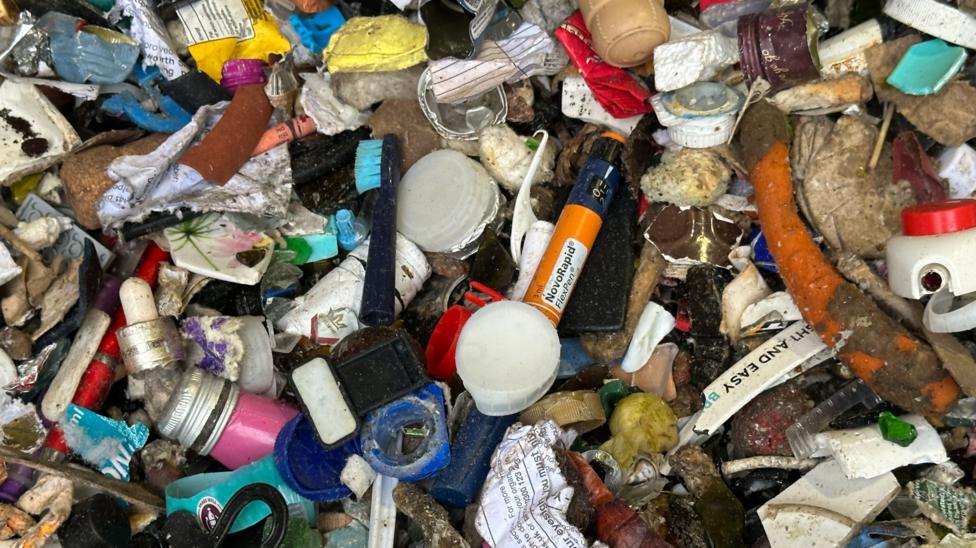
Recycling bosses say used needles are increasingly being found among household waste
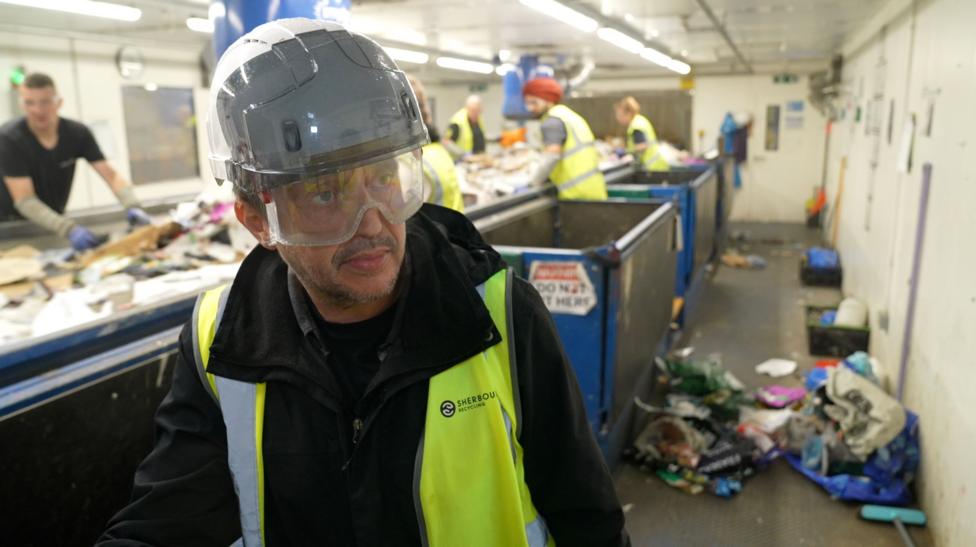
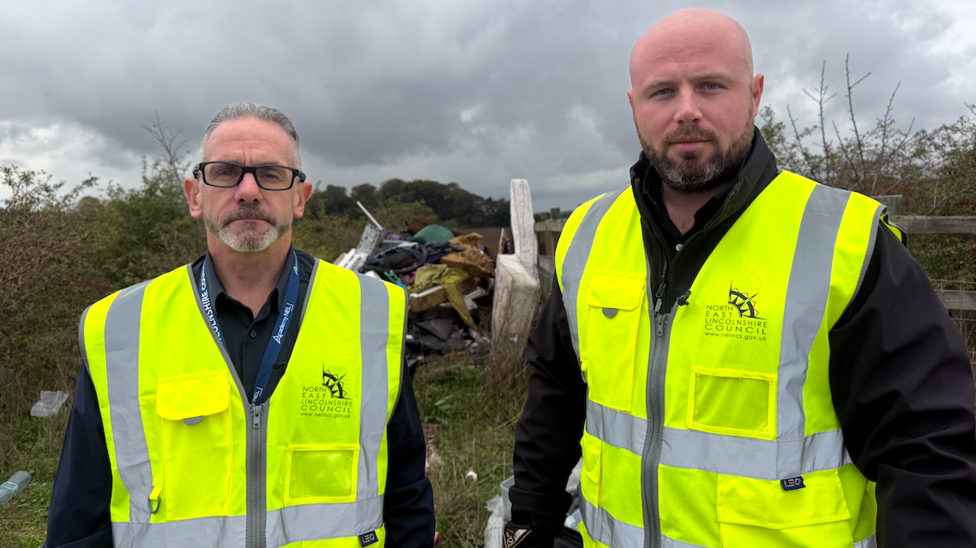
Paul Pagett said discarded needles were putting workers at risk
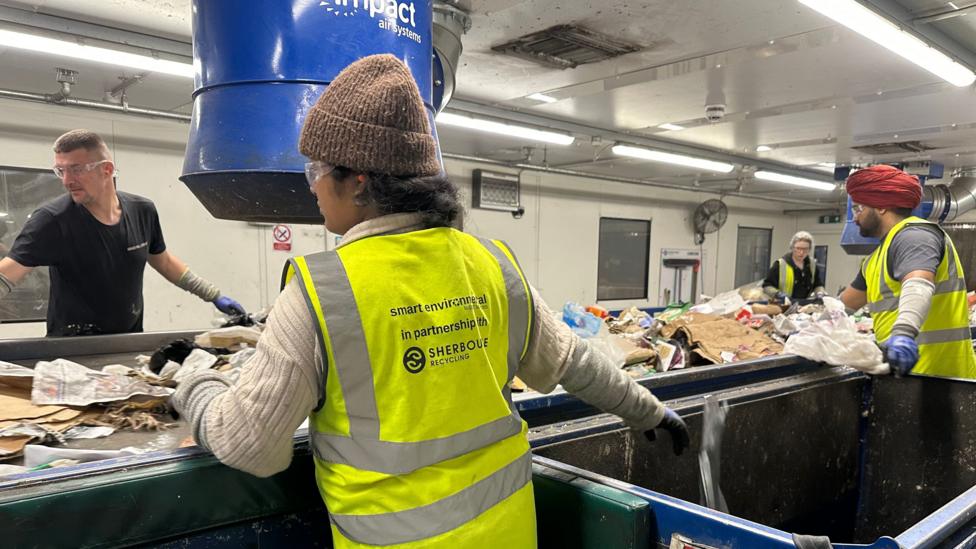
Workers must sift through waste by hand to remove items that cannot be processed
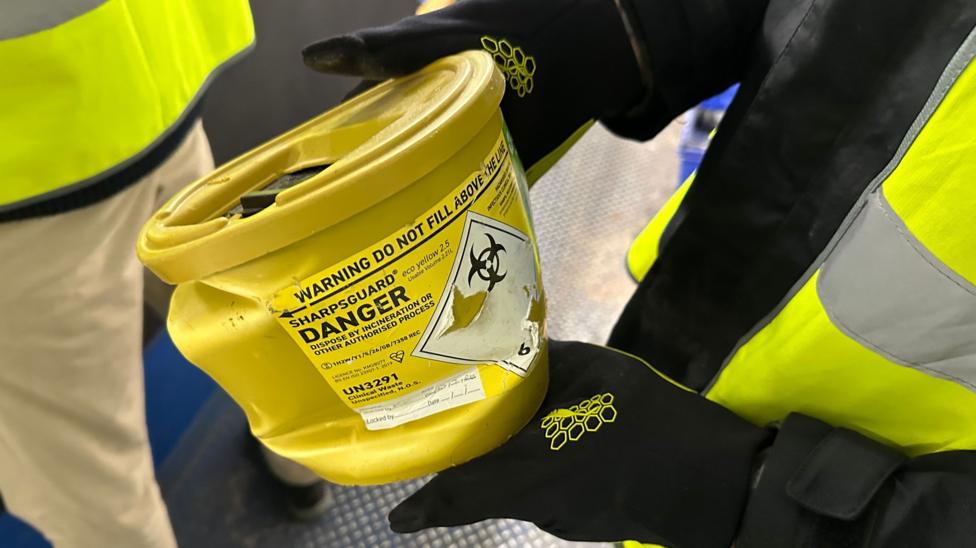
Sharps containers should be disposed of through dedicated clinical waste services