The key facts
- Zelensky said Ukraine has waited almost a month for Hegseth's approval of missile deliveries for Patriot and NASAMS
- Over the past week, according to Zelensky, Russia fired 48 missiles, about 1,600 guided aerial bombs and nearly 2,300 attack drones
- Global ammunition stockpiles are under pressure due to the US war in Iran: $22.3 billion worth of munitions expended
Zelensky reports a month-long delay in approval of deliveries
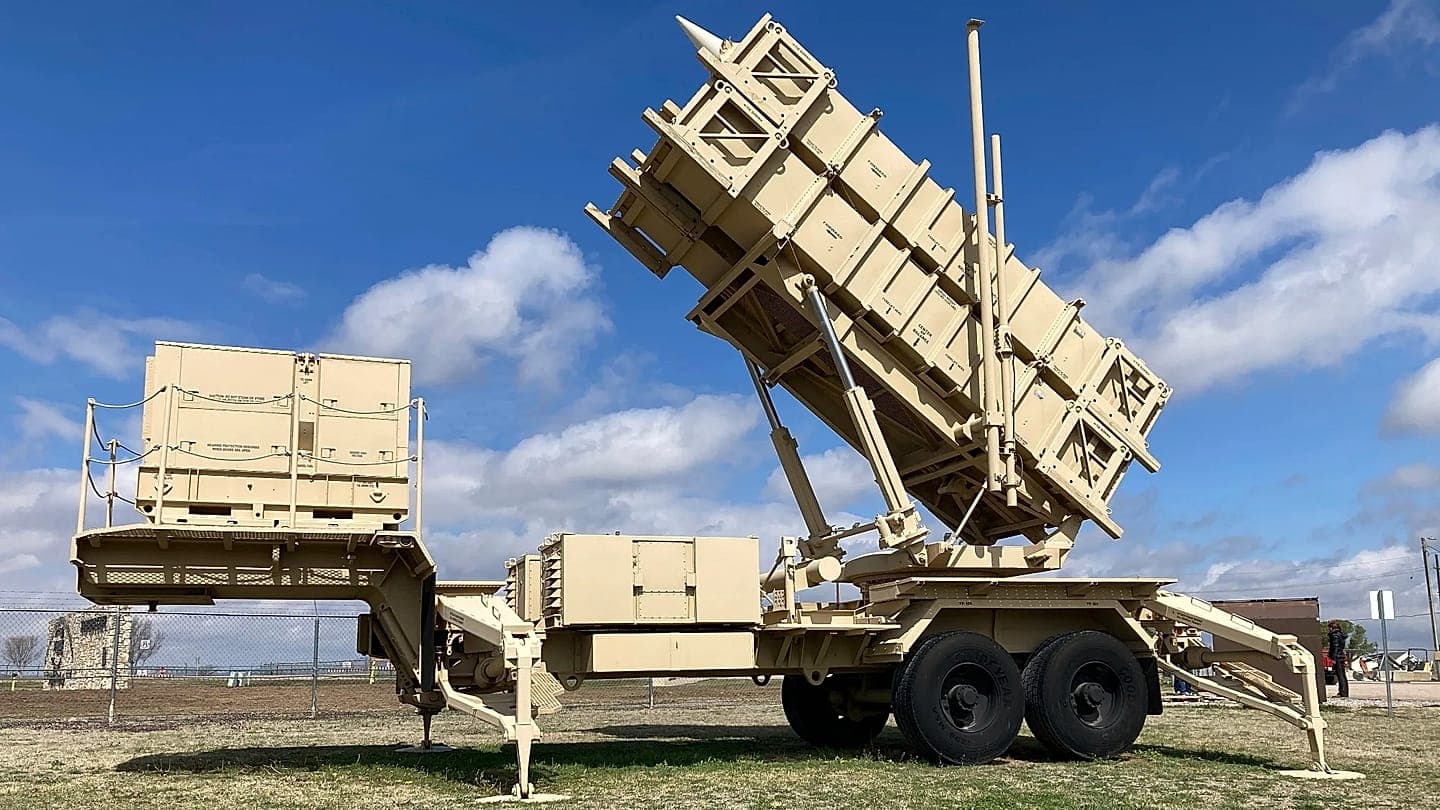
Ukrainian President Volodymyr Zelensky said on Monday, October 26, that Kyiv has been waiting for almost a month for US Defense Secretary Pete Hegseth to approve the delivery of interceptor missiles for Patriot and NASAMS systems. In a weapons deliveries update posted on social media, he wrote that Ukraine is working 'on several tracks: with the United States, Europe and other partners that have stocks of PAC-2 and PAC-3 missiles,' and that he has instructed his team to raise the issue again in Washington. According to him, talks with other countries are also ongoing (euronews).
Context of the strikes and the request for interceptors
Kyiv has repeatedly stressed the need for additional interceptors amid Russian missile strikes and attacks by jet-powered drones. On Sunday, Zelensky reported that over the past week Russian forces fired 48 missiles at Ukraine, including ballistic ones, as well as about 1,600 guided aerial bombs and nearly 2,300 attack drones. 'Unfortunately, almost every day these barbaric strikes kill and wound people,' he wrote on X, adding: 'We need the delivery of Patriot interceptors, already approved by European countries, to be unblocked.' The Patriot is one of the most advanced air defense systems in the world, capable of countering threats ranging from aircraft to ballistic missiles (euronews).
The PURL mechanism and pressure on global stockpiles
Most Patriot missiles reach Ukraine through NATO's PURL initiative (Prioritised Ukraine Requirements List), which allows allies to purchase military equipment and ammunition in the US for Kyiv. According to NATO, by June 2026 the allies have committed to financing deliveries worth more than $6 billion through this mechanism. At the same time, global ammunition stockpiles have come under serious pressure in recent months due to the US war in Iran: according to a Defense Department inspector general report published in September, from the start of Operation Epic Fury in late February through the end of June US forces expended $22.3 billion worth of munitions. Colonel Yuriy Ihnat of the Ukrainian Armed Forces said in an interview published on Monday that the number of Patriot missiles used in the Middle East could have covered several years of combat operations in Ukraine (euronews).
What remains unclear
The exact number of missiles awaiting Hegseth's approval has not been disclosed: Ukrainian media report only that it is a significant quantity. Editorially, it is notable that the delay sits at the intersection of two processes — the already approved European funding for interceptors and the need for a US administrative decision to release them — while the pressure on stockpiles from the US war in Iran, according to the Pentagon inspector general's report and Ihnat's assessment, shrinks the available pool of missiles. It remains unknown when Washington will make its decision and on what scale the deliveries will be unblocked.