The key facts
- Guterres praised Brazilian voters for their civic engagement after the runoff on Sunday
- Lula da Silva won his fourth non-consecutive term against Senator Flávio Bolsonaro
- On Serbia, the UN limited itself to 'taking note' of the elections and thanked citizens for their participation
The UN's reaction to the elections in Brazil
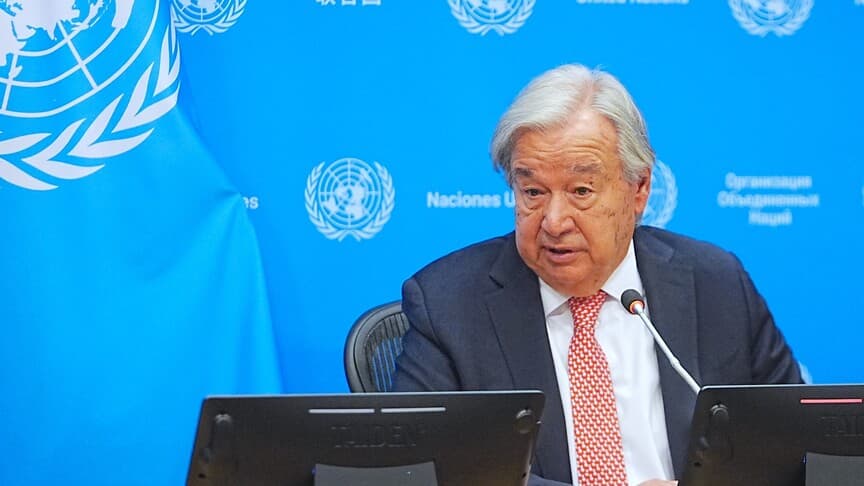
UN Secretary-General António Guterres welcomed the 'peaceful and large-scale nature' of the presidential elections in Brazil, his official spokesperson Stéphane... no — his official spokesperson Daniela Gross de Almeida reported on Monday at a briefing for journalists. According to her, Guterres praised Brazilian voters for their civic engagement and commitment to the democratic process after the runoff held on Sunday.
Results of the runoff
Luiz Inácio Lula da Silva secured his fourth non-consecutive term as President of Brazil, defeating Senator Flávio Bolsonaro in the runoff. Lula received 51.79% of valid votes — more than 64 million ballots, against 48.21% for Bolsonaro.
The UN's readiness to cooperate
The UN spokesperson said the organization reaffirms its readiness to continue working with Brazil on issues of mutual interest on the international agenda, including sustainable development, human rights, climate action, as well as peace and security.
Elections in Serbia
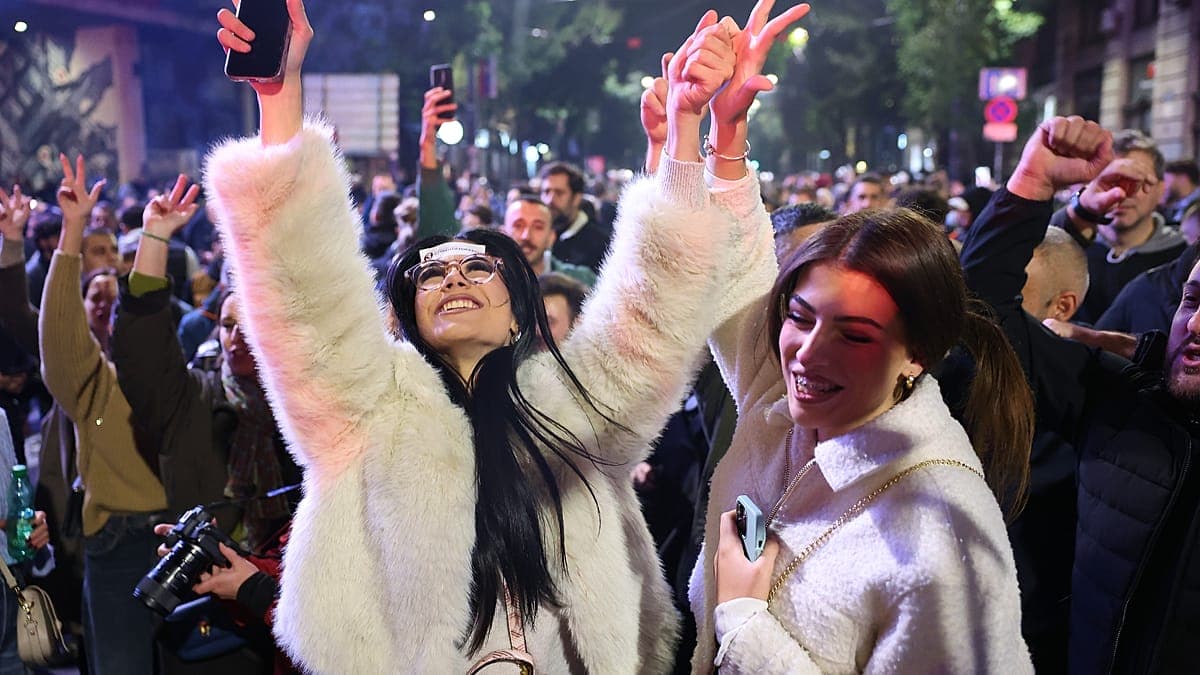
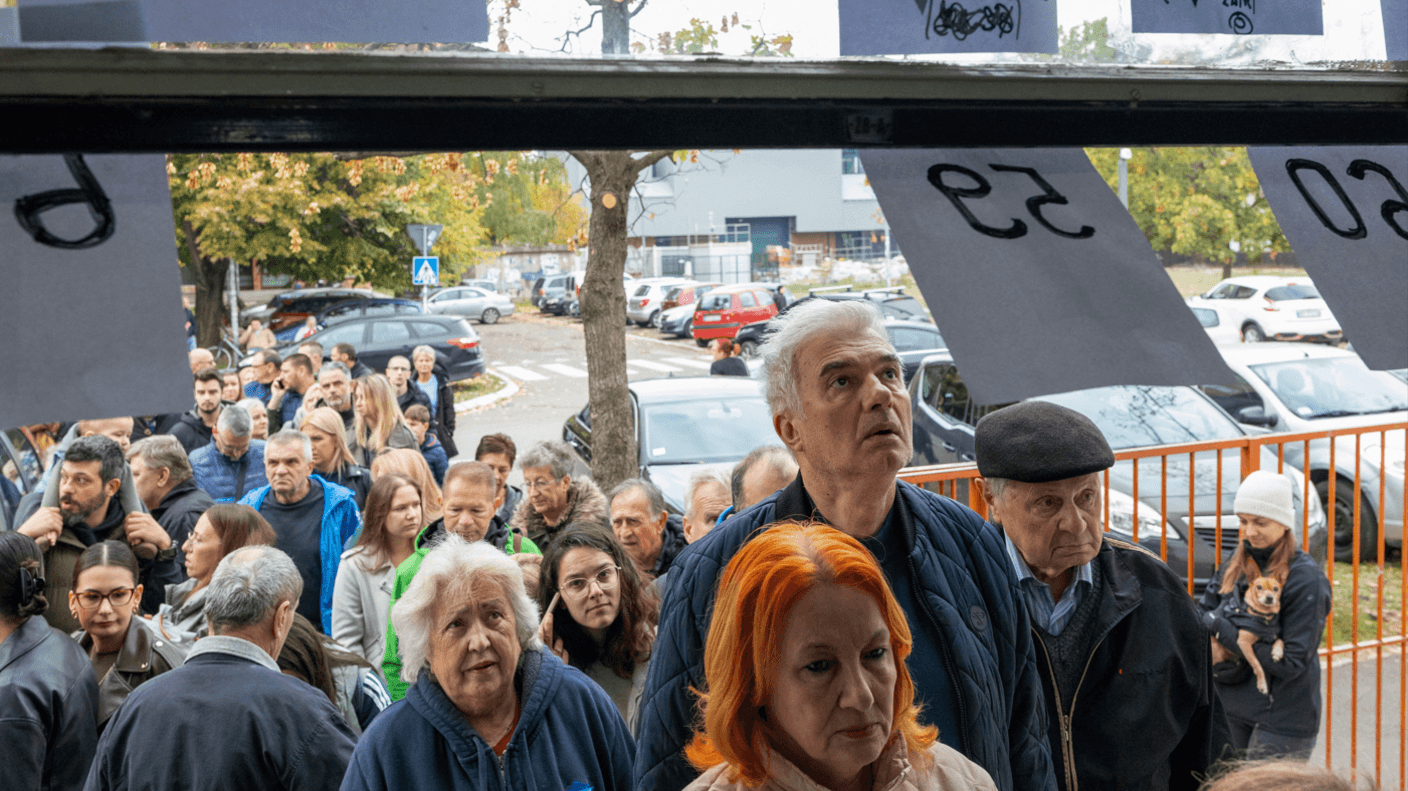
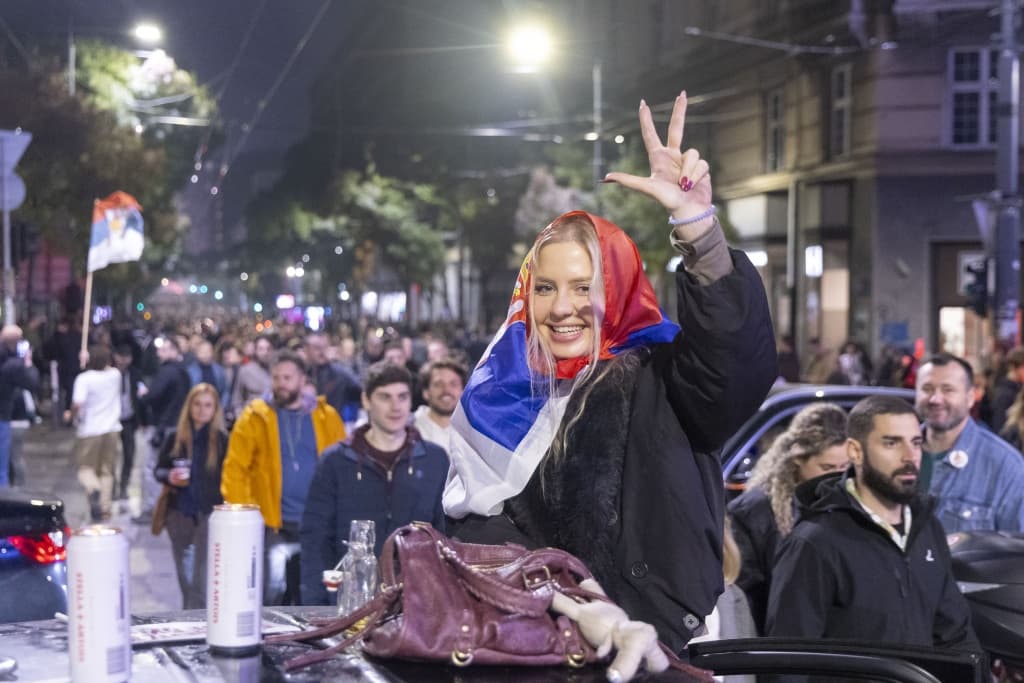
Turning to Serbia, where a student-led protest movement brought an end to the 14-year rule of former president Aleksandar Vučić, de Almeida said Guterres also thanked the Serbian people for their participation in the elections. Unlike Brazil, where the secretary-general directly welcomed the conduct of the vote, regarding Serbia the UN, in the agency's wording, merely 'took note' of the parliamentary elections.
Context and significance
The difference in wording — a direct welcome for Brazil and a neutral 'taking note' for Serbia — stands out against the fact that in both cases the UN emphasized voter turnout. Editorially, this may reflect the differing political sensitivity of the two campaigns, although the sources themselves do not offer such an assessment. For Brazil, the practical consequence of the UN's stated position is the continuation of cooperation on climate, human rights and security, while the election outcome determines who will represent the country in these negotiations in the coming years. The report does not provide details on the formation of Brazil's new government or the final composition of the Serbian parliament.