The key facts
- By 14:00 local time, turnout stood at 46% — almost a million more than in the December 2023 elections
- By 14:00 local time, turnout stood at 46% — almost a million more than in the December 2023 election
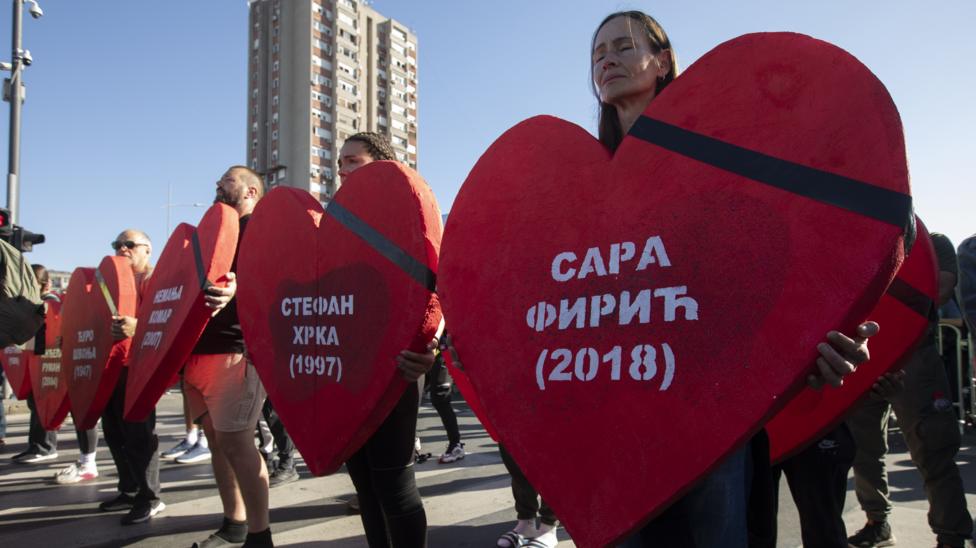
- The elections followed two years of student protests over the collapse of a railway station canopy that killed 16 people
- Students deployed at least two observers to each of the 8,210 polling stations; attacks on observers and journalists were reported
- Students assigned at least two observers to each of the 8,210 polling stations; attacks on observers and journalists were reported
Record turnout amid a standoff between the government and the student movement
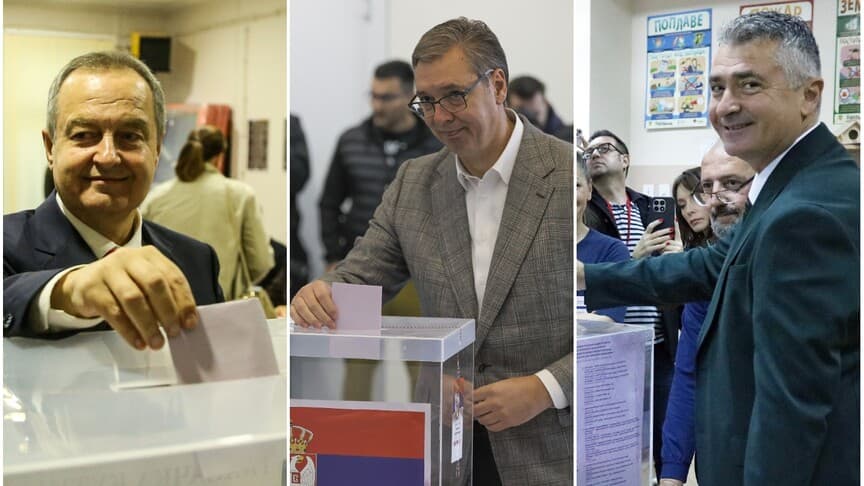
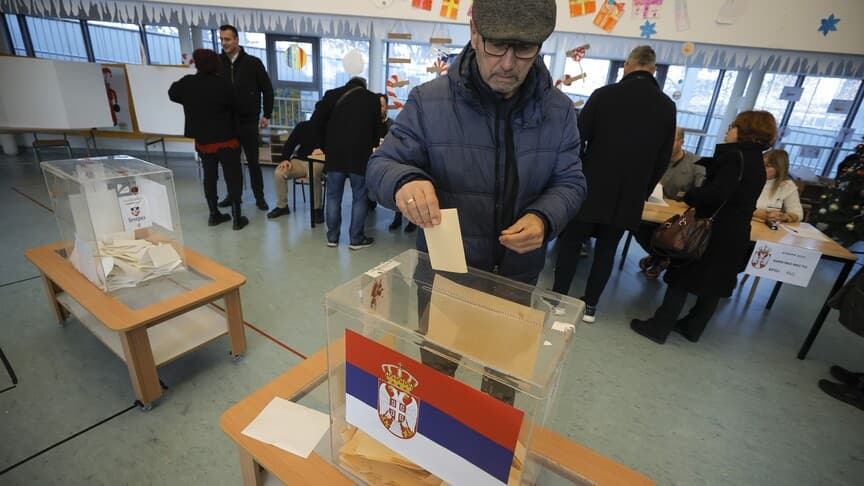
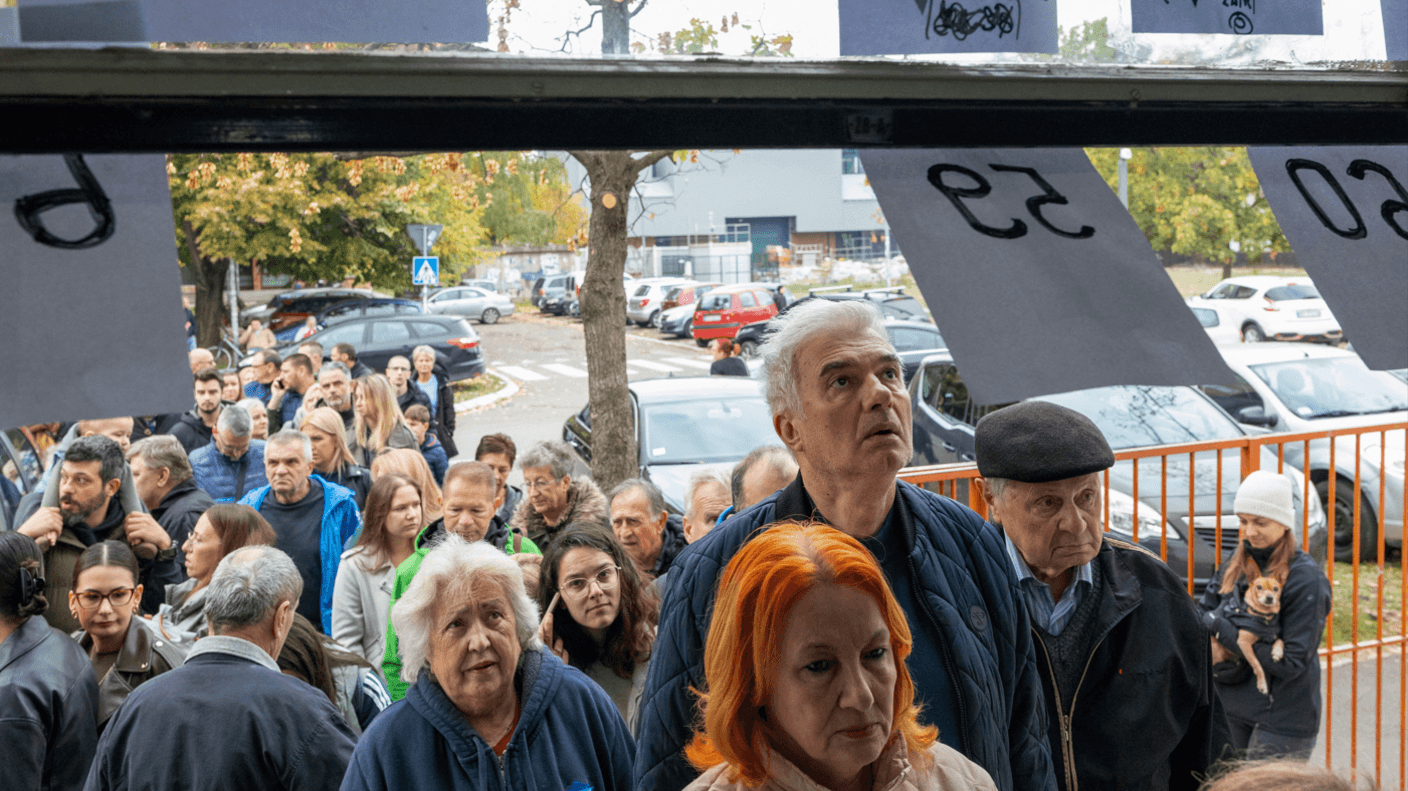
At Serbia's early parliamentary elections, preliminary figures point to a record-high turnout: by 14:00 local time (13:00 GMT), 46% of voters had cast their ballots — almost a million more than at the comparable moment of the previous elections in December 2023. This is reported by BBC News, whose correspondent is reporting from Belgrade. Queues formed at polling stations both in large cities and small ones, as well as abroad — in Ljubljana, Munich, Los Angeles and Chicago; in Paris, Serbs waited to vote in heavy rain.
The stakes: continuity or a change of power
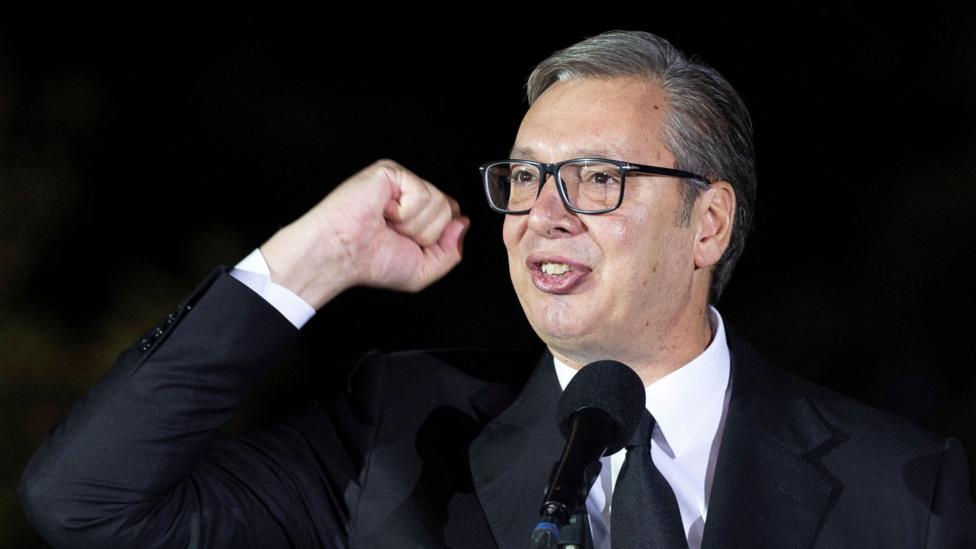
The elections were called by Aleksandar Vučić after two years of student protests triggered by the collapse of a canopy at a railway station in 2024, which killed 16 people; the disaster was seen as a symbol of corruption and negligence in the country. According to the BBC, the high turnout fuels the hopes of the anti-corruption 'Students' List' of unseating Vučić and his Serbian Progressive Party (SNS), which has been in power since 2012. The movement's manifesto provides for removing officials who broke the rules while suppressing protests, ending the practice of appointing party loyalists to head state-owned enterprises, and freeing the public broadcaster from political control. Vučić and the SNS deny corruption and attempts to influence the media. Most commentators, the BBC notes, believe that a final turnout of 65% or higher would play into the students' hands.
Candidates and the parties' positions
Vučić, who has served two presidential terms and is barred from a third, heads the SNS list (the party is listed first on the ballot), hoping to return to the post of prime minister, which he left in 2017. He promises higher pensions and public-sector salaries and investment in healthcare, supports Serbia's EU membership, but refuses to impose sanctions on Russia over the war in Ukraine. The 'Students' List' (number three on the ballot) was formed differently: assemblies at university faculties selected 250 candidates, including doctors, actors, scientists and athletes; the list is led by Professor Ilija Srđanović of the University of Novi Sad.
Tensions and reports of irregularities
Tensions in the country are high: in Belgrade, police have blocked the streets around the Republican Electoral Commission (RIK). Fearing falsification by the SNS, the students deployed at least two observers to each of the country's 8,210 polling stations. A video was circulating on social media from the southern city of Niš, where, according to the authors of the recording, ballots were being pre-filled in a café with a 'private party' sign — a practice known as 'chain voting'; when the participants noticed they were being filmed, the papers were hidden away. There were also reports of attacks on observers and journalists at a number of polling stations. Former Deputy Prime Minister Žarko Korać, in a comment to the BBC, called what is happening 'a unique experiment in recent European history', noting that the 'Students' List' candidates do not know each other and that it is impossible to predict what will happen after their victory. In his view, if the result is close and both sides declare victory, the country could face weeks or months of political instability.
Context and data limitations
The electorate stands at 6.45 million people, with a population of 6.53 million, which, as the BBC notes, raises questions about the reliability of voter registers; Serbs from Kosovo and dual citizens from neighbouring Bosnia are also entitled to vote. Voting closes at 20:00, with the first results expected in about two hours. The editor notes: the reported irregularities are claims and circulating videos, not confirmed findings of investigations; the final results and the parties' reactions to them were unknown at the time of publication. The event matters because, for the first time in the years of SNS rule, an opposition movement that grew out of the protests following the Novi Sad tragedy has a genuine chance of taking power — the outcome will determine whether the country's current governing model survives, and a close result, in Korac's assessment, threatens prolonged instability, which will directly affect Serbian citizens awaiting the results this very evening.
 Image source, Reuters
People queue outside a polling station in Novi Sad, Serbia's second-largest city
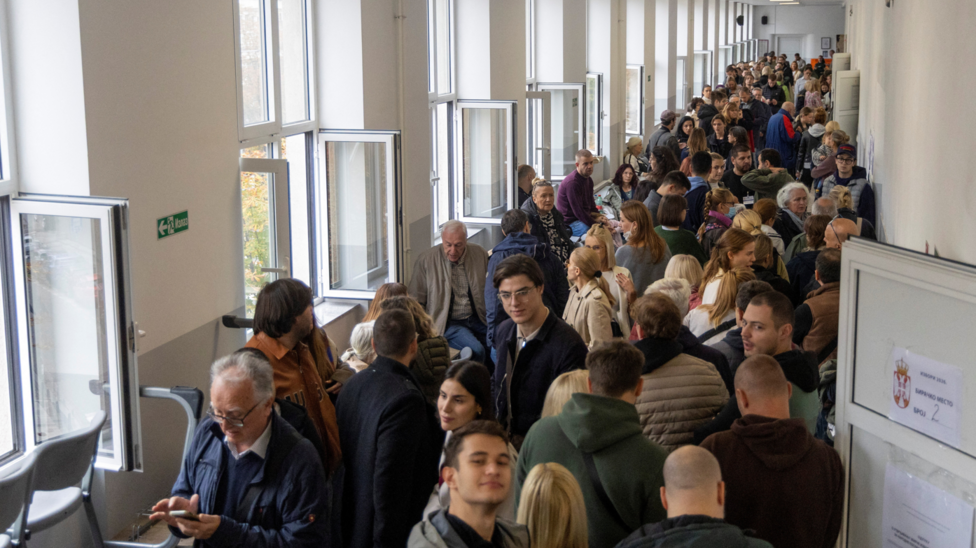 Image source, Reuters
People wait in line to cast their votes in the capital, Belgrade
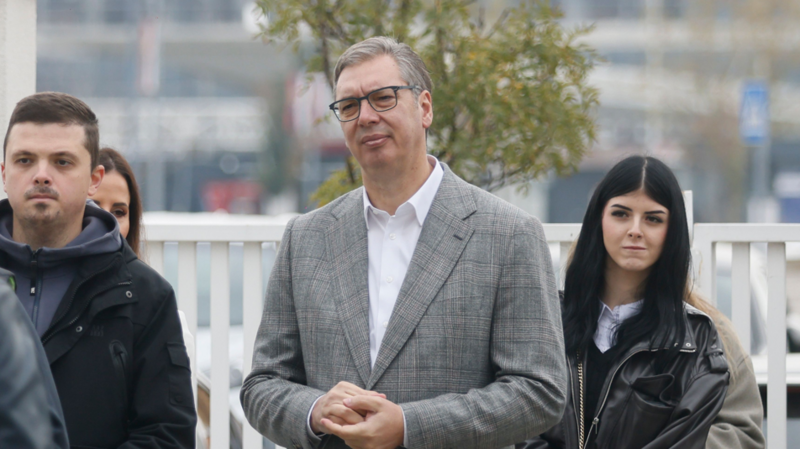 Image source, EPA
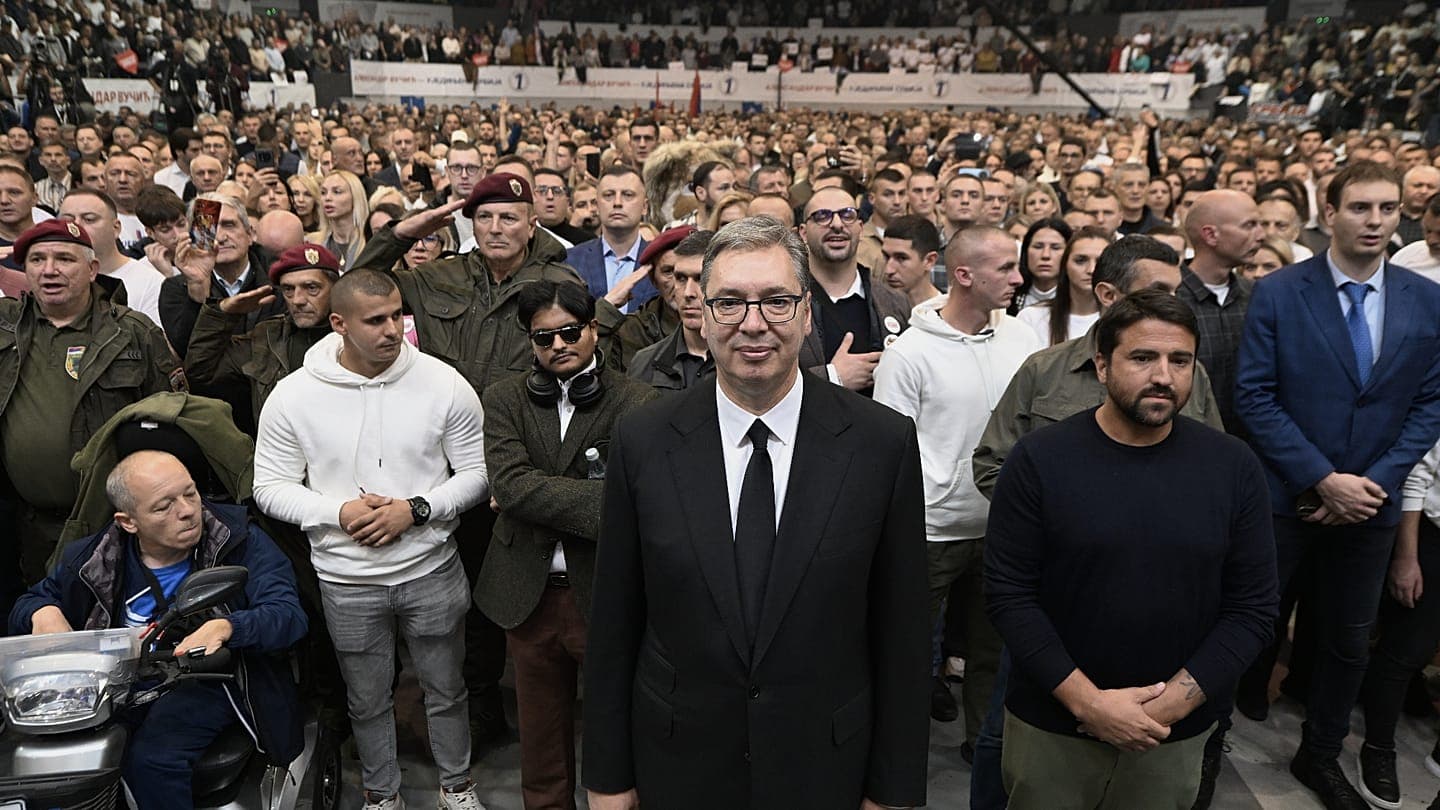
SNS candidate Aleksandar Vucic waits in line at a polling station
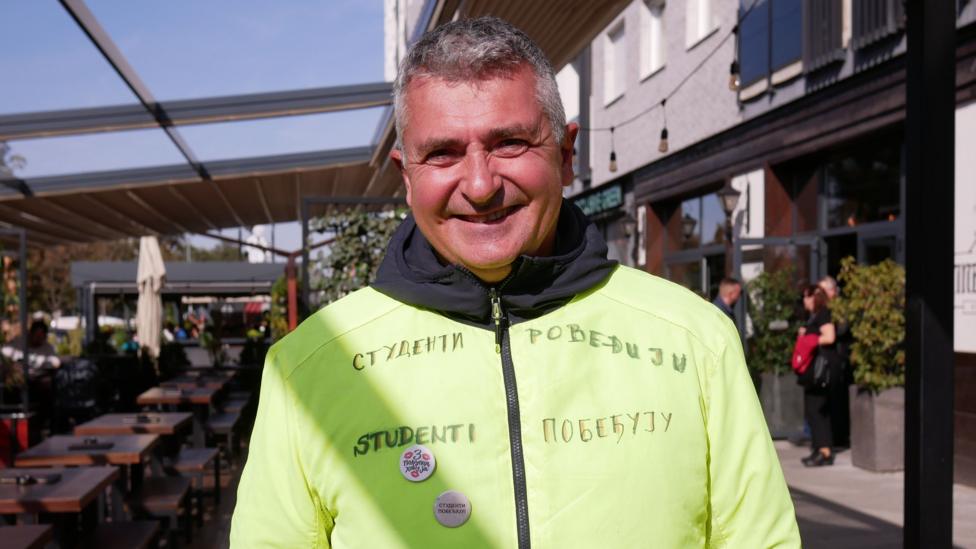 Image source, Guy Delauney/BBC
Ilija Srdanovic tops the Student List's 250 candidates, but would not necessarily lead Serbia if they won