The key facts
- Burnham: he would like to see the UK return to the EU within his lifetime, but the decision belongs to the British people
- He ruled out rejoining the EU before the next general election and dismissed rumours of an early election
- The prime minister believes an open discussion of Brexit could bring together voters who voted differently
Burnham on rejoining the EU: the decision belongs to society
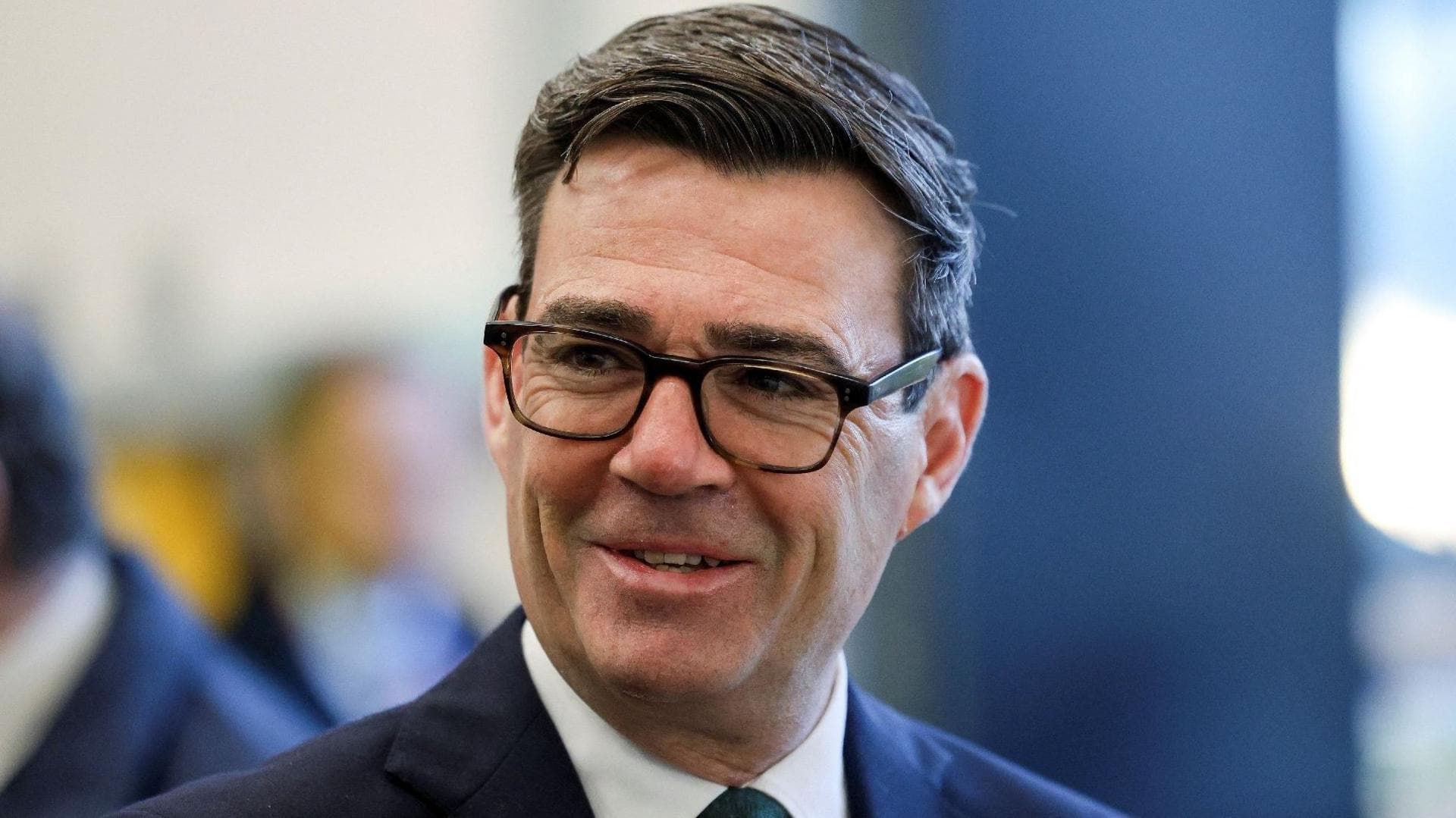
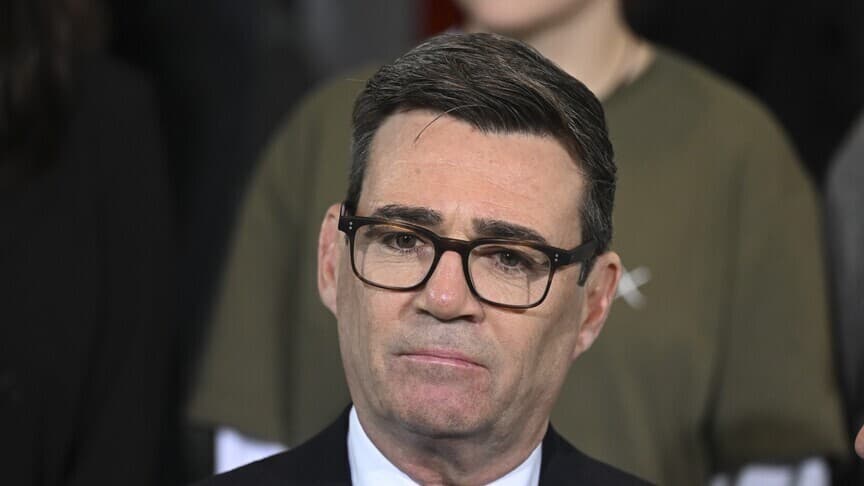
UK Prime Minister Andy Burnham said that revising the country's relationship with the European Union could help bring people together, but stressed that the decision to rejoin the bloc must be made by British society. He said this on Monday in an interview on ITV's Good Morning Britain, hosted by Susanna Reid and Richard Madeley, Anadolu reports. 'I have said — and I'll be honest — that in my lifetime I would like to see it happen, but I am not going to get ahead of public opinion. I will not impose my own views. The British people must be in charge here,' he said. Asked whether he considers himself the prime minister destined to bring Britain back into the EU, Burnham replied: 'Honestly — no.'
A pragmatic approach and criticism of the current arrangements
The prime minister named a pragmatic approach to the country's problems as his priority: 'My job is to be pragmatic. Can I make this work better? Can I add growth to the British economy?' He rejected suggestions that he was reopening the debate on the Brexit referendum, in breach of a promise made during the campaign for the Makerfield by-election. Instead, Burnham repeated his thesis that the UK should revise its post-Brexit arrangements with the EU, because the current settlement does not work. In his view, a more practical and open conversation about Brexit could bring together voters who voted differently in the 2016 referendum: 'The divisions we have been through over the past decade really must end, and we need to unite people.' He added that without addressing the relationship with Europe, he would not be able to set a direction for the country or offer options on 'how we do this right.' Burnham once again ruled out rejoining the EU before the next general election.
Early elections ruled out
In the same interview, Burnham dismissed rumours of an early general election, saying that the election will not happen 'any time soon'. Asked to clarify, he replied: 'No, I have ruled that out,' and recalled that he had stated his position before the Labour Party conference. 'I just don't think people want another backward-looking squabble. I think they want me to get on with the job,' the prime minister said. When host Susanna Reid returned to the topic at the end of the interview, he repeated that an early election is not part of his plans: 'People can simply put it out of their minds.'
The significance of the statements
The statements matter because they set the tone of the debate over the future of the UK's relationship with the EU: the prime minister simultaneously outlined a personal goal (rejoining the bloc in his lifetime) and firm constraints — the decision rests with voters, and no steps before the next election. This directly affects British voters and businesses that depend on post-Brexit rules which, by Burnham's own assessment, 'do not work.' The practical implication of his words is that revising the current arrangements with the EU remains on the government's agenda, whereas the question of membership and an early election has been officially taken off it by him.