The key facts
- The two-day Canada-EU summit is taking place in Montreal; topics include defense, AI, and critical minerals
- A possible status for Canada as the first 'associated member' of the EU is being discussed; the contours of the status are unclear, and EU treaties do not describe such a possibility
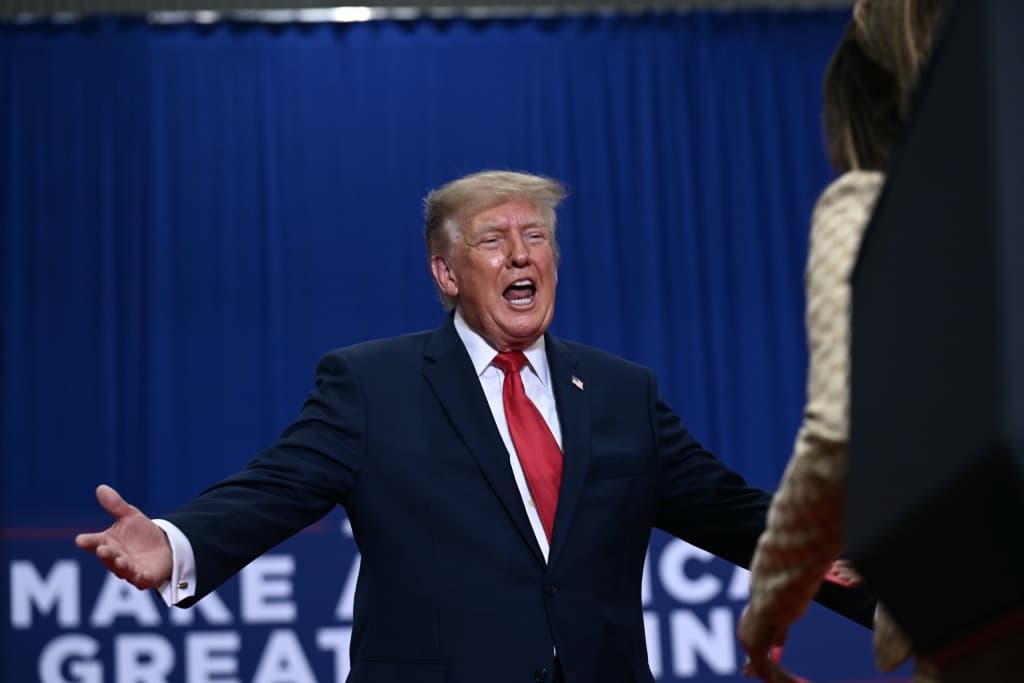
- Trump called the idea 'laughable' and a 'hostile act'; European right-wing politicians and Canadian conservatives are also opposed
Summit in Montreal amid tensions with Washington
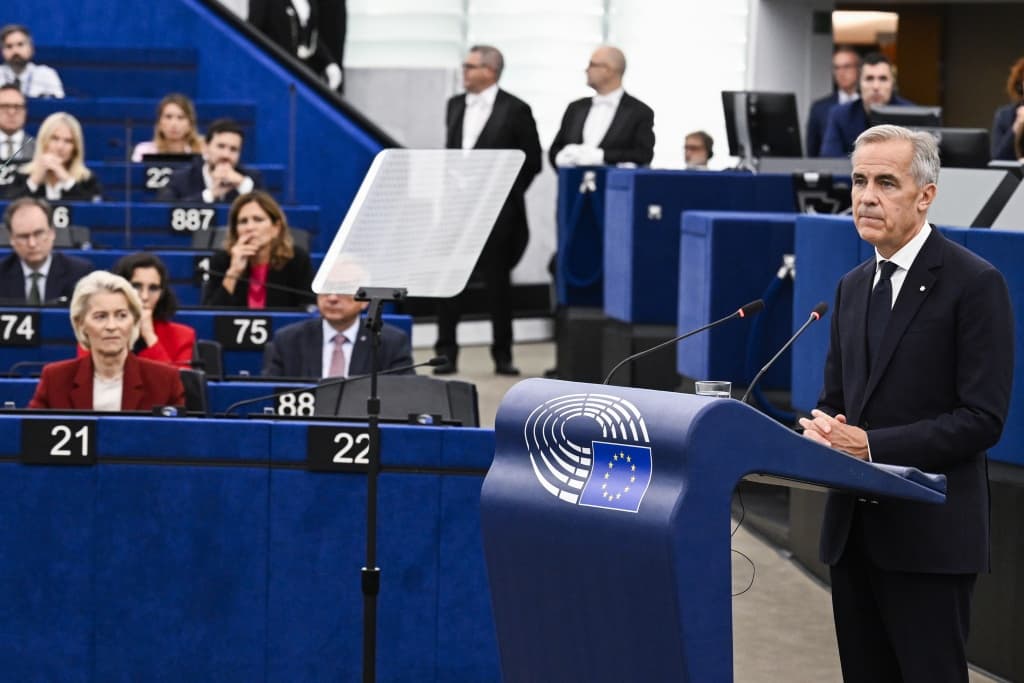
The leaders of Canada and the European Union are meeting this week in Montreal at a two-day summit, the goal of which is to deepen the alliance amid both sides' strained relations with the United States, AFP reports. Canadian Prime Minister Mark Carney said in a speech to the European Parliament last month that 'Europe and Canada are stronger together.' One impetus for the rapprochement was, in particular, an idea proposed by European Commission President Ursula von der Leyen that Canada could become the first 'associated member' of the 27-nation bloc. Summit participants intend to agree on concrete steps in the areas of defense, artificial intelligence, and critical minerals.
Economic motives and expert assessment
Canada, hit by American tariffs, is looking for new economic opportunities abroad, in order to reduce its dependence on the United States. Carney calls the EU a natural partner, joking that Canada is 'the most European of non-European countries.' Timothy Snyder, a professor in Toronto, considers this pivot a tactically sound response to Washington's hostility: if you can be cut off from the American market at any moment, it makes sense to have 'as much in reserve as possible,' and Europe is a suitable alternative; in his view, even if the trade war subsides, Canada will end up in a more diversified position. The EU, for its part, is also looking for reliable partners: the bloc has admitted Canada to its defense procurement alliance and is inviting Canadian officials to key meetings. German MEP Tobias Kremer called for moving 'from exchanging love letters to real commitments.'
Uncertain status and internal resistance
The contours of the 'associated member' status remain unclear: the EU treaties do not provide for such a possibility. According to a draft joint declaration obtained by AFP, Canada could join the Erasmus student mobility program, the Galileo satellite navigation system, or join the proposed European Security Council — a concept backed by von der Leyen. The idea drew a sharp reaction from Donald Trump: after the EU's proposal, he threatened to cut off trade with the bloc, calling the plan both 'laughable' and a 'hostile act.' There is opposition within Europe as well: French right-wing MEP Angéline Fure argues that the existing free trade with Canada 'is ruining our agricultural sector.' The CETA agreement, signed in 2016, eliminates tariffs on 98% of goods, but has not been fully implemented — France, among others, does not comply with it, and it is extremely unpopular among French livestock farmers. Canadian conservatives also oppose the rapprochement: Conservative Party leader Pierre Poilievre declared that Canada 'will never be the 51st state of the United States, but it will also never be the 28th state of the European Union.'
Why it matters
The outcome of the summit will determine whether Canada gains a real mechanism for reducing its dependence on the US market — from participation in Erasmus and Galileo to defense procurement — which directly affects Canadian businesses, students, and the defense industry. At the same time, the results will show whether the sides are capable of agreeing on specifics: as AFP notes, CETA has still not been fully implemented after ten years, and the associated membership status has no legal description, so the summit's declarations may remain just declarations.