The key facts
- Burnham said 'no' when asked whether he could introduce free movement without a public vote, but BBC sources note that no decision has been made
- The prime minister rules out major changes to relations with the EU before the next general election, which must be held no later than 2029
- The Conservatives and Reform UK oppose the return of free movement, while the Liberal Democrats believe it would help economic growth
Burnham leaves the referendum question open
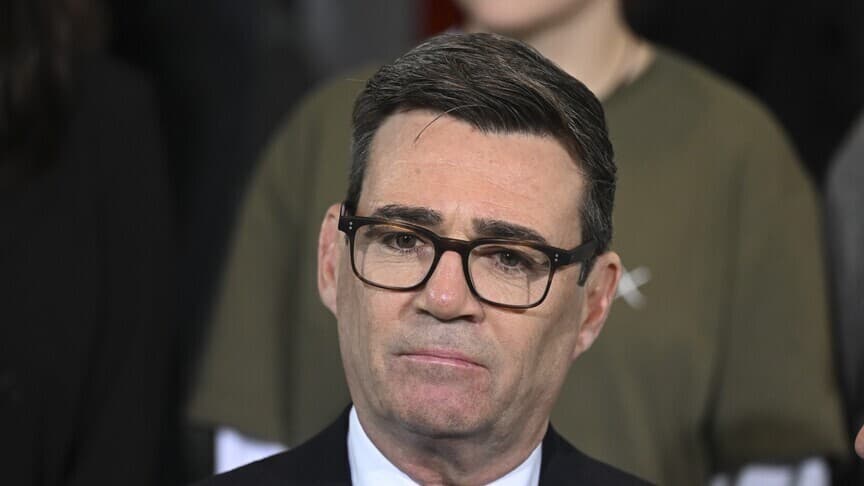
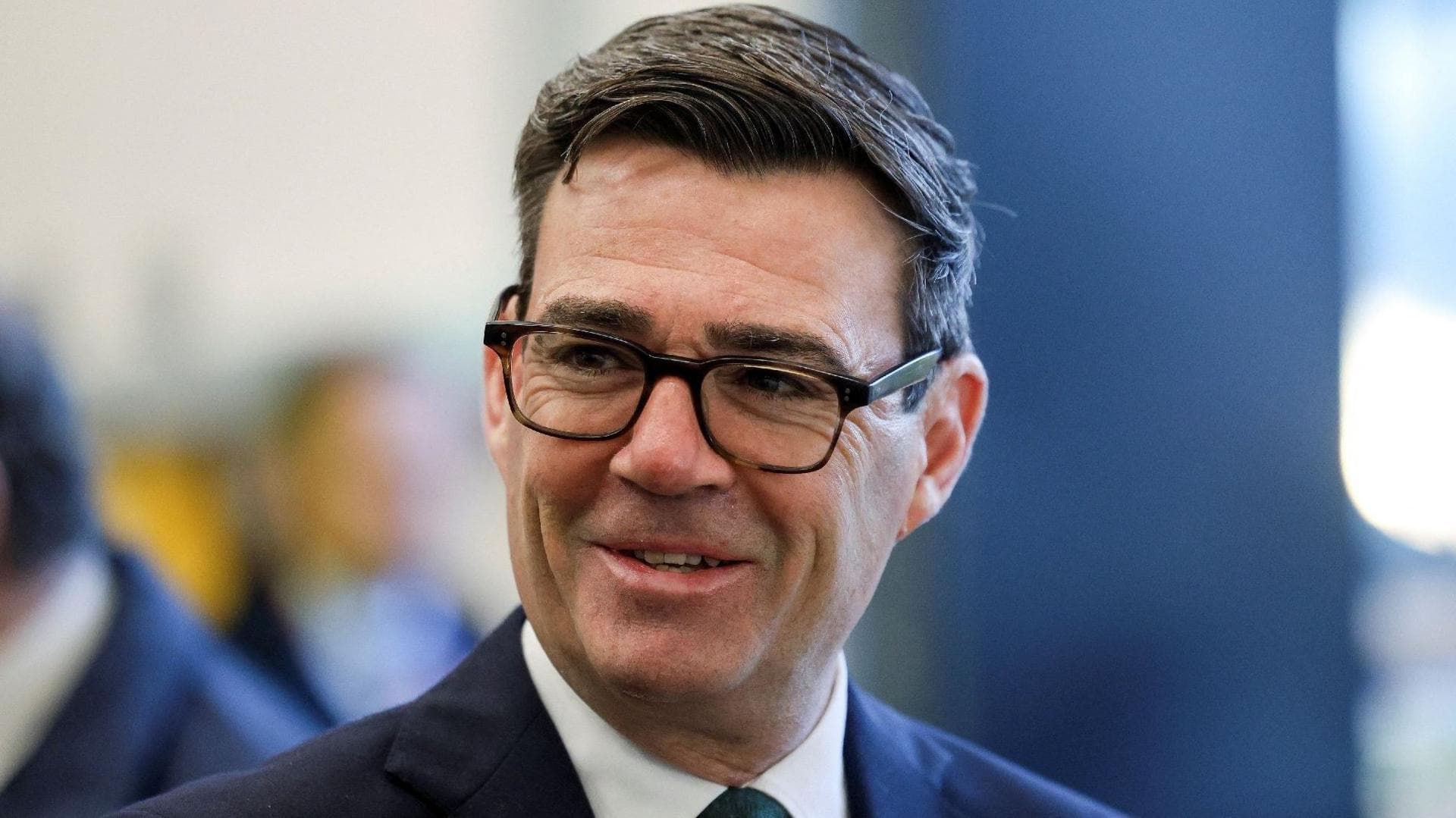
UK Prime Minister Andy Burnham has left open the question of a possible referendum on free movement with the European Union. Asked by journalists whether he could introduce free movement without a public vote, he said 'no' and added that he would 'never go ahead of the British public when it comes to Brexit'. At the same time, sources told the BBC that no final decision has been made on the matter, and the prime minister himself is understood to be against a rapid return to free movement, believing that a conversation about the future of the UK's relationship with Brussels should come first.
What the prime minister is proposing
According to the BBC, Burnham has ruled out major changes to the relationship with the EU before the next general election, but wants to begin a discussion of possible options; these are expected to be set out around the time of the EU summit next month. The prime minister reaffirmed his commitment to the Labour Party's 2024 election manifesto, which ruled out a return to free movement, single market membership or a customs union, and stressed that any changes would require a mandate at a general election, which must be held no later than 2029. However, according to BBC information, the potential options, he said, could range from no change at all to rejoining the customs union, the single market, or a new referendum on EU membership.
'An honest conversation' and the prime minister's position on migration
In an interview with the Sunday Times, Burnham said he would welcome 'an honest conversation' about the prospect of restoring free movement between the UK and the EU. He argued that the nature of migration has changed since Brexit: more foreign nationals are moving permanently, whereas, in his view, under EU membership migration consisted 'mostly of young people' who spent a few years in the country before returning home. At the same time, he said: 'I cannot imagine ever recommending anything connected with joining the eurozone or Schengen.' Burnham also claims that since Brexit the country has lost its former control over immigration: 'for example, the small boats crisis has arisen over the last 10 years because we lost the returns agreement', which allowed arrivals to be sent back in cooperation with other countries.
Party reactions
The prime minister's position has already caused a split among the opposition and allies. The Conservatives and Reform UK oppose the return of free movement: Conservative leader Kemi Badenoch said that most people who voted for Brexit did so precisely because they did not want free movement, while Reform leader Nigel Farage called such a step 'a complete betrayal of Brexit Britain'. The Liberal Democrats, by contrast, argue that free movement would boost economic growth. Free movement, which allows EU citizens to live, study and work in any country of the union, is a precondition for membership of the EU single market.
Why this matters
The prime minister's statements set the frame for the public debate on the future of the UK's relationship with the EU ahead of the union's summit next month. The issue directly affects migration policy and businesses that depend on access to the single market, since free movement is a precondition for membership of it. Almost any change to the status quo, according to Burnham himself, would require a mandate at a general election no later than 2029, meaning that decisions will not be taken within the current electoral cycle.
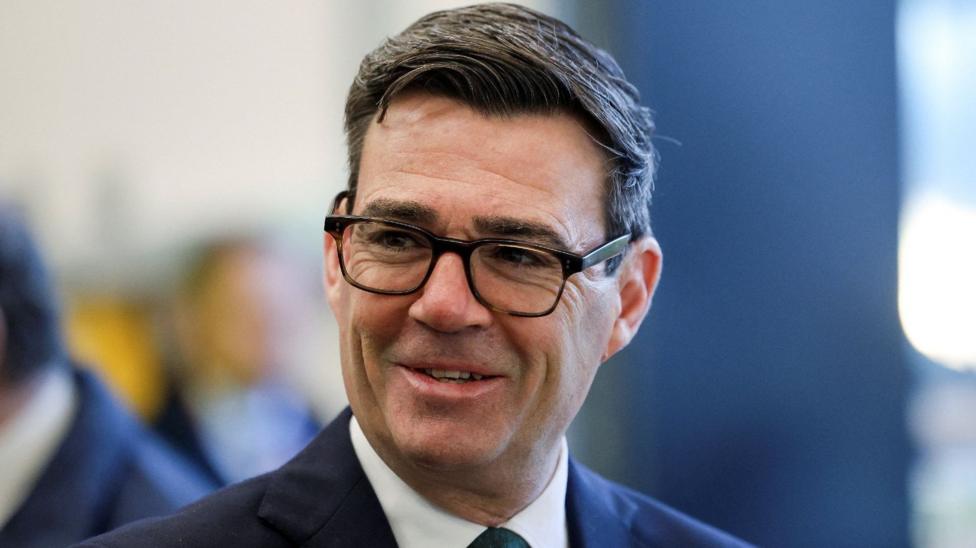 Image source, Reuters