The key facts
- LDPR deputy Kaplan Panesh proposed fixing at least 70% of in-class sessions on full-time programs
- The initiative also includes a ban on converting programs to online without students' written consent and a cost recalculation, a moratorium on cutting teaching positions, and publication of data on the ratio of learning formats
- Earlier, the Ministry of Science and Higher Education proposed mandatory prepayment for the first semester, which deputy Oleg Smolin criticized
An initiative by an LDPR deputy
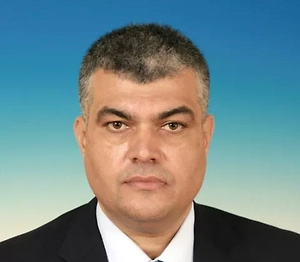
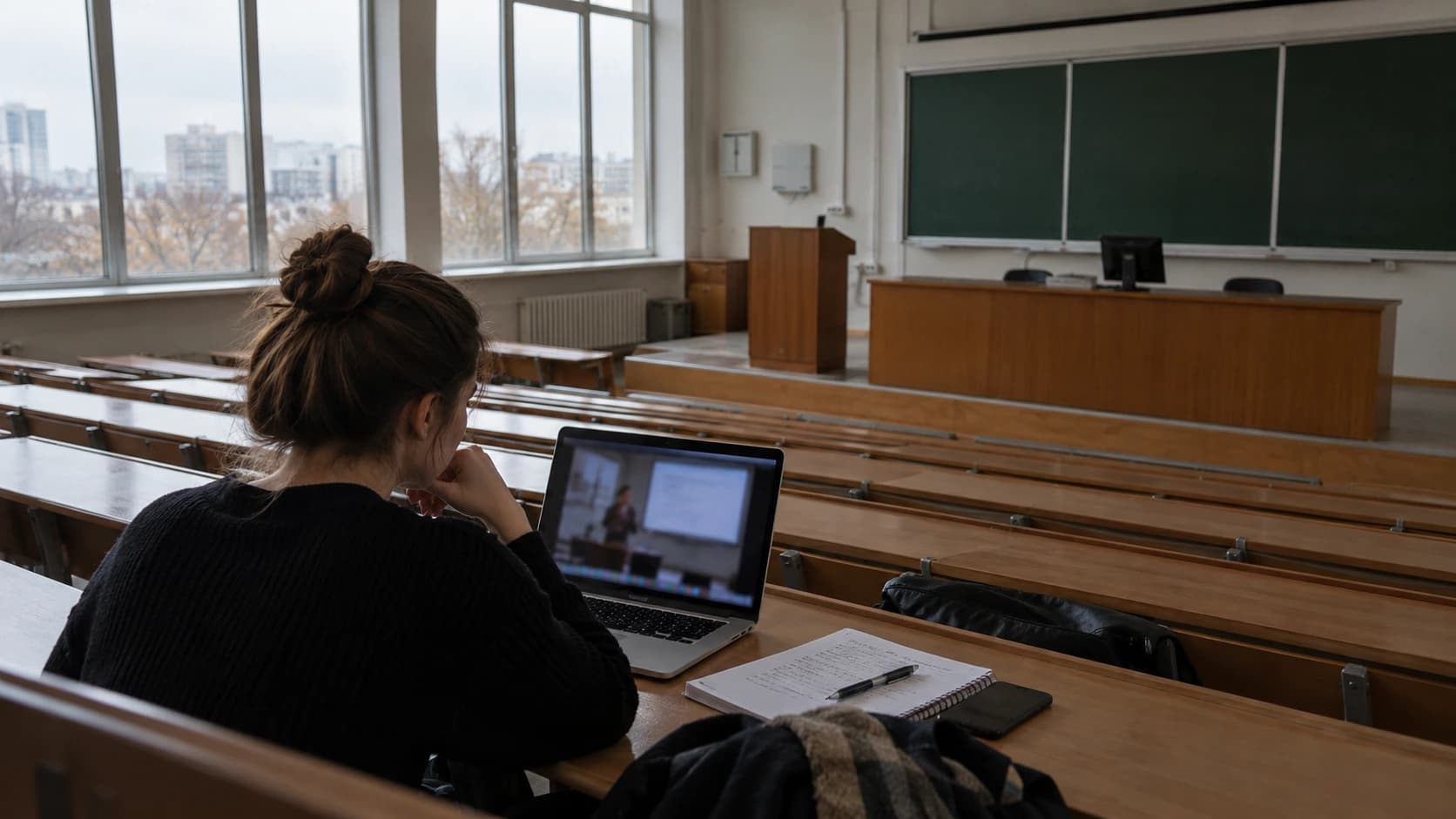
State Duma deputy from the LDPR Kaplan Panesh proposed legally obliging universities to hold at least 70% of classes in person on full-time programs in classrooms. According to Life.ru, the reason was complaints from students and parents who pay hundreds of thousands of rubles for tuition but, instead of lectures, receive links to video courses. According to the parliamentarian, at some universities in-person education is effectively replaced with independent viewing of recordings, while tests and exams are held remotely.
The essence of the proposals
The initiative includes several points. First — to fix a mandatory share of in-class sessions of at least 70% on full-time programs. Second — to prohibit fully converting such programs to a distance format without students' written consent and a recalculation of the cost: in the deputy's opinion, when in-person classes are replaced with online courses, the tuition price should decrease, and a unilateral change of format without compensation is a violation of consumer rights. Third — a moratorium on cutting teaching positions at state universities: Panesh claims that some publicly funded universities reduce the number of positions for the sake of a formal increase in the salaries of remaining staff, shifting the workload onto video recordings. Fourth — to oblige universities to publish on their official websites the actual ratio of in-class and distance classes, as well as information on the number of adjunct (part-time) instructors.
Rationale and context
In support of the initiative, the deputy cited Government Resolution No. 517 of May 6, 2026, which adjusted the rules for electronic learning, including providing for the use of an information exchange service linked to the MAX messenger and clarifying the procedure for remote assessment; the use of proctoring is regulated by universities' internal acts. “This is not a modernization of education, it is an imitation of it,” Panesh believes. He insists that state funding should not be accompanied by saving on instructors at the expense of the quality of training. Editorially, we note: the initiative is so far only a deputy's proposal, and the publication contains no data on its support or consideration as a bill. The context also includes another measure discussed earlier: Life.ru reported on the Ministry of Science and Higher Education's plans to require applicants to pay for the first semester before enrollment, in order to prevent reserving places at several universities, with the possibility of using education loans and maternity capital. Deputy Oleg Smolin criticized this idea, pointing out that a one-time payment could create difficulties for families with modest incomes, for whom paying in installments is more convenient.
Why it matters
The issue directly affects fee-paying students and their families: according to the deputy, people pay for the in-person format but receive lecture recordings without any recalculation of the cost. If the proposals are adopted, in practice this would mean a legally fixed share of in-person classes, a lower price when the format is switched to online, and public reporting by universities on the actual ratio of learning formats. For now, however, this is only a parliamentarian's initiative, and its fate in the legislative process remains unknown.