The key facts
- The president said that viewers have not abandoned cinema, but national films do not meet their demands
- The president stated that audiences have not abandoned cinema, but national films do not meet their demands
- Film production funding grew from 10 billion soums in 2016 to 218 billion soums in 2026
- One director could be assigned up to six projects, one author up to seven; almost half of the orders went to state studios
- One director could be assigned up to six projects, one author up to seven; nearly half of the commissions went to state studios
Meeting at Uzbekfilm and assessment of achievements
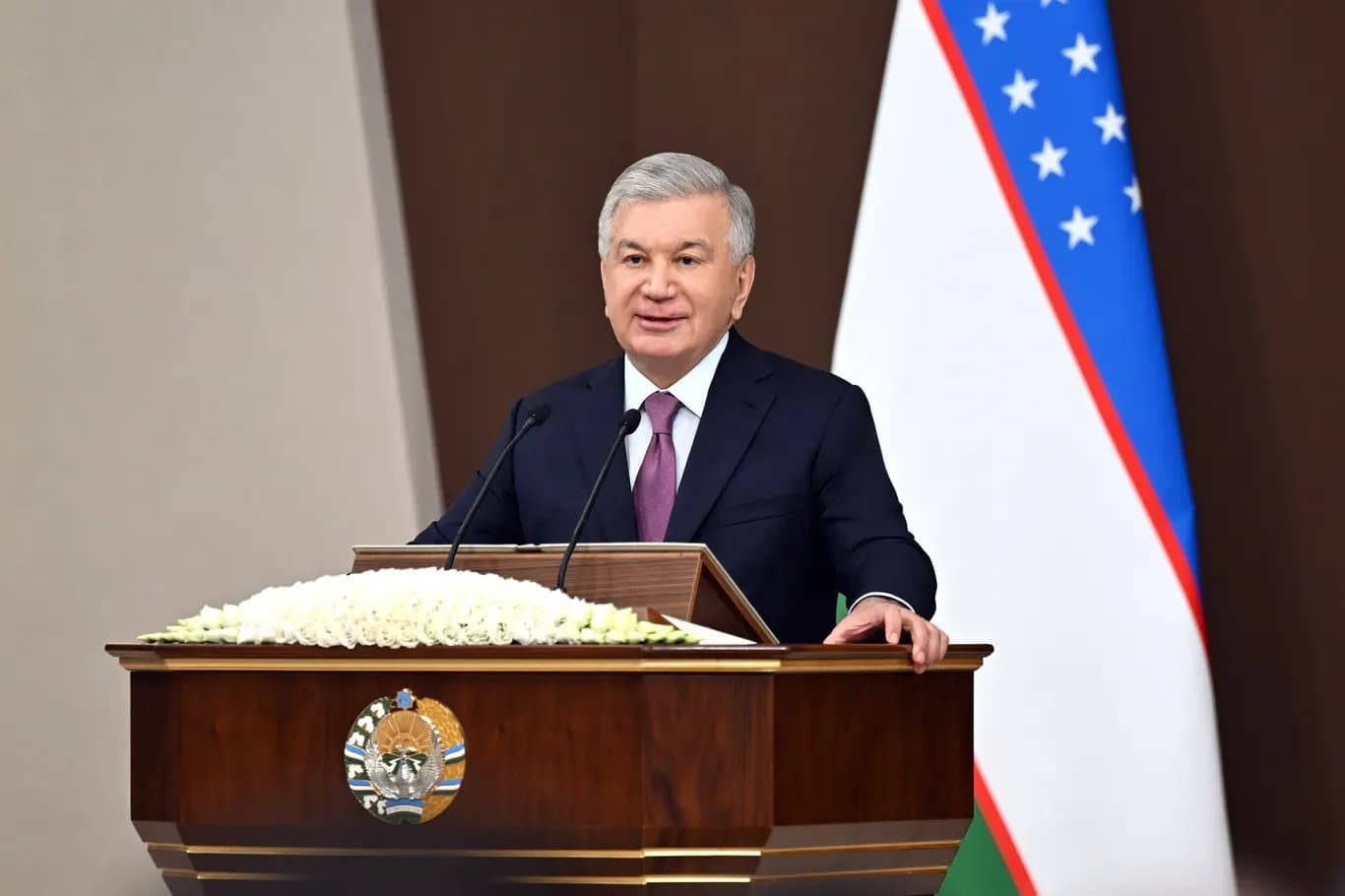
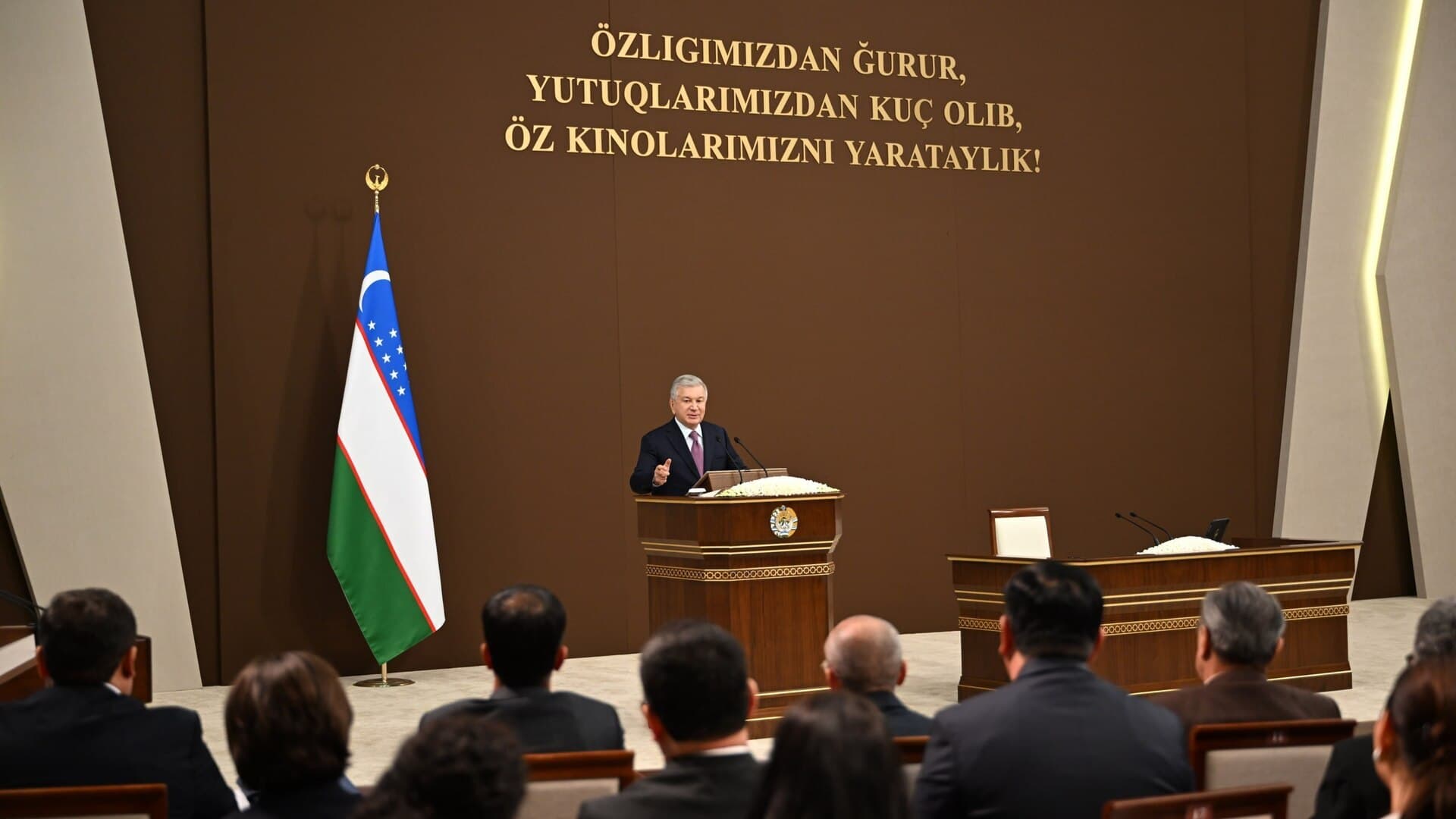
President Shavkat Mirziyoyev held a meeting with film industry figures at the Uzbekfilm film studio, the head of state's press secretary Sherzod Asadov reported. The president noted measures taken to improve the industry over the past decade: two decrees and 8 resolutions have been adopted, and the film studio has undergone a complete reconstruction. Whereas in 2016 the budget allocated 10 billion soums for film production, this year it is 218 billion soums; thanks to the new measures, dozens of private studios have entered the market.
Historical films and recognition in Tashkent
The head of state highlighted historical films made in the new era: took place in Tashkent for the first time; actress Gulchehra Jamilova, who took part in the meeting, received the Meridian award. At the same time, the president stressed that much remains to be done to bring national cinema to a new level.
“The viewer has not abandoned cinema”
The president disagreed with the view that the development of social media has stopped people from going to cinemas: halls showing foreign films are filled with audiences. “This means the viewer has not abandoned cinema or going to the movies — only their tastes and expectations have changed. Do our national films meet these demands? Unfortunately, no!” he said. He named the lack of a developed distribution system — from film production to delivering it to the viewer — as one of the main reasons. Also, according to the president, the opinions of professional film critics are not given enough consideration, even though objective analysis gives creators the opportunity to see their shortcomings and grow.
Problems of state orders and overburdening of creators
The president pointed to problems in the system of state orders and procurement when financing film projects: the outdated “state order” model does not meet the requirements of the modern film industry. One director could be assigned up to six projects at once, and one author up to seven, which makes thorough work on each piece difficult. Almost half of the orders went to state studios, which limited fair competition for private creators. As a result, instead of creating a strong script and a quality film, the main criterion became completing the assignment as quickly as possible. Mirziyoyev stressed that a creator's work should be measured by the filmthat makes the viewer think deeply and leaves a mark on their heart. He also noted that a script can be enriched during filming and creative decisions can change, so purchasing a work of art according to a technical specification, like an ordinary commodity or construction project, is wrong.
Cinema as “soft power”
The head of state emphasized the importance of cinema as a tool of “soft power” capable of raising the country's standing in the world: showcasing national culture, history and heroes expands the country's influence and its “voice” on the world stage. According to him, the idea of O’Z is expressed in cinema as “knowing yourself, tell the world your story in your own voice.” He identified priority themes for films — “the initiative of entrepreneurs, the creativity of builders, the dreams and searches of young people” — and promised that the state will create suitable conditions, support measures and an atmosphere of creative freedom for film professionals.
Why this matters
The president's statement sets the framework for upcoming changes in the industry: the current model of state commissions and film procurement based on technical specifications is being called into question, as is the distribution of orders, under which nearly half went to state studios. For private studios and creators, this is a signal of a possible revision of competition conditions, and for audiences — a commitment to the quality of national films. However, no specific decisions have been named in the publications so far — only the problems have been outlined, and it remains unknown what regulatory changes will follow.