The key facts
- The Polish Air Force has 47 F-16s and about 40 trained pilots, while at least 70 are needed (Rzeczpospolita)
- Training a new F-16 pilot takes about two years; some experienced pilots have been transferred to the F-35
- Poland's military spending in 2026 is expected to reach about 4.8% of GDP
Pilot shortage amid a growing fleet
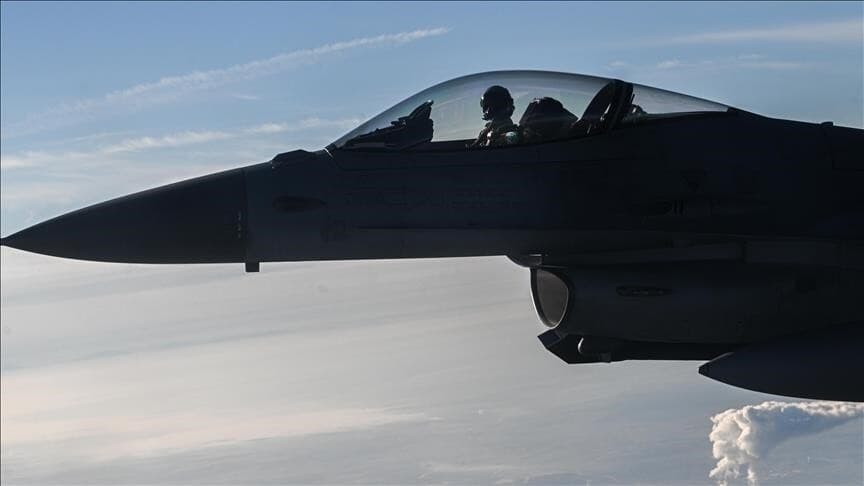
The rapid expansion of Poland's armed forces has run into a personnel constraint: the country lacks trained pilots to make full use of its F-16 fighter fleet. As the newspaper Rzeczpospolita reported on Monday, the Polish Air Force has 47 F-16 aircraft but only about 40 trained pilots, while at least 70 are needed to operate the fleet effectively. The figures are unofficial: the Ministry of Defense classifies information on the number of trained pilots and instructors as secret.
Why the problem cannot be solved quickly
Training a new F-16 pilot takes about two years, so the shortage cannot be eliminated in a short time. According to Rzeczpospolita, last year only a small number of pilots graduated from the military aviation academy in Dęblin. The situation was worsened by the transfer of some experienced F-16 pilots to the incoming F-35 fleet.
Context of a sweeping modernization
Warsaw sharply increased defense spending after Russia's full-scale invasion of neighboring Ukraine in 2022; in 2026, military expenditure is expected to reach about 4.8% of GDP. Under its modernization program, Poland has purchased or ordered American F-35 fighters, Abrams tanks, AH-64E Apache attack helicopters, Patriot air defense systems and HIMARS rocket systems. In August 2025, the country also signed a $3.8 billion (€3.39 billion) agreement to upgrade its F-16 fleet to the Viper standard — with improved radars, electronic warfare capabilities, communications, and compatibility with the F-35 and other new weapons systems.
Personnel lagging behind procurement
The pilot shortage indicates that personnel capacity and the training system may not be keeping pace with equipment purchases, complicating the transformation of one of Europe's fastest military buildups into real combat capability. According to Rzeczpospolita, a similar problem may arise with the planned AH-64E Apache helicopter fleet, for which the armed forces may ultimately need 400 pilots. The editorial notes that the pilot numbers are unofficial and the Ministry of Defense classifies this information, so the exact scale of the shortage cannot be confirmed.
Why it matters
The issue concerns not only Poland but European security as a whole: it shows that growing defense budgets and equipment purchases alone do not guarantee combat capability without trained personnel. The facts presented directly indicate that the bottleneck of Poland's modernization program is personnel and training infrastructure — the two-year pilot training cycle and the academy's small output in Dęblin limit the pace of fielding both the F-16 fleet and the future F-35s and Apaches.