The key facts
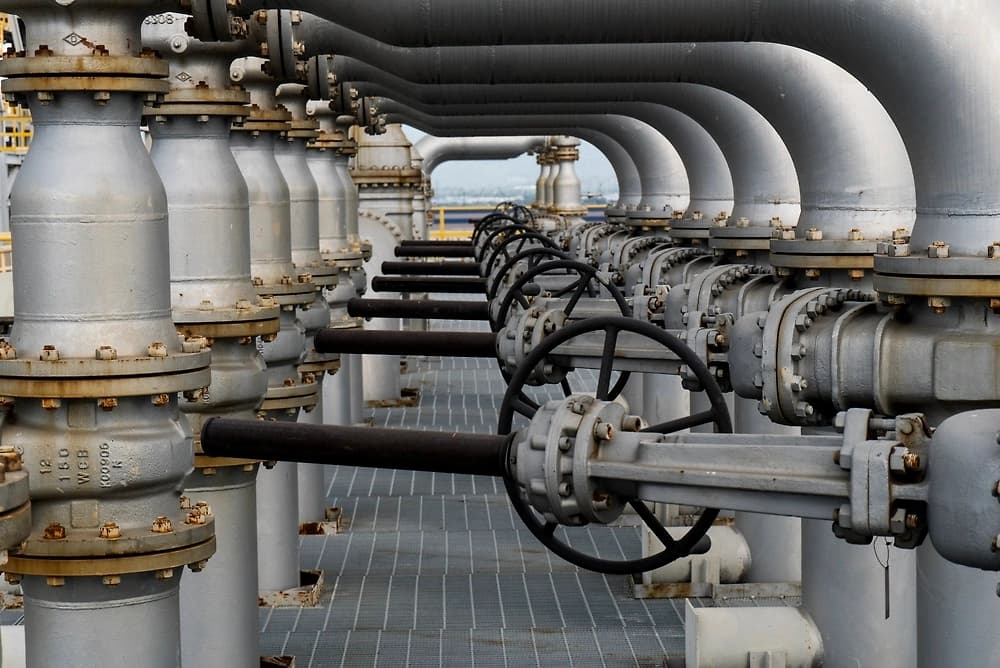
- Peskov named conditions for discussing gas supplies to the EU: interest from European countries and spare volumes available to Russian exporters.
- Part of the gas previously intended for Europe is now being supplied to other buyers.
- The EU is preparing a ban on Russian LNG imports under long-term contracts from January 1, 2027.
Conditions for the return of gas to Europe
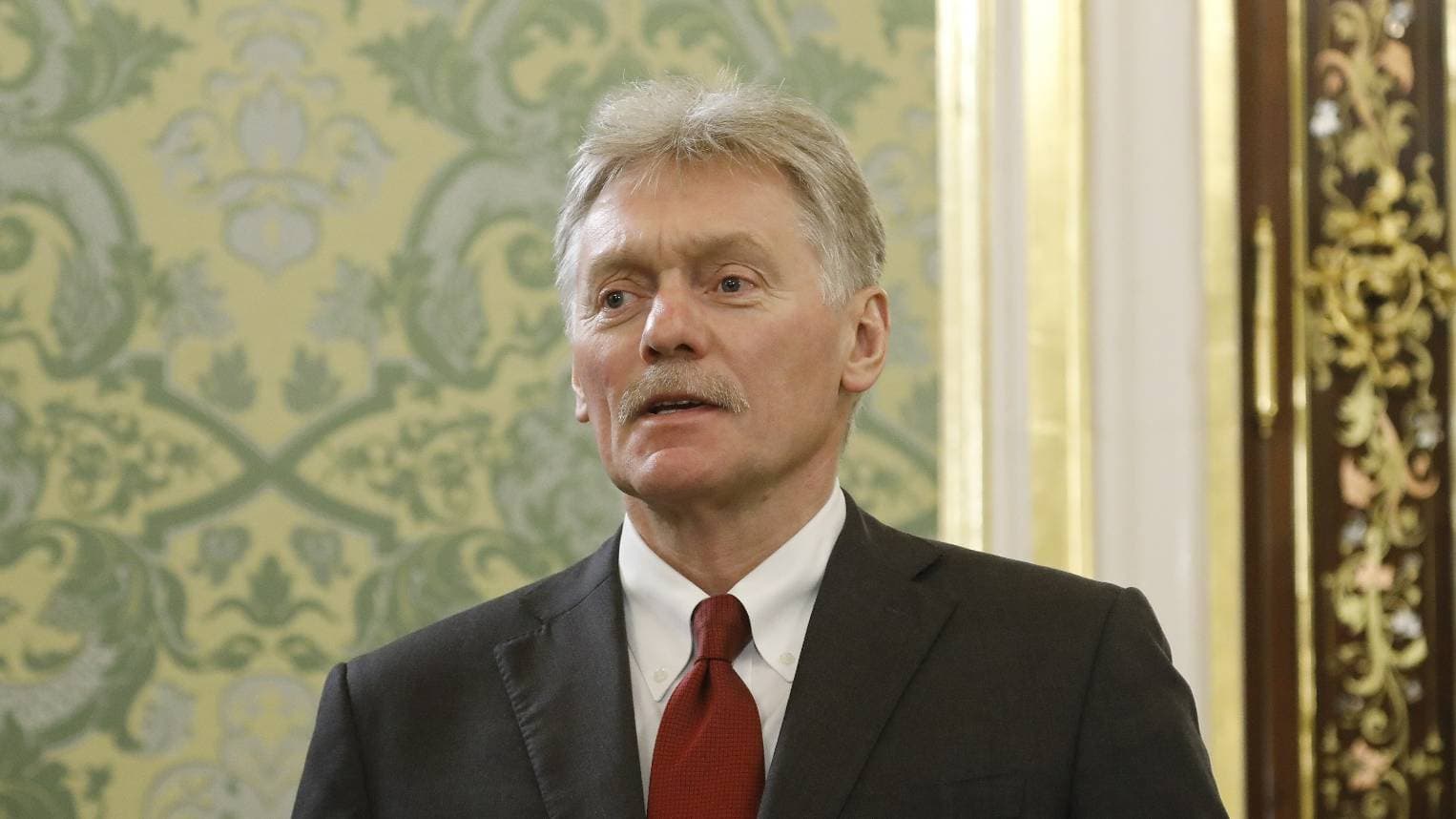
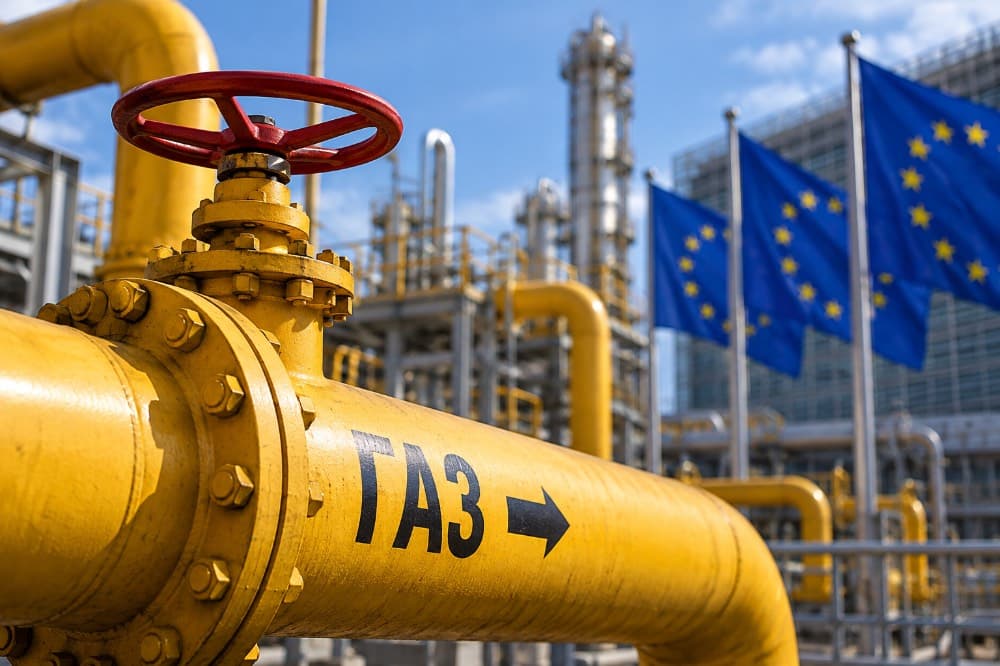
Russia is ready to return to discussions on gas supplies to Europe if two conditions are met: European countries must show interest in purchases, and Russian exporters must have spare volumes of fuel available. This was stated by Russian presidential press secretary Dmitry Peskov in an interview with RIA Novosti (as reported by Life.ru).
Part of the volumes has already been allocated
Peskov recalled that after European purchases declined, Moscow actively developed alternative export destinations, and part of the gas previously intended for Europe is now being supplied to other buyers. According to him, European countries' desire alone to resume purchases is not enough: a significant share of the volumes has already been allocated to other markets.
Putin's statements and the EU's position
The day before, Russian President Vladimir Putin said that European countries continue to receive significant volumes of Russian energy resources despite plans to abandon them. According to him, Russian liquefied natural gas accounts for about 20% of the European market. He also recalled that Russia has never refused to supply raw materials to Europe.
Sanctions backdrop
At the same time, the European Union is preparing to further restrict supplies of Russian fuel: a ban on LNG imports under long-term contracts is to take effect on January 1, 2027. Earlier, Life.ru reported that the EU intends to keep sanctions on Russian energy resources until the conflict in Ukraine is over. European Commission President Ursula von der Leyen stressed that Brussels does not intend to change its position even after the easing of restrictions by the United States and will continue to reduce its dependence on Russian oil and gas.
Significance of the situation
The statements of the two sides highlight a contradiction: Moscow signals readiness to return to supplies under certain conditions, while Brussels, according to sources, continues its course of abandoning Russian energy resources. For European consumers, this means that the question of resuming purchases depends not only on political decisions but also on the actual availability of spare volumes, which have already been partially redirected to other markets. In practical terms, the nearest recorded point of change is the entry into force of the EU ban on LNG imports under long-term contracts on January 1, 2027.