The key facts
- Putin called accusations that Russia provoked protests in Europe 'a clear exaggeration' and expressed surprise at such statements.
- According to Putin, European leaders' first reaction was to blame the US; the accusations were then 'switched' to Russia.
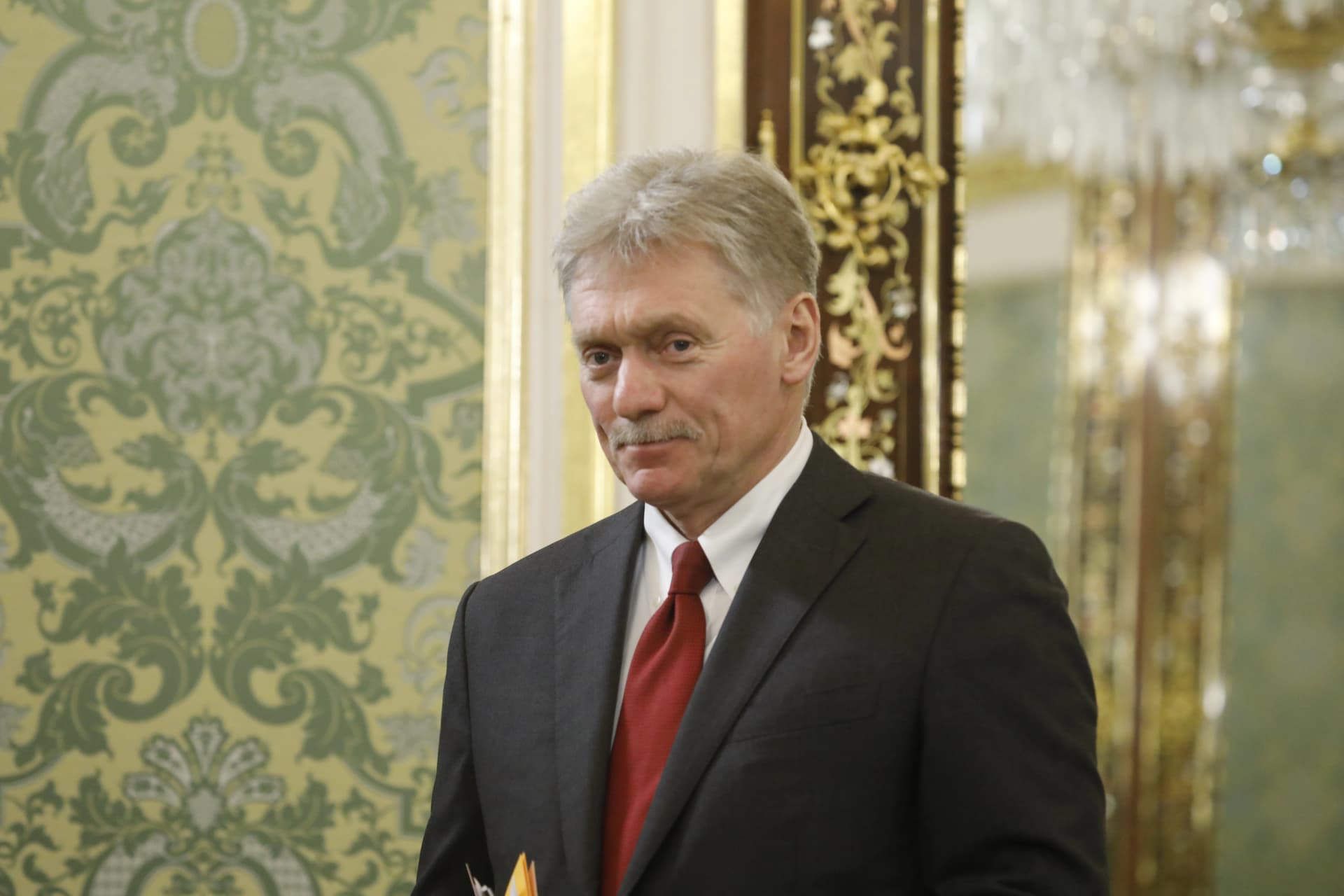
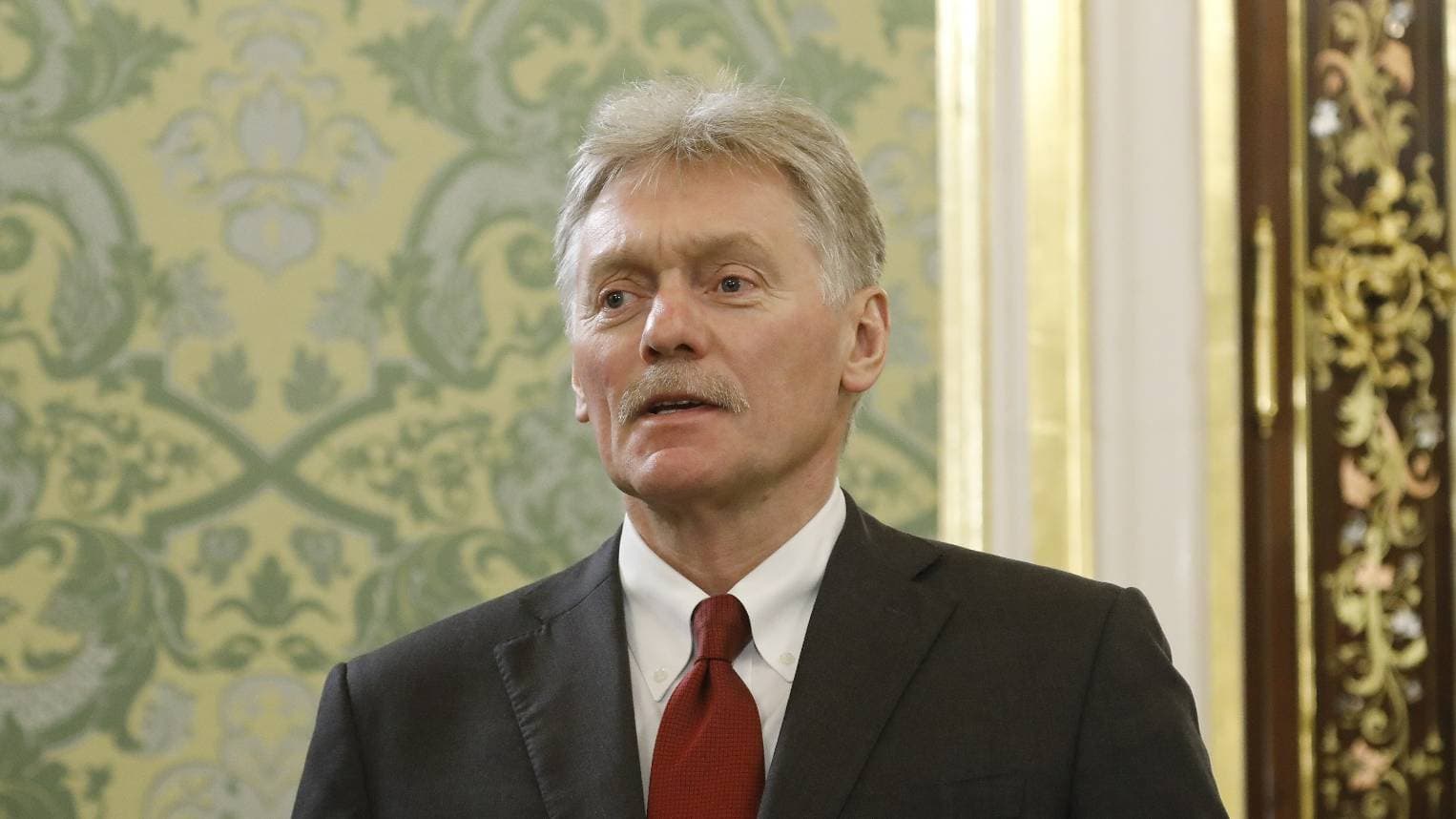
- Dmitry Peskov earlier called the accusations absurd; the trigger was a comment by Albanian Prime Minister Edi Rama.
Putin's statement
Russian President Vladimir Putin called attempts to link Moscow to mass protests and unrest in major European cities 'a clear exaggeration.' He said this in an interview with Vesti news agency journalist Pavel Zarubin, published on October 25, 2026. 'My first reaction, when I saw it, was surprise. Because, of all things, saying that we are provoking mass demonstrations in major European cities is a really clear exaggeration,' Life.ru quotes him as saying. In the Russian leader's view, the exaggeration is obvious to the residents of European countries themselves.
The US was blamed first
According to the Anadolu agency, citing the same interview, Putin noted that the first reaction in Europe was not anti-Russian but anti-American statements: in his words, events in Europe were immediately linked to the activities of the current US administration and its support for right-wing parties and movements. He called this 'strange and completely unexpected,' since he did not expect European leaders to criticize 'their main ally and protector, so to speak, in the military sense, across the ocean.' Then, according to Putin, the accusations were 'switched' to Russia, which he took calmly: 'Russia has always been blamed for all mortal sins.' He also said that such accusations point to 'the weakness and inability of some European leaders to take responsibility for what is happening': instead of analyzing the causes of what is going on, responsibility is shifted onto others — first onto the US, now onto Russia.
Peskov's comment and the context of the protests
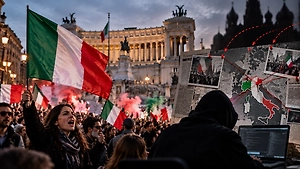
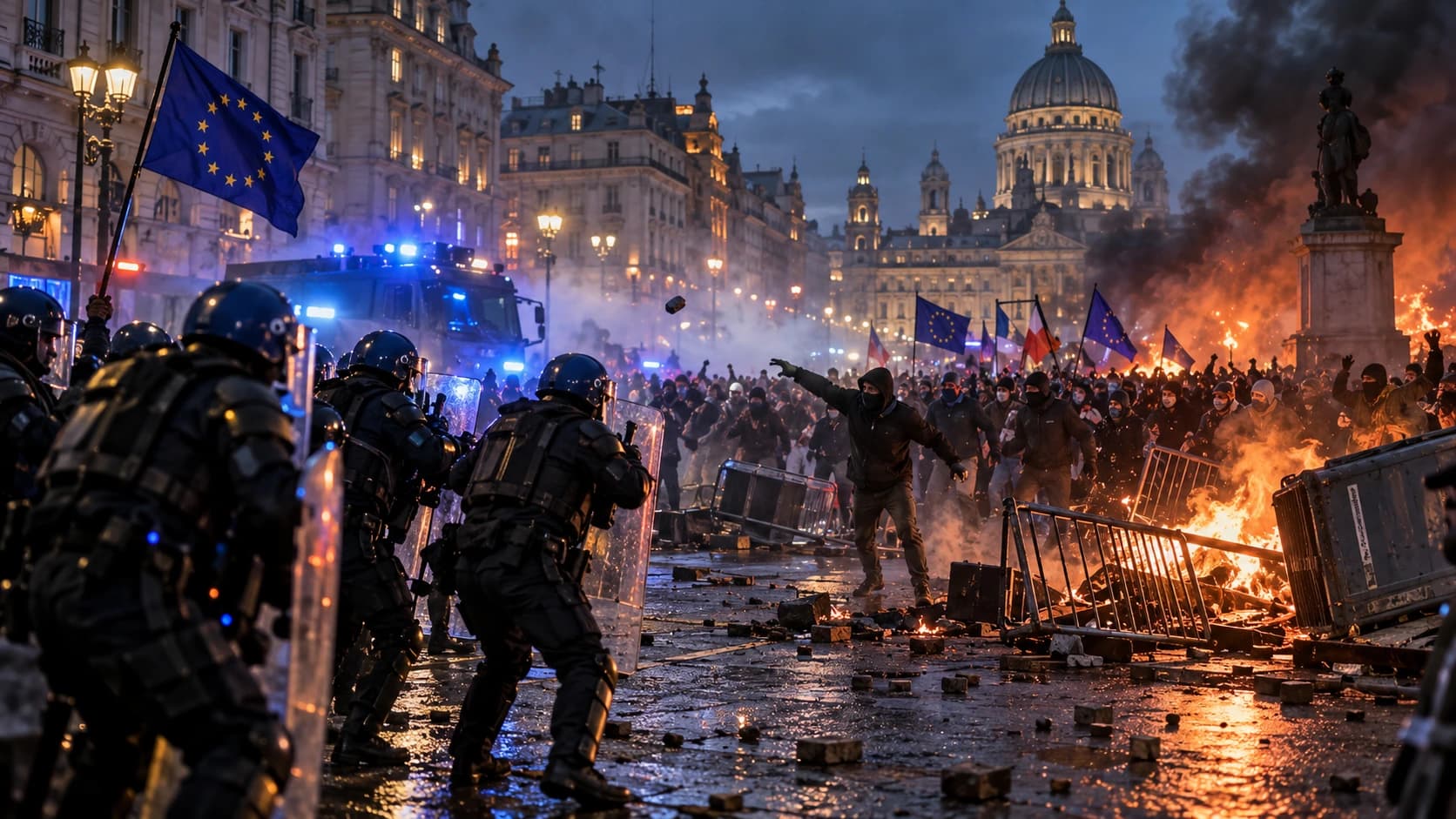
Earlier, on October 19, Russian presidential press secretary Dmitry Peskov also called accusations of Russia's involvement in the European unrest absurd. In his words, such statements are no longer taken seriously even in Europe itself. The comment was prompted by accusations from Albanian Prime Minister Edi Rama, who linked the protests in his country to alleged foreign interference. The backdrop for these statements is the nationwide student protests in France that have been going on for several weeks: on October 21, at a conference organized by the OECD, French Foreign Minister Jean-Noël Barrot accused the protesters of using 'hostile narratives' of Russia, China, Iran and the MAGA community. US President Donald Trump, for his part, blamed the unrest on mass migration.
Why this matters
The exchange of mutual accusations between Moscow, European capitals and Washington is taking place against the backdrop of the protracted protests in France, and the rhetoric around a 'foreign trail' directly affects how the authorities in these countries explain the internal crisis. For readers, this means that the causes of the protests remain a matter of dispute: the Russian side denies involvement, the French minister points to 'hostile narratives,' and Trump points to migration. In practical terms, this is a signal of an ongoing escalation of diplomatic rhetoric that may complicate contacts between the countries involved.