The key facts
- The mission involves SLS, SpaceX's Starship, and Blue Origin's New Glenn, all planned to launch from Florida spaceports
- Artemis III crew: NASA astronauts Randy Bresnik, Andre Douglas, and Frank Rubio, plus ESA representative Luca Parmitano
- Flight plan: New Glenn places the Blue Moon lander into low Earth orbit, then SLS launches Orion with the crew
Test plan presented in Florida
At a press conference at the Kennedy Space Center in Florida, NASA representatives outlined the stages of the upcoming flight campaign. Artemida program manager Jeremy Parsons said the process could become one of the most challenging flight campaignsthe agency has ever conducted. The mission involves NASA's Space Launch System (SLS) rocket, SpaceX's Starship system, and Blue Origin's New Glenn rocket, all of which are to be launched from Florida spaceports.
Flight plan: Blue Moon first, then the crew
According to the plan, the New Glenn rocket will first place the Blue Moon lander into low Earth orbit. The SLS rocket will then launch the Orion spacecraft with the Artemis III crew. The crew includes NASA astronauts Randy Bresnik, Andre Douglas, and Frank Rubio, as well as European Space Agency representative Luca Parmitano. SLS will first place Orion into an elliptical orbit with an altitude of roughly 29 to 1,806 kilometers, after which the spacecraft will use its own engines to move into an orbit of about 555 kilometers. At this stage, particular attention is paid to thermal control: since Orion was designed for deep-space flights, maintaining its thermal balance in low Earth orbit proves to be a more challenging task.
System checks and docking with Starship
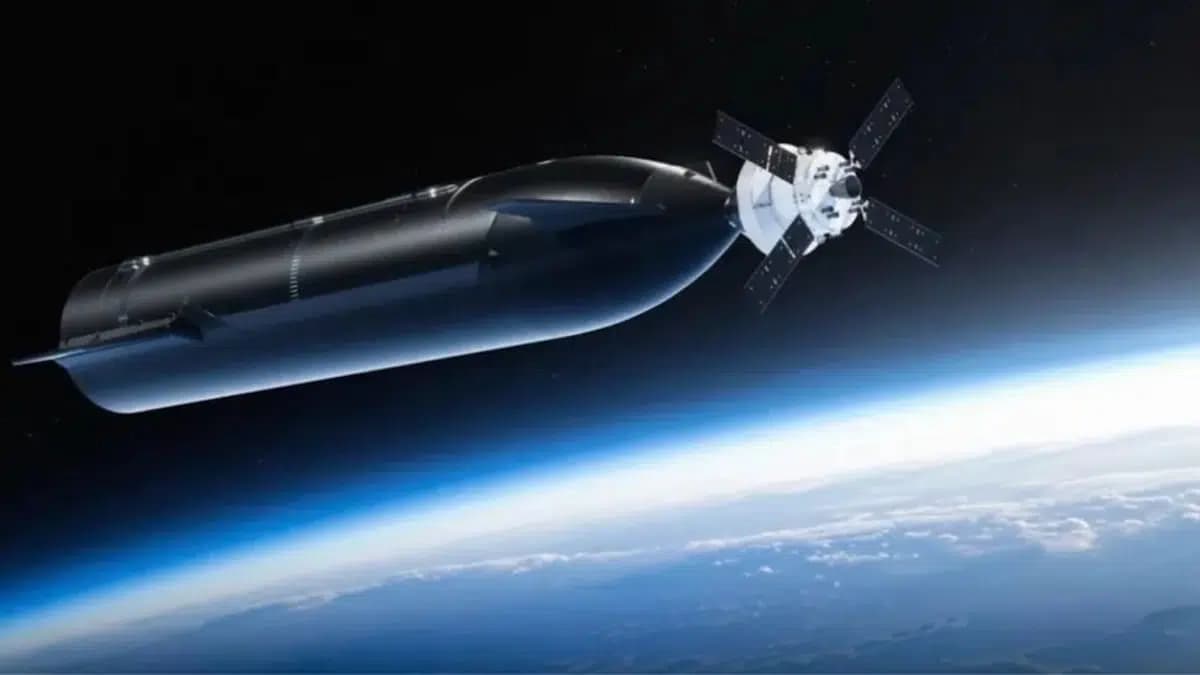
During the first two days of flight, the crew will check Orion and its systems. On the third day, the spacecraft is expected to meet and dock with Blue Moon at an altitude of approximately 439 kilometers. Over the following two days, the astronauts will open the hatch and transfer to the lander, where they will test temperature control, life support, and internal environment monitoring systems. It will also be verified whether the vehicle can maintain the required pressure in the pressurized compartment. The crew will practice emergency procedures and operating two docked spacecraft; the readiness of mission control centers for such operations will also be assessed. After the tests with Blue Moon are completed, around the sixth day of the mission, Starship will be launched, with a special docking adapter installed in its nose section. According to the publication, docking with Starship will last two hours.
Why this matters
This campaign is effectively a dress rehearsal for the return of American astronauts to the Moon: its results will determine the readiness of three different rocket systems and two spacecraft for the Artemis III mission. For the crew, which includes both NASA astronauts and an ESA representative, key operations are being practiced — docking, transfer to the lander, and emergency procedures. In practical terms, this means that the schedule and configuration of the future lunar mission will depend directly on how these tests go.